
빠른 제작과 다양한 마감 옵션을 제공하는 박물관 품질의 지클레이 또는 캔버스 프린트. ( 손으로 그린 그림 구매 디지털 이미지로 전환)
작품의 원본 비율을 유지하는 미리 설정된 크기 중에서 선택하세요.

특정 프레임이나 공간에 맞춰 직접 치수를 입력하실 수 있습니다. 선택하신 사이즈가 원본 이미지의 비율과 일치하지 않을 경우, 작품을 크롭(자르기)하거나 이미지를 대칭 또는 단색 채우기로 확장하여 제작합니다. 제작 시작 전, 최종 확인을 위해 디지털 목업이 전송됩니다.
화면상의 미리보기는 실제 크롭이나 확장 상태를 반영하지 않으므로, 최종 구도는 오직 목업을 통해서만 정확하게 확인하실 수 있습니다.
맞춤 사이즈 제작도 가능하지만, 원본 비율을 유지하기 위해서는 사전 정의된 목록에서 치수를 선택하시는 것을 권장합니다.

Waste Paper Bags
복제본 크기
El Anatsui’s “Waste Paper Bags,” created between 2004 and 2010, is a breathtaking installation that transforms discarded materials into a shimmering spectacle. This work exemplifies the artist’s signature style of repurposing everyday objects—in this case, waste paper bags—into large-scale sculptures that challenge perceptions of value, consumption, and cultural identity. The photograph captures the artwork within a modern gallery setting, showcasing its impressive scale and textural complexity.
“Waste Paper Bags” firmly resides within the realm of contemporary art, specifically installation art and what is often referred to as "Junk Art" or “Recycled Art.” Anatsui’s technique involves meticulously stitching together thousands of aluminum printing plates (often mistaken for paper bags in initial observation) using copper wire. This process creates a fluid, textile-like surface that drapes and folds, resembling woven fabric more than the rigid material from which it is constructed. The artist draws inspiration from traditional Ghanaian kente cloth weaving techniques, imbuing his work with a sense of cultural heritage while simultaneously pushing the boundaries of artistic expression. The resulting forms are amorphous and irregular, defying conventional sculptural norms.
The choice of waste paper bags as the primary material carries profound symbolic weight. It serves as a powerful commentary on consumer culture, environmental concerns, and the sheer volume of discarded materials in modern society. Anatsui’s transformation of these seemingly worthless objects into something beautiful and monumental highlights the potential for beauty to emerge from unexpected sources. The shimmering quality of the aluminum, reflecting light in captivating ways, evokes a sense of awe and wonder. The scale of the installation is deliberately overwhelming, prompting viewers to contemplate their own relationship with consumption and waste. It’s not merely about recycling; it's about reimagining value and finding artistry within the discarded.
El Anatsui (born 1944) is a Ghanaian sculptor renowned for his innovative use of recycled materials, particularly aluminum bottle caps. His work gained international recognition in the early 2000s and has been exhibited in major museums worldwide. Anatsui’s practice often explores themes of trade, migration, and cultural exchange, reflecting his own experiences living and working between Ghana and Nigeria. “Waste Paper Bags,” like much of his oeuvre, challenges traditional notions of sculpture by embracing fluidity, impermanence, and the inherent beauty of repurposed materials. His inclusion in the 2023 Time 100 list further solidifies his position as a globally influential artist.


1944 - , Ghana
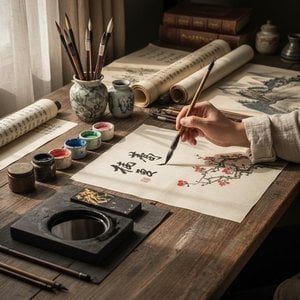
Embark on a sophisticated exploration of ink wash painting and Sumi-e. Uncover the profound historical lineages, Zen philosophies, and technical mastery behind this timeless medium in our authoritative guide for fine art enthusiasts.

Elevate your artistry with our expert guide to acrylic on paper. Master advanced techniques in texture, color theory, and layering to create professional-grade modern masterpieces. Perfect for art students seeking technical depth and creative excellence.

Elevate your artistic practice with our expert guide to mastering mixed media art. Discover professional techniques for layering, material integration, and creating structural depth to transform your creative vision into sophisticated, multi-dimensional masterpieces.


 미리보기
미리보기
 공유하기
공유하기 공유하기
공유하기
 상세 정보
상세 정보

 다운로드
다운로드
 유사 작품
유사 작품 X-레이
X-레이 슬라이드 쇼
 통계 정보
통계 정보

 더 보기
더 보기






































 유리 옵션은 110cm 미만 크기에서만 선택 가능합니다.


