빠른 제작과 다양한 마감 옵션을 제공하는 박물관 품질의 지클레이 또는 캔버스 프린트. ( 손으로 그린 그림 구매 디지털 이미지로 전환)





























작품의 원본 비율을 유지하는 미리 설정된 크기 중에서 선택하세요.

특정 프레임이나 공간에 맞춰 직접 치수를 입력하실 수 있습니다. 선택하신 사이즈가 원본 이미지의 비율과 일치하지 않을 경우, 작품을 크롭(자르기)하거나 이미지를 대칭 또는 단색 채우기로 확장하여 제작합니다. 제작 시작 전, 최종 확인을 위해 디지털 목업이 전송됩니다.
화면상의 미리보기는 실제 크롭이나 확장 상태를 반영하지 않으므로, 최종 구도는 오직 목업을 통해서만 정확하게 확인하실 수 있습니다.
맞춤 사이즈 제작도 가능하지만, 원본 비율을 유지하기 위해서는 사전 정의된 목록에서 치수를 선택하시는 것을 권장합니다.

Vorstadt
복제본 크기
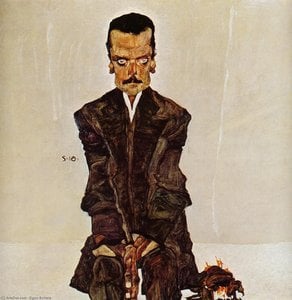
Egon Schiele’s 1914 painting, “Vorstadt” (meaning “suburb”), is more than just a depiction of a provincial town; it’s a raw and unsettling exploration of human isolation within the burgeoning anxieties of early 20th-century modernity. Captured in stark black and white, the artwork presents a scene teeming with activity – parked automobiles, a delivery truck, and figures moving through the streets – yet beneath this veneer of bustle lies an undeniable sense of unease. The composition itself is deliberately fragmented, with figures rendered as almost skeletal forms, emphasizing their vulnerability and detachment. This technique, characteristic of Schiele’s mature style, reflects his profound interest in depicting the human condition stripped bare, confronting viewers with uncomfortable truths about mortality and psychological distress.
Schiele's mastery lies primarily in his meticulous use of line. Executed with charcoal and possibly pastel on paper (though the exact medium remains debated), each stroke is deliberate, forceful, and imbued with a remarkable sense of energy. The lines aren’t merely outlines; they are expressive marks that convey emotion and movement. Notice how the sharp angles of the buildings contrast with the softer curves of the figures, creating a dynamic tension within the composition. The artist's technique emphasizes texture through varying line weights and densities, adding to the overall sense of unease and depth. This meticulous approach is typical of Schiele’s process, reflecting his dedication to capturing not just what he saw but how he *felt* about it.
"Vorstadt" was created during a pivotal moment in Viennese history. The city was undergoing rapid modernization, grappling with social unrest, and experiencing a surge of artistic innovation—particularly within the Expressionist movement. Schiele’s work reflects this atmosphere of uncertainty and disillusionment. His personal struggles – exacerbated by his father's illness and subsequent death – undoubtedly informed his artistic vision, contributing to the melancholic and introspective quality of his paintings. The presence of the automobiles, a symbol of technological advancement, ironically underscores the potential for alienation and detachment within this new era.
The umbrella, subtly included in the scene, adds another layer of interpretation. It could represent protection from an impending storm—both literal and metaphorical—or perhaps a futile attempt to shield oneself from the harsh realities of life. The figures themselves are rendered with a haunting vulnerability, their postures suggesting isolation and introspection. “Vorstadt” is not a cheerful depiction of community; it’s a powerful meditation on loneliness, anxiety, and the precariousness of human existence – themes that resonate deeply within Schiele's oeuvre and continue to captivate viewers today. The painting evokes a profound sense of melancholy and invites contemplation about the darker aspects of the human condition.


1890 - 1918 , 오스트리아 크로아티아

Elevate your most cherished memories with WahooArt’s bespoke service. We transform your personal photos into breathtaking, hand-painted black & white oil masterpieces. Experience museum-quality craftsmanship and timeless elegance for your private collection. Discover the art of legacy.

Explore the profound artistry of black and white photography. From historical mastery to the interplay of light and shadow, discover how monochrome captures timeless emotion and form through a sophisticated lens of art history.


 미리보기
미리보기
 공유하기
공유하기 공유하기
공유하기
 상세 정보
상세 정보

 다운로드
다운로드
 유사 작품
유사 작품 X-레이
X-레이 슬라이드 쇼
 통계 정보
통계 정보

 더 보기
더 보기









 유리 옵션은 110cm 미만 크기에서만 선택 가능합니다.