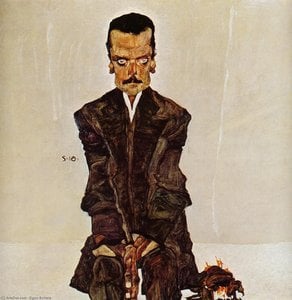
빠른 제작과 다양한 마감 옵션을 제공하는 박물관 품질의 지클레이 또는 캔버스 프린트. ( 손으로 그린 그림 구매 디지털 이미지로 전환)





























작품의 원본 비율을 유지하는 미리 설정된 크기 중에서 선택하세요.

특정 프레임이나 공간에 맞춰 직접 치수를 입력하실 수 있습니다. 선택하신 사이즈가 원본 이미지의 비율과 일치하지 않을 경우, 작품을 크롭(자르기)하거나 이미지를 대칭 또는 단색 채우기로 확장하여 제작합니다. 제작 시작 전, 최종 확인을 위해 디지털 목업이 전송됩니다.
화면상의 미리보기는 실제 크롭이나 확장 상태를 반영하지 않으므로, 최종 구도는 오직 목업을 통해서만 정확하게 확인하실 수 있습니다.
맞춤 사이즈 제작도 가능하지만, 원본 비율을 유지하기 위해서는 사전 정의된 목록에서 치수를 선택하시는 것을 권장합니다.

untitled (9682)
복제본 크기
Egon Schiele's "Untitled (9682)" stands as a haunting testament to the anxieties and eroticism that defined Expressionist art in its formative years. Painted in 1915, during the tumultuous backdrop of World War I, this striking nude portrait transcends mere depiction; it delves into the psychological complexities of human experience—a feat achieved through Schiele’s masterful manipulation of line and color. The image captures a woman reclining on her back, legs spread wide, presenting an arresting visual paradox: vulnerability juxtapioned with defiant confidence. As the viewer engages with this piece, they are not merely looking at a figure, but witnessing a profound psychological excavation that exposes the very ache of existence.
The Expressionist style of this work is instantly recognizable through Schiele's signature use of jagged, twisting lines that convey palpable tension and unease. Unlike the polished surfaces of Impressionism, Schiele prioritized conveying raw emotion above all else. He eschewed idealized beauty, opting instead for an unflinching realism that confronts viewers with uncomfortable truths about the human body and psyche. This deliberate distortion serves to amplify the emotional core of the painting—a feeling of profound isolation and yearning. The subject's posture, while relaxed in its sprawl, carries a nervous energy that seems to vibrate off the canvas, inviting us to witness the delicate balance between sensuality and existential dread.
Executed with meticulous care in charcoal and pastel on paper, the technique of "Untitled (9682)" lends itself beautifully to capturing the subtle nuances of light and shadow. Schiele’s painstaking attention to texture—particularly evident in the depiction of skin—creates an immersive experience for the viewer. The artist meticulously builds up layers of pastel pigment, blending them with delicate strokes to achieve a velvety finish that contrasts sharply with the rougher, more aggressive charcoal lines. This textural interplay reinforces the painting's emotional impact, mirroring the internal conflict between the softness of human intimacy and the harshness of reality.
For collectors and interior designers, this piece offers a profound sense of depth and character. The way the light catches the simulated textures of the pastel makes the figure appear almost tactile, as if she were emerging from the shadows of history herself. The use of red accents against the more muted tones provides a focal point that draws the eye across the expanse of the subject's form, making it a commanding presence in any curated space. It is a work that does not merely decorate a wall; it commands the atmosphere of a room, demanding contemplation and sparking dialogue.
To understand this work, one must consider the turbulent life of Egon Schiele himself. Born in 1890, his journey was marked by extraordinary artistic vision and profound personal hardship. The shadows of illness and loss that characterized his early years fueled an obsession with mortality and the fragility of existence—themes that are deeply embedded in the DNA of this portrait. In "Untitled (9682)," we see the intersection of Eros and Thanatos; the celebration of the living, breathing body intertwined with the underlying awareness of its eventual decay.
This piece serves as a window into the fever dream of early 20th-century Vienna, a city caught in a revolution of intellectual and psychological discovery. By bringing a high-quality reproduction of this masterpiece into a home or gallery, one invites that same spirit of rebellion and profound beauty. It is an ideal acquisition for those who appreciate art that challenges the status quo and seeks to capture the unvarnished pulse of the human soul, offering a timeless connection to the raw power of Expressionism.

1890 - 1918 , 오스트리아 크로아티아

Elevate your artistry with this definitive expert guide to mastering charcoal. Designed for art students, learn professional techniques for capturing profound depth, intricate textures, and dramatic shadows through advanced blending and chiaroscuro methods.

Master the nuances of Giclée printing with our expert guide. Discover how pigment-based inks and museum-grade substrates create fade-resistant, high-fidelity art reproductions designed for discerning collectors seeking unparalleled quality and longevity.

당신의 예술적 영감을 전 세계로 확장하세요. WahooArt는 재고 부담 없는 프리미엄 지클리(Giclée) 프린트 솔루션을 통해 인플루언서와 작가들에게 글로벌 비즈니스 기회를 제공합니다. 박물관급 품질의 파인 아트 프린팅과 투명한 물류 시스템으로 당신의 작품을 시대를 초월한 예술적 유산으로 완성해 드립니다.


 미리보기
미리보기
 공유하기
공유하기 공유하기
공유하기
 상세 정보
상세 정보

 다운로드
다운로드
 유사 작품
유사 작품 X-레이
X-레이 슬라이드 쇼
 통계 정보
통계 정보

 더 보기
더 보기









 유리 옵션은 110cm 미만 크기에서만 선택 가능합니다.