x


빠른 제작과 다양한 마감 옵션을 제공하는 박물관 품질의 지클레이 또는 캔버스 프린트. ( 손으로 그린 그림 구매 이미지 구매)





























작품의 원본 비율을 유지하는 미리 설정된 크기 중에서 선택하세요.

특정 프레임이나 공간에 맞춰 직접 치수를 입력하실 수 있습니다. 선택하신 사이즈가 원본 이미지의 비율과 일치하지 않을 경우, 작품을 크롭(자르기)하거나 이미지를 대칭 또는 단색 채우기로 확장하여 제작합니다. 제작 시작 전, 최종 확인을 위해 디지털 목업이 전송됩니다.
화면상의 미리보기는 실제 크롭이나 확장 상태를 반영하지 않으므로, 최종 구도는 오직 목업을 통해서만 정확하게 확인하실 수 있습니다.
맞춤 사이즈 제작도 가능하지만, 원본 비율을 유지하기 위해서는 사전 정의된 목록에서 치수를 선택하시는 것을 권장합니다.

untitled (56)
복제본 크기
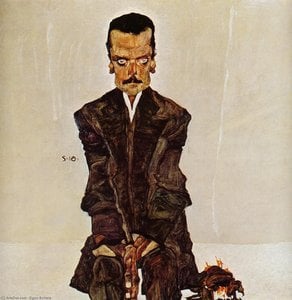
Egon Schiele's "Untitled (56)," a captivating portrait rendered with his signature raw intensity, stands as a poignant testament to the artist’s exploration of human vulnerability and the ever-present specter of mortality. Painted in 1918, just months before his untimely death at the height of World War I, this work embodies the anxieties and psychological complexities that defined Schiele's oeuvre. It’s not merely a depiction of a woman; it’s an embodiment of a moment suspended between life and oblivion, rendered with a startling directness that continues to resonate powerfully today.
The painting immediately draws the eye to its central figure – a young woman whose face is presented with remarkable clarity. Her gaze, direct and unwavering, seems to pierce through the canvas, inviting an intimate confrontation with the viewer. Schiele’s masterful use of line—bold, jagged, and often unsettling—dominates the composition, creating a sense of restless energy that vibrates throughout the image. The woman's elongated limbs and slightly distorted features contribute to this feeling of unease, suggesting a state of heightened awareness or perhaps even distress. Notice how the lines converge towards her face, emphasizing its importance within the overall structure.
The color palette is deliberately restrained, dominated by shades of yellow, blue, and red—a carefully considered combination that amplifies the painting’s emotional impact. The muted yellows create a sense of melancholy and fragility, while the blues evoke feelings of introspection and perhaps even sadness. The strategic placement of the reds – particularly in her dress – introduces an element of dramatic tension, hinting at passion, danger, or even violence. Schiele's use of color isn’t decorative; it’s deeply expressive, serving to amplify the psychological state of the subject.
To fully appreciate “Untitled (56),” one must understand Egon Schiele’s place within the broader context of early 20th-century Expressionism. Emerging from Vienna's vibrant artistic scene, Schiele rejected the prevailing academic traditions in favor of a more subjective and emotionally charged approach to artmaking. Influenced by artists like Edvard Munch and Vincent van Gogh, he sought to capture not just external reality but also the inner turmoil and psychological states of his subjects.
Schiele’s personal life was marked by profound loss and hardship. His father succumbed to syphilis when Egon was only fourteen, a tragedy that deeply affected him and fueled an obsession with themes of death, illness, and sexuality. The early deaths of his sister Elvira and his mother further contributed to the artist's sense of vulnerability and despair. These experiences profoundly shaped his artistic vision, informing his distinctive style characterized by distorted figures, unsettling gazes, and a palpable sense of anxiety.
Beyond its immediate visual impact, “Untitled (56)” is rich in symbolic meaning. The woman’s posture—standing before an undefined wall or building—suggests a state of isolation and contemplation. The lack of specific detail about her surroundings creates a sense of ambiguity, allowing the viewer to project their own interpretations onto the image. Some art historians have suggested that the ‘wall’ represents the boundaries between the self and the external world, highlighting the subject's struggle with identity and belonging.
Schiele frequently employed the portrait as a vehicle for exploring psychological themes. In “Untitled (56),” he doesn’t simply depict a woman; he presents a psychological landscape—a window into her inner thoughts and emotions. The directness of her gaze, combined with the unsettling distortions of her features, invites us to confront our own anxieties about mortality and the fragility of human existence.
WahooArt offers meticulously crafted hand-painted reproductions of “Untitled (56)” that faithfully capture the essence of this iconic work. Our skilled artists utilize traditional oil painting techniques to recreate Schiele's distinctive style, including his bold lines, expressive color palette, and masterful use of light and shadow. We pay close attention to every detail—from the subtle nuances of the woman’s expression to the texture of her dress—to ensure that our reproductions are as authentic as possible.
Whether you're a seasoned art collector or simply seeking a stunning piece of artwork for your home, a hand-painted reproduction of “Untitled (56)” is an exceptional choice. It’s not just a beautiful image; it’s a tangible connection to one of the most important and influential artists of the 20th century—a reminder of Schiele's profound insights into the human condition. Explore our high-resolution images and discover the perfect reproduction to bring this powerful work into your space.


1890 - 1918 , 오스트리아 크로아티아

에곤 시엘레 최고 걸작 25선을 만나보세요. 표현주의 화가 시엘레의 삶과 죽음, 불안을 담은 인물화 작품들을 감상하고 그 의미를 탐구합니다. WahooArt에서 명작 복제본으로 예술적인 공간을 완성하세요. 지금 바로 컬렉션을 확인하세요!

Explore the emotionally charged world of Egon Schiele (1890-1918). Discover his Expressionist masterpieces, psychological themes, and lasting impact on modern art. A comprehensive guide for collectors & enthusiasts.
뭉크, 키르히너 등 거장들의 작품으로 표현주의 미술의 정수를 만나보세요. 강렬한 색채와 감정적 깊이가 깃든 명작 10선을 통해 예술의 세계를 탐험하고, WahooArt에서 고품질 아트 프린트를 소장하세요. 지금 바로 온라인 컬렉션을 확인하세요!

Explore 10 Expressionist paintings that revolutionized art! Discover Munch, Kirchner & Kandinsky's iconic works. Find museum-quality reproductions and vibrant canvas prints to elevate your home decor on WahooArt.com.

Immerse yourself in golden light! Explore 10 famous paintings dominated by 'Chrome Yellow', from Van Gogh’s Sunflowers to Monet's Haystacks. Discover the stories behind these iconic Impressionist & Post-Impressionist masterpieces and find museum-quality art reproductions at WahooArt.com.


최신 미술 뉴스, 특별 혜택 및 인테리어 아이디어를 가장 먼저 만나보세요.
프로젝트에 대해 알려주시면 저희 미술 전문가들이 맞춤형 아트 제안 3가지를 전달해 드립니다.
당신만을 위한 맞춤형 옵션 3가지를 무료로 추천해 드립니다!


 미리보기
미리보기
 공유하기
공유하기 공유하기
공유하기
 상세 정보
상세 정보

 다운로드
다운로드
 유사 작품
유사 작품 X-레이
X-레이 슬라이드 쇼
 더 보기
더 보기









 유리 옵션은 110cm 미만 크기에서만 선택 가능합니다.