빠른 제작과 다양한 마감 옵션을 제공하는 박물관 품질의 지클레이 또는 캔버스 프린트. ( 손으로 그린 그림 구매 디지털 이미지로 전환)





























작품의 원본 비율을 유지하는 미리 설정된 크기 중에서 선택하세요.

특정 프레임이나 공간에 맞춰 직접 치수를 입력하실 수 있습니다. 선택하신 사이즈가 원본 이미지의 비율과 일치하지 않을 경우, 작품을 크롭(자르기)하거나 이미지를 대칭 또는 단색 채우기로 확장하여 제작합니다. 제작 시작 전, 최종 확인을 위해 디지털 목업이 전송됩니다.
화면상의 미리보기는 실제 크롭이나 확장 상태를 반영하지 않으므로, 최종 구도는 오직 목업을 통해서만 정확하게 확인하실 수 있습니다.
맞춤 사이즈 제작도 가능하지만, 원본 비율을 유지하기 위해서는 사전 정의된 목록에서 치수를 선택하시는 것을 권장합니다.

untitled (4681)
복제본 크기
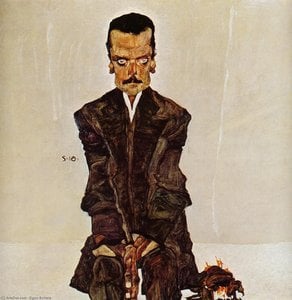
Egon Schiele’s “Untitled (4681)” is not merely a depiction of a woman; it's a raw, unflinching exploration of the human condition – a meditation on mortality, vulnerability, and the quiet despair that can reside within even the most seemingly ordinary moments. Painted in 1917-18, during a period of immense personal turmoil for the artist, this work embodies the core tenets of Schiele’s expressionist style: a deliberate distortion of form to convey inner emotion rather than objective reality. The subject, a woman with dark hair meticulously styled into a bun and adorned with a hat, is rendered with an almost unsettling directness. Her downward gaze, coupled with the clutching of a handkerchief – a recurring motif in Schiele’s oeuvre – immediately evokes a sense of sorrow and introspection. The painting's power lies not in idealized beauty but in its honest portrayal of emotional fragility.
Schiele’s artistic trajectory was profoundly shaped by the anxieties and uncertainties of early 20th-century Vienna. The city, a hotbed of intellectual and artistic ferment, was also grappling with social upheaval and political instability. Schiele's work reflects this atmosphere, anticipating the horrors of the impending World War I. His style, heavily influenced by Symbolism and particularly by artists like Gustav Klimt (though Schiele ultimately rejected Klimt’s decorative aesthetic), is characterized by elongated figures, angular poses, and a deliberate lack of polish. The use of muted earth tones – browns, ochres, and grays – further contributes to the painting's somber mood, creating a visual space that feels both claustrophobic and profoundly intimate.
The handkerchief held in the woman’s hands is a particularly potent symbol within Schiele’s work. It represents not just physical cleanliness but also grief, sorrow, and perhaps even a desperate attempt to control overwhelming emotions. The downward gaze suggests contemplation of mortality or a profound sense of loss. Considering Schiele's own personal struggles – his father's illness and death, the premature passing of his sister – it’s clear that “Untitled (4681)” is deeply rooted in his own anxieties and fears. This painting transcends mere portraiture; it becomes a poignant testament to the artist’s ability to translate profound emotional experience into a powerfully evocative visual statement. The work continues to resonate with viewers today, offering a glimpse into the complexities of human emotion and the enduring power of artistic expression.


1890 - 1918 , 오스트리아 크로아티아

Discover the excellence of WahooArt.com premium poster prints. Designed for elite collectors, our museum-quality Giclée reproductions offer unmatched durability and archival precision to elevate your luxury interiors with high-impact, sophisticated art decor.

Elevate your design projects with WahooArt's premium canvas prints and hand-painted reproductions. From Giclée excellence to bespoke oil commissions, we provide professional decorators with museum-quality, affordable art solutions delivered worldwide with a 100% satisfaction guarantee.


 미리보기
미리보기
 공유하기
공유하기 공유하기
공유하기
 상세 정보
상세 정보

 다운로드
다운로드
 유사 작품
유사 작품 X-레이
X-레이 슬라이드 쇼
 통계 정보
통계 정보

 더 보기
더 보기









 유리 옵션은 110cm 미만 크기에서만 선택 가능합니다.