원하는 크기와 액자로 주문 제작되는, 작가들이 직접 캔버스에 손으로 그린 유화 작품입니다. ( 프린트 판매로 전환 디지털 이미지로 전환)





























작품의 원본 비율을 유지하는 미리 설정된 크기 중에서 선택하세요.

특정 프레임이나 공간에 맞도록 직접 크기를 입력할 수 있습니다. 선택하신 크기가 원본 이미지의 비율과 일치하지 않는 경우, 작품을 자르거나 추가적인 손으로 그린 요소를 사용하여 그림을 확장합니다. 제작 시작 전 승인을 위해 디지털 목업을 보내드립니다.
화면 미리 보기는 실제 자르기 또는 확장을 반영하지 않습니다. 최종 구성은 목업을 통해서만 정확하게 확인하실 수 있습니다.
맞춤 크기 제작도 가능하지만, 원본 비율을 유지하기 위해 사전 정의된 목록에서 크기를 선택하시는 것을 권장합니다.

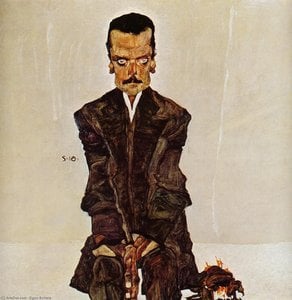
untitled (42)
복제본 크기
Egon Schiele's oeuvre is synonymous with unsettling beauty, psychological depth, and an unflinching gaze at the human condition. "Untitled (42)," a captivating work from around 1916-18, embodies these core tenets with remarkable force. This painting, depicting a nude male figure in a remarkably relaxed yet subtly vulnerable pose, offers a glimpse into Schiele’s intensely personal and often turbulent artistic world. It's not merely a portrait; it’s an exploration of physicality, mortality, and the delicate balance between exposure and concealment – themes that would become increasingly prominent throughout his tragically short life.
The composition is strikingly simple yet profoundly effective. The figure, positioned centrally within the frame, stretches out his arms horizontally, creating a sense of expansive openness while simultaneously suggesting a contained stillness. His posture invites observation, almost daring the viewer to breach an unspoken boundary. Notice the deliberate lack of detail in the background – a muted wash of color that serves primarily to emphasize the subject and draw attention to his form. This strategic use of negative space contributes significantly to the painting’s overall feeling of intimacy and vulnerability.
Schiele was a pivotal figure in the development of Expressionism, an artistic movement characterized by its subjective emotional expression rather than objective representation. His distinctive style is immediately recognizable through his use of bold, gestural lines – thick, almost frantic strokes that convey energy and anxiety. These lines aren’t used to meticulously render form; instead, they are employed to capture the *feeling* of the subject, imbuing the painting with a palpable sense of movement and unease. The application of paint is deliberately rough and uneven, further amplifying this raw emotional quality.
Schiele's mastery of line lies in its ability to simultaneously depict and distort. He employs elongated limbs, exaggerated proportions, and subtly unsettling angles – techniques that contribute to the painting’s overall sense of disorientation and psychological intensity. The use of color is equally deliberate; muted earth tones dominate the palette, punctuated by occasional flashes of crimson or ochre, which serve as visual anchors and heighten the emotional impact.
Schiele’s work is deeply intertwined with themes of death, anxiety, and the fragility of existence – subjects powerfully influenced by his own difficult childhood. The nude figure in “Untitled (42)” can be interpreted as a meditation on vulnerability and mortality. The exposed body, devoid of ornamentation or protective layers, becomes a symbol of raw honesty and an acknowledgment of our inherent physical limitations. The relaxed posture, however, suggests a quiet acceptance – perhaps even a defiant embrace – of this inevitable reality.
Furthermore, the painting’s creation during World War I adds another layer of complexity to its interpretation. Schiele's personal experiences with loss and illness, coupled with the pervasive atmosphere of fear and uncertainty surrounding the conflict, undoubtedly informed his artistic vision. The figure’s vulnerability can be seen as a reflection of humanity’s precarious position in the face of overwhelming forces.
"Untitled (42)" is more than just a depiction of a nude male form; it's a profound exploration of human emotion, rendered with Schiele’s signature intensity and psychological acuity. The painting’s enduring power lies in its ability to evoke a visceral response – a sense of both vulnerability and resilience, of beauty and unease. WahooArt offers meticulously crafted reproductions that faithfully capture the nuances of this remarkable work, allowing you to experience Schiele's artistic vision firsthand. Consider bringing this evocative piece into your home or office—a testament to the enduring power of art to confront and illuminate the complexities of the human spirit.


1890 - 1918 , 오스트리아 크로아티아

Explore the profound world of Figurative Expressionism. Discover how masters like Munch and Schiele use the human form to convey raw emotion, and learn how to curate these evocative, museum-quality masterpieces for your private collection.

Embark on a sophisticated journey through the history of line drawing. From classical mastery to modern minimalism, explore how the power of the line shapes emotion and space in fine art. Discover expert insights for collectors and enthusiasts of graphic elegance.


 미리보기
미리보기
 공유하기
공유하기 공유하기
공유하기
 상세 정보
상세 정보 가이드 보기

 다운로드
다운로드
 유사 작품
유사 작품 X-레이
X-레이 슬라이드 쇼
 통계 정보
통계 정보
 더 보기
더 보기









 유리 옵션은 110cm 미만 크기에서만 선택 가능합니다.