작가가 직접 캔버스에 손으로 그린 유화 작품으로, 원하는 크기와 액자로 맞춤 제작해 드립니다. ( 프린트 판매로 전환 디지털 이미지 판매 채널로 전환)





























작품의 원본 비율을 그대로 유지하는 프리셋 사이즈 중에서 선택해 보세요.

특정 프레임이나 공간에 맞춰 원하는 크기를 직접 입력하실 수 있습니다. 선택하신 크기가 원본 이미지의 비율과 일치하지 않을 경우, 작품을 자르거나 추가적인 수작업 요소를 더해 그림을 확장하여 제작합니다. 제작 시작 전, 최종 확인을 위해 디지털 목업을 보내드립니다.
화면상의 미리 보기는 실제 크롭(자르기)이나 확장된 상태를 완벽히 반영하지 않을 수 있습니다. 최종 구도는 오직 목업을 통해서만 정확하게 확인하실 수 있습니다.
맞춤 크기 제작도 가능하지만, 원본의 비율을 그대로 유지하기 위해서는 미리 정의된 목록에서 크기를 선택하시는 것을 권장합니다.

untitled (4015)
복제본 규격
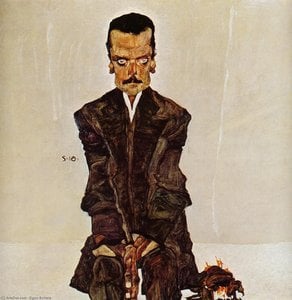
Egon Schiele's "Untitled (4015)," a stark black and white drawing, isn’t merely a depiction of a man seated before a mirror; it’s a profoundly unsettling exploration of vulnerability, mortality, and the anxieties simmering beneath the surface of early 20th-century consciousness. Created around 1916, during a period marked by immense personal turmoil and the looming shadow of World War I, this work exemplifies Schiele's signature style – characterized by elongated figures, feverish lines, and an unnerving intensity that pierces directly into the viewer’s psyche. The drawing captures a man in a state of quiet desperation, his posture suggesting both resignation and a barely contained struggle. The choice of black and white amplifies the emotional weight, stripping away any potential distraction from color and focusing attention squarely on form and expression.
Schiele's technique is immediately recognizable. The drawing isn’t rendered with smooth, polished surfaces; instead, it’s built up through a rapid succession of short, agitated lines – a deliberate rejection of academic precision in favor of raw emotionality. Notice the skeletal quality of the figure, accentuated by the loose application of charcoal. The sketchy appearance isn't accidental; it mirrors Schiele’s own internal state—a sense of fragility and instability. The man’s face is particularly arresting, his features gaunt and shadowed, conveying a profound sadness or perhaps even a touch of madness. The tennis racket held loosely in his hand adds an intriguing layer of complexity – a symbol of potential release, yet ultimately rendered inert by the scene's overall atmosphere of confinement.
To understand “Untitled (4015),” it’s crucial to consider Schiele’s personal life during this period. His father’s death from syphilis had a devastating impact, fueling an obsession with illness, decay, and the inevitability of mortality – themes that permeate much of his oeuvre. The mirror itself is a potent symbol, reflecting not just the man's physical appearance but also his internal self-awareness and perhaps even a confrontation with his own perceived flaws. The drawing resonates with broader anxieties of the time—the disillusionment following the rapid social and technological changes of the era, coupled with the horrors unfolding on the European battlefields. It’s a visual embodiment of the psychological strain experienced by many during this tumultuous period.
Schiele's work continues to captivate and disturb viewers today precisely because it refuses easy interpretation. “Untitled (4015)” isn’t a portrait in the traditional sense; it’s a psychological study, a raw and unflinching portrayal of human vulnerability. It speaks to our own anxieties about isolation, mortality, and the struggle to find meaning in a chaotic world. Reproductions of this powerful drawing offer a unique opportunity to engage with Schiele's intensely personal vision – a glimpse into the mind of an artist grappling with profound loss and existential questions. Consider how this piece might complement your interior design aesthetic; its stark simplicity and emotional depth can serve as a focal point, prompting contemplation and adding a layer of intellectual richness to any space.
Explore more about Egon Schiele and his work on our website: Egon Schiele and view a detailed reproduction of “Untitled (4015)” here: “Untitled (4015)”


1890 - 1918 , 오스트리아 크로아티아

Elevate your most cherished memories with WahooArt’s bespoke service. We transform your personal photos into breathtaking, hand-painted black & white oil masterpieces. Experience museum-quality craftsmanship and timeless elegance for your private collection. Discover the art of legacy.

Explore the profound artistry of black and white photography. From historical mastery to the interplay of light and shadow, discover how monochrome captures timeless emotion and form through a sophisticated lens of art history.

 실제 크기로 보기
 보내기
보내기 공유하기
공유하기
 상세 보기
상세 보기 가이드 보기

 이미지 다운로드
 유사 작품 더 보기
 X-레이
X-레이 슬라이드 쇼 보기
 통계 정보
통계 정보

 상세 보기
상세 보기









 유리 옵션은 110cm 미만 크기에서만 선택 가능합니다.