빠른 제작과 다양한 마감 옵션을 제공하는 박물관 품질의 지클레이 또는 캔버스 프린트. ( 손으로 그린 그림 구매 디지털 이미지로 전환)





























작품의 원본 비율을 유지하는 미리 설정된 크기 중에서 선택하세요.

특정 프레임이나 공간에 맞춰 직접 치수를 입력하실 수 있습니다. 선택하신 사이즈가 원본 이미지의 비율과 일치하지 않을 경우, 작품을 크롭(자르기)하거나 이미지를 대칭 또는 단색 채우기로 확장하여 제작합니다. 제작 시작 전, 최종 확인을 위해 디지털 목업이 전송됩니다.
화면상의 미리보기는 실제 크롭이나 확장 상태를 반영하지 않으므로, 최종 구도는 오직 목업을 통해서만 정확하게 확인하실 수 있습니다.
맞춤 사이즈 제작도 가능하지만, 원본 비율을 유지하기 위해서는 사전 정의된 목록에서 치수를 선택하시는 것을 권장합니다.

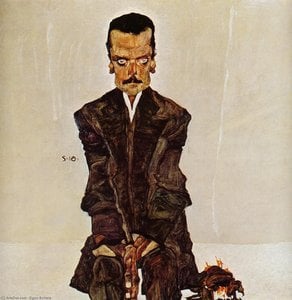
untitled (1321)
복제본 크기
In the evocative realm of Austrian Expressionism, few works capture the delicate tension between vitality and decay as poignantly as Egon Schiele’s untitled (1321). At first glance, the viewer is greeted by a vibrant, sprawling field of wildflowers, where brilliant yellows dance amidst a sea of lush green foliage. Yet, beneath this surface of natural beauty lies a profound meditation on the ephemeral nature of life. Schiele, an artist whose very name is synonymous with the raw, unshielded exploration of the human psyche, uses this floral composition to mirror the fragility of existence. The painting is not merely a botanical study; it is a rhythmic, visual poem that explores the unsettling beauty found within the cycle of growth and dissolution.
The technical mastery on display in this piece is nothing short of breathtaking, making it an extraordinary centerpiece for any curated collection or sophisticated interior. Schiele employed a painstaking process of hatching and cross-hatching, a hallmark of his expressive technique. This meticulous method allows him to build up tonal variations that lend a sculptural, almost tactile quality to each petal and leaf. As light interacts with the textured surface, the flowers appear to emerge from the shadows, creating a sense of immediacy and physical presence. The deliberate asymmetry of the composition further enhances this effect, eschewing traditional balance for a more dynamic, restless energy that keeps the eye wandering through the depths of the meadow.
To understand the emotional weight of this work, one must look toward the turbulent period in which it was conceived. Created during Schiele’s formative years between 1910 and 1918, the painting breathes the anxious air of a Europe on the precipice of monumental change. This was an era where Expressionism sought to bypass objective reality in favor of conveying internal emotional truths. Schiele’s personal history—marked by the tragic loss of his father to illness and the premature death of his sister, Elvira—infuses his work with a palpable sense of mortality. In this floral landscape, the bright yellow blooms can be seen as symbols of life's fleeting brilliance, while the darker, shadowed recesses of the foliage serve as reminders of the inevitable shadows that follow.
For the discerning collector or interior designer, untitled (1321) offers a unique opportunity to introduce a piece that is both visually stimulating and intellectually profound. The painting’s ability to balance vibrant color with somber undertones allows it to integrate seamlessly into diverse environments, from modern minimalist galleries to classic, richly textured studies. It serves as a conversation starter, inviting viewers to contemplate the "unsettling beauty" of the natural world. Owning a high-quality reproduction of this masterpiece means bringing home not just a beautiful image, but a fragment of art history—a window into the restless, searching soul of one of the twentieth century's most influential visionaries.

1890 - 1918 , 오스트리아 크로아티아

Discover the profound allure of oil on canvas. Explore the mastery of impasto textures, the science of pigment longevity, and expert guides to selecting museum-quality reproductions that elevate your collection with timeless elegance and tactile depth.


 미리보기
미리보기
 공유하기
공유하기 공유하기
공유하기
 상세 정보
상세 정보

 다운로드
다운로드
 유사 작품
유사 작품 X-레이
X-레이 슬라이드 쇼
 통계 정보
통계 정보

 더 보기
더 보기









 유리 옵션은 110cm 미만 크기에서만 선택 가능합니다.