x































작품의 원본 비율을 유지하는 미리 설정된 크기 중에서 선택하세요.

특정 프레임이나 공간에 맞도록 직접 크기를 입력할 수 있습니다. 선택하신 크기가 원본 이미지의 비율과 일치하지 않는 경우, 작품을 자르거나 추가적인 손으로 그린 요소를 사용하여 그림을 확장합니다. 제작 시작 전 승인을 위해 디지털 목업을 보내드립니다.
화면 미리 보기는 실제 자르기 또는 확장을 반영하지 않습니다. 최종 구성은 목업을 통해서만 정확하게 확인하실 수 있습니다.
맞춤 크기 제작도 가능하지만, 원본 비율을 유지하기 위해 사전 정의된 목록에서 크기를 선택하시는 것을 권장합니다.

Two Women Embracing 1
복제본 크기
Egon Schiele’s “Two Women Embracing 1,” a painting shrouded in the intensity of his Expressionist style, isn’t merely a depiction of physical intimacy; it’s a profound exploration of vulnerability, desire, and the precariousness of human connection. Completed in 1916 during a tumultuous period marked by World War I, the work pulsates with an almost palpable energy—a sense of urgency and unspoken longing that draws the viewer into its intimate world. The painting captures two women locked in a passionate embrace, their bodies intertwined in a dance of closeness and vulnerability. Schiele’s signature elongated figures, distorted perspectives, and sharply defined lines contribute to a feeling of unease and heightened emotion, mirroring the psychological landscape of his subjects.
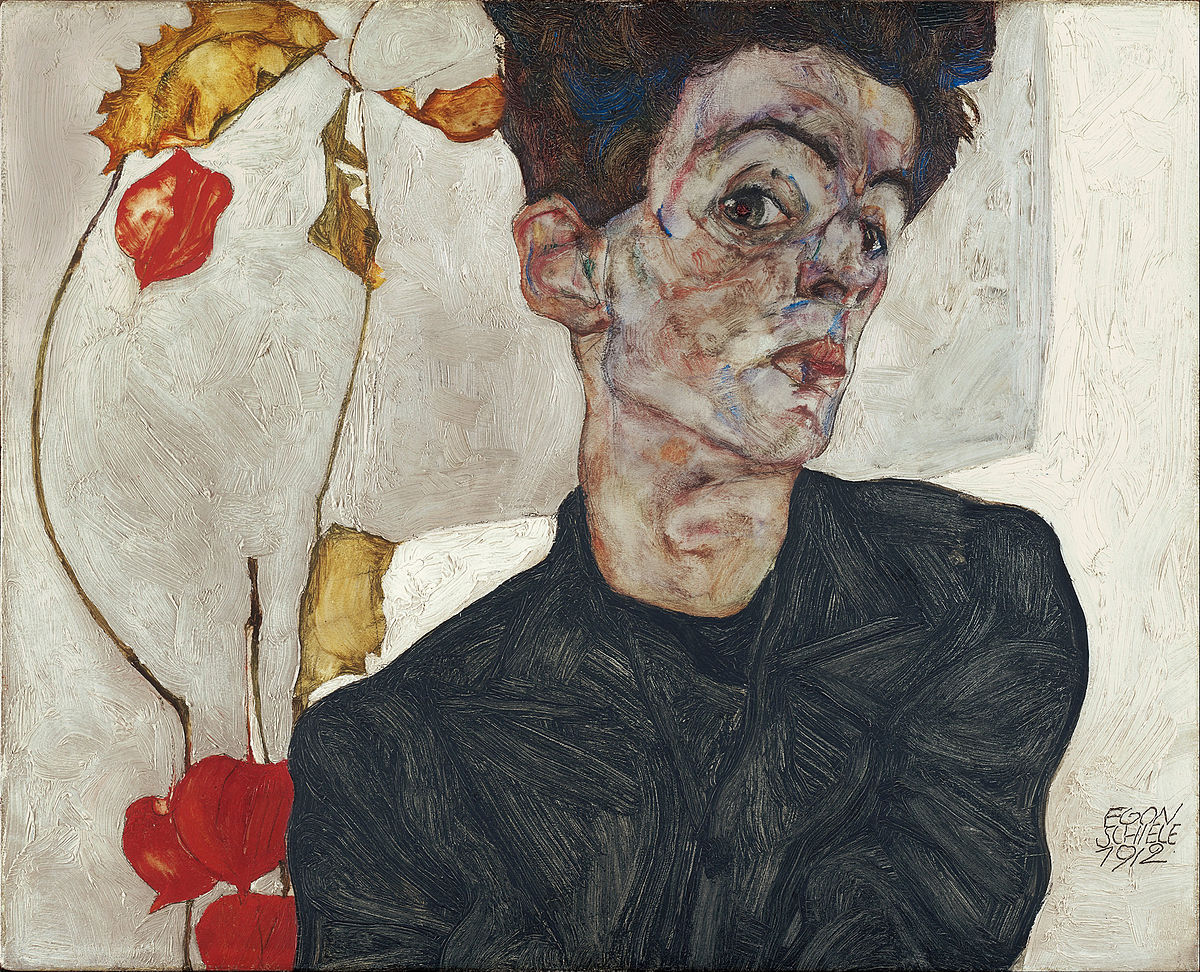
Born in Vienna in 1890, Egon Schiele was a pivotal figure within the burgeoning Expressionist movement. His work stands apart due to its intensely personal and often unsettling portrayal of human experience. Influenced by artists like Gustav Klimt and Vincent van Gogh, Schiele developed his own distinctive style characterized by elongated figures, distorted perspectives, and a deliberate use of line to convey emotion. His early life was marked by tragedy – the loss of his father due to syphilis at the age of fourteen profoundly shaped his artistic vision, fueling an obsession with mortality and the fragility of existence. This preoccupation is evident in many of his works, including “Two Women Embracing 1,” where the figures seem caught in a moment of suspended animation, reflecting both the beauty and the inherent sadness of human connection.
Schiele’s exploration of sexuality was equally radical for its time. He frequently depicted nude figures with unflinching honesty, challenging conventional notions of beauty and exploring themes of desire, vulnerability, and the darker aspects of human nature. His use of self-portraiture became a central element of his work, allowing him to delve into his own psychological state and confront his anxieties about identity and mortality.
Beyond the immediate depiction of the embrace, “Two Women Embracing 1” is rich in symbolic detail. The positioning of the women—one on top, a classic motif often associated with dominance and submission—suggests a complex power dynamic within their relationship. The bowl placed near the bottom left corner adds an intriguing layer to the composition; it could represent nourishment, fertility, or perhaps even a vessel for unspoken desires. The partially visible figure in the background hints at a broader social context, suggesting that this intimate moment is unfolding within a larger world of constraints and expectations. Schiele’s deliberate use of line—particularly the sharp angles and elongated forms—creates a sense of tension and unease, reflecting the emotional turmoil underlying the scene.
WahooArt offers meticulously hand-painted reproductions of “Two Women Embracing 1,” capturing the artist’s unique style and emotional intensity with unparalleled accuracy. Our skilled artisans recreate Schiele’s distinctive use of line, color palette, and composition, ensuring that your reproduction faithfully reflects the original painting's power and beauty. Whether you are an art collector, interior designer, or simply a lover of evocative artwork, a WahooArt reproduction of “Two Women Embracing 1” will serve as a stunning focal point in any space—a testament to Schiele’s genius and a poignant reminder of the complexities of human emotion.


1890 - 1918 , 오스트리아 크로아티아

Explore the profound world of Figurative Expressionism. Discover how masters like Munch and Schiele use the human form to convey raw emotion, and learn how to curate these evocative, museum-quality masterpieces for your private collection.

Discover the profound power of Expressionist art. From the raw intensity of Edvard Munch to the visceral textures of Neo-Expressionism, explore how subjective emotion and distorted reality define this movement. An expert guide for discerning collectors seeking depth and soul in fine art.


최신 미술 뉴스, 특별 혜택 및 인테리어 아이디어를 가장 먼저 만나보세요.
프로젝트에 대해 알려주시면 저희 미술 전문가들이 맞춤형 아트 제안 3가지를 전달해 드립니다.
당신만을 위한 맞춤형 옵션 3가지를 무료로 추천해 드립니다!


 미리보기
미리보기
 프린트 구매
 공유하기
공유하기 공유하기
공유하기
 상세 정보
상세 정보

 다운로드
다운로드
 유사 작품
유사 작품 X-레이
X-레이 슬라이드 쇼
 더 보기
더 보기









 유리 옵션은 110cm 미만 크기에서만 선택 가능합니다.