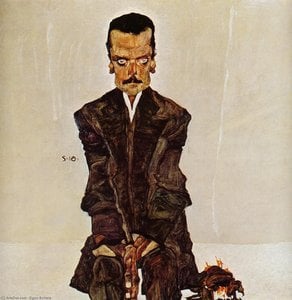
빠른 제작과 다양한 마감 옵션을 선택할 수 있는 박물관 수준의 지클레이 및 캔버스 프린트. ( 수작업 채색 복제본 주문하기 디지털 이미지 판매 채널로 전환)





























작품의 원본 비율을 그대로 유지하는 프리셋 사이즈 중에서 선택해 보세요.

액자나 벽면 크기에 맞춰 필요한 가로와 세로 길이를 입력해 주세요. 프린트는 원본 이미지보다 크게 제작할 수 없으며 오직 자르는 것만 가능하므로, 비율이 다른 사이즈를 선택할 경우 이미지의 일부가 잘려 나갈 수 있습니다. 인쇄 작업에 들어가기 전, 최종 확인을 위해 디지털 목업을 보내드립니다. 이 페이지에 표시된 이미지는 실제 잘리는 영역을 나타내지 않으며, 오직 목업을 통해서만 정확한 확인이 가능합니다.
Two Seated Girls
복제본 규격
Egon Schiele's "Two Seated Girls," painted in 1911, is more than just a depiction of two young women; it’s a poignant exploration of vulnerability, connection, and the quiet anxieties simmering beneath the surface of early 20th-century life. This intimate scene, rendered with Schiele’s signature raw intensity, offers a rare glimpse into his evolving artistic language and his deeply personal worldview. The painting captures a fleeting moment – perhaps a shared secret, a comfortable silence, or simply the simple pleasure of companionship – within the confines of a modestly furnished room. The figures are bathed in a muted palette of browns, ochres, and greys, colors that contribute to the overall sense of subdued emotion and introspection.
Schiele's style is immediately recognizable, characterized by elongated figures, distorted perspectives, and a deliberate avoidance of smooth surfaces. In “Two Seated Girls,” this is particularly evident in the rendering of the girls themselves – their limbs are slightly exaggerated, their faces subtly unsettling, yet undeniably captivating. He employed a technique known as ‘pointillism’ or ‘divisionist’ painting, applying small dots of color to create texture and depth, adding to the painting's almost tactile quality. This method allowed him to build up layers of tone and shadow with remarkable subtlety, creating an atmosphere that is both dreamlike and intensely real. The loose brushwork and fragmented forms are hallmarks of Expressionism, a movement Schiele was deeply involved in, though he developed his own distinct voice within it.
Considering Schiele’s life – marked by illness, loss, and a preoccupation with mortality – “Two Seated Girls” is often interpreted through this lens. The presence of books scattered around the room speaks to intellectual curiosity and perhaps a yearning for escape from the realities of existence. The partially visible figure at the edge of the painting could represent an observer, or even a ghost, subtly reminding us of the transient nature of life and the potential for unseen forces shaping our experiences. The act of one girl resting her head on the other’s lap is profoundly symbolic – it represents comfort, trust, and a shared vulnerability. It's a gesture that simultaneously suggests intimacy and a delicate balance, hinting at the precariousness of human connection.
Painted in 1911, “Two Seated Girls” reflects the social and artistic currents of Vienna at the turn of the century. The city was undergoing rapid change – industrialization, urbanization, and increasing social unrest were reshaping its landscape and challenging traditional values. Expressionism, with its focus on subjective experience and emotional intensity, provided a powerful outlet for artists grappling with these anxieties. Schiele’s work, like that of Klimt and Kokoschka, captured the spirit of this era – a time of both excitement and uncertainty, beauty and despair. The painting's quiet intimacy stands in stark contrast to the broader societal turmoil, offering a moment of respite and contemplation.
WahooArt offers meticulously crafted, hand-painted reproductions of “Two Seated Girls,” allowing you to bring this evocative masterpiece into your home or office. Each reproduction is created by skilled artists using traditional techniques, ensuring a faithful representation of Schiele’s original vision while capturing the painting's unique emotional depth and textural nuances. Explore our collection today and experience the power of art firsthand.
전반적으로 "Two Seated Girls"의 밝기는 bright로 기록되었습니다. 인지된 밝기는 작품이 얼마나 밝거나 어둡게 보이는지를 나타냅니다.
"Two Seated Girls"의 작가인 에곤 실레의 다른 이름으로는 에곤 레오 오돌프 루이스 실레 등이 있습니다.
"Two Seated Girls"은(는) 1911년에 Acrylic On Canvas 기법으로 제작되었습니다.


1890 - 1918 , 오스트리아 크로아티아

Explore the profound world of Figurative Expressionism. Discover how masters like Munch and Schiele use the human form to convey raw emotion, and learn how to curate these evocative, museum-quality masterpieces for your private collection.

Discover the profound power of Expressionist art. From the raw intensity of Edvard Munch to the visceral textures of Neo-Expressionism, explore how subjective emotion and distorted reality define this movement. An expert guide for discerning collectors seeking depth and soul in fine art.
 실제 크기로 보기
 보내기
보내기 공유하기
공유하기
 상세 보기
상세 보기 가이드 보기

 이미지 다운로드
 유사 작품 더 보기
 X-레이
X-레이 슬라이드 쇼 보기
 Q&A
Q&A 통계 정보
통계 정보

 상세 보기
상세 보기









 유리 옵션은 110cm 미만 크기에서만 선택 가능합니다.