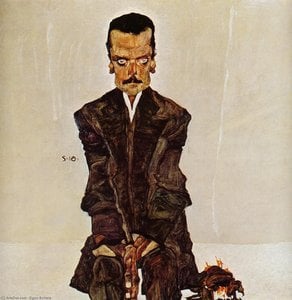
빠른 제작과 다양한 마감 옵션을 제공하는 박물관 품질의 지클레이 또는 캔버스 프린트. ( 손으로 그린 그림 구매 이미지 구매)





























작품의 원본 비율을 유지하는 미리 설정된 크기 중에서 선택하세요.

특정 프레임이나 공간에 맞춰 직접 치수를 입력하실 수 있습니다. 선택하신 사이즈가 원본 이미지의 비율과 일치하지 않을 경우, 작품을 크롭(자르기)하거나 이미지를 대칭 또는 단색 채우기로 확장하여 제작합니다. 제작 시작 전, 최종 확인을 위해 디지털 목업이 전송됩니다.
화면상의 미리보기는 실제 크롭이나 확장 상태를 반영하지 않으므로, 최종 구도는 오직 목업을 통해서만 정확하게 확인하실 수 있습니다.
맞춤 사이즈 제작도 가능하지만, 원본 비율을 유지하기 위해서는 사전 정의된 목록에서 치수를 선택하시는 것을 권장합니다.

Trieste Fishing Boat
복제본 크기
In the vast landscape of early twentieth-century modernism, few works capture the delicate tension between external reality and internal turmoil as poignantly as Egon Schiele’s 1912 masterpiece, Trieste Fishing Boat. As a titan of Austrian Expressionism, Schiele possessed an unparalleled ability to peer beneath the surface of the visible world to reveal the raw, often unsettling psychological truths beneath. In this particular work, we encounter a scene that, at first glance, appears to be a quiet moment of maritime life, yet it is deeply imbued with the artist's signature preoccupation with vulnerability and the fleeting nature of existence.
The painting presents a weathered fishing boat adrift upon the water, its wooden structure bearing the marks of time and salt. However, Schiele transcends mere maritime portraiture by populating the vessel with an unexpected collection of domestic artifacts. Scattered chairs, a dining table laden with bottles, and dimly lit interiors create a surreal juxtaposition—a floating room disconnected from the stability of land. This composition serves as a profound metaphor for the human condition; the boat becomes a sanctuary of quiet contemplation, yet its very isolation on the open water evokes a sense of profound loneliness and the relentless passage of time.
To behold Trieste Fishing Boat is to experience the visceral power of Schiele’s technical mastery. Moving away from the decorative elegance of the Art Nouveau period that defined his mentor, Gustav Klimt, Schiele embraced a more rugged and emotive approach. The canvas is alive with thick, impasto brushstrokes that lend a palpable, tactile quality to the boat's aged timber and the undulating surface of the sea. This heavy texture does not merely represent form; it embodies the physical struggle and the weight of the emotions being depicted.
Schiele’s use of color is equally strategic in its emotional delivery. He employs a sophisticated tonal palette where vibrant, piercing hues of reds and oranges are used to punctuate the scene, heightening the viewer's sensory engagement. These warm, energetic tones are masterfully juxtaposed against muted, somber browns and deep blues, creating a chromatic tension that mirrors the painting's underlying melancholy. The interplay of light and shadow within the boat’s interior further enhances this atmosphere, casting much of the scene in a state of twilight introspection.
For the discerning art lover or collector, Trieste Fishing Boat offers more than just aesthetic beauty; it offers a window into the soul of Expressionism. The painting’s ability to communicate unease, nostalgia, and a quiet, dignified strength makes it a profound addition to any curated collection. It is a piece that demands slow observation, rewarding the viewer with new layers of symbolic meaning upon every encounter.
For interior designers and those seeking to curate sophisticated living spaces, this work provides an unparalleled focal point. Its complex emotional narrative and rich, textured aesthetic allow it to anchor a room with both historical gravity and modern relevance. Whether placed in a minimalist contemporary setting to provide a striking contrast or within a classic, richly appointed study to complement its moody atmosphere, a high-quality reproduction of this Schiele masterpiece brings an air of intellectual depth and timeless elegance to any environment. It is not merely a decoration, but an invitation to engage with the beautiful, turbulent essence of life itself.


1890 - 1918 , 오스트리아 크로아티아

Embark on a sophisticated journey through the splendor of Austrian art. From Gustav Klimt’s golden masterpieces to the elegance of the Viennese Secession, discover the history and symbolism behind Europe's most iconic works for the discerning collector.
Embark on a sophisticated journey through Austrian art history. Explore the golden brilliance of Gustav Klimt and the elegance of the Vienna Secession through an expert lens, celebrating the enduring soul of Central European masterpieces.

Discover the exquisite world of Art Nouveau. Explore the elegant fusion of nature and design through architectural masterpieces, organic forms, and the legendary masters of the Belle Époque. Immerse yourself in a journey of timeless sophistication and ornamental beauty.


 미리보기
미리보기
 공유하기
공유하기 공유하기
공유하기
 상세 정보
상세 정보

 다운로드
다운로드
 유사 작품
유사 작품 X-레이
X-레이 슬라이드 쇼

 더 보기
더 보기









 유리 옵션은 110cm 미만 크기에서만 선택 가능합니다.