빠른 제작과 다양한 마감 옵션을 제공하는 박물관 수준의 지클레이 및 캔버스 프린트. ( 수작업 채색 복제본 주문하기 디지털 이미지로 전환)





























작품의 원본 비율을 그대로 유지하는 프리셋 사이즈 중에서 선택해 보세요.

액자나 벽면 크기에 맞춰 필요한 가로와 세로 길이를 입력해 주세요. 프린트는 원본 이미지보다 크게 제작할 수 없으며 오직 자르는 것만 가능하므로, 비율이 다른 사이즈를 선택할 경우 이미지의 일부가 잘려 나갈 수 있습니다. 인쇄 작업에 들어가기 전, 최종 확인을 위해 디지털 목업을 보내드립니다. 이 페이지에 표시된 이미지는 실제 잘리는 영역을 나타내지 않으며, 오직 목업을 통해서만 정확한 확인이 가능합니다.
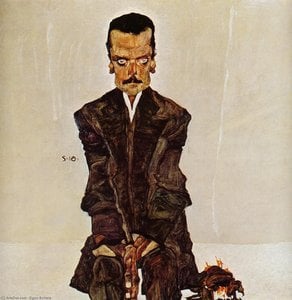
Three Girls
복제본 크기
Egon Schiele's "Three Girls," painted in 1911, is not merely a depiction of three young women; it’s a profoundly unsettling exploration of intimacy, vulnerability, and the precariousness of existence – hallmarks of the artist’s intensely personal and emotionally charged style. The painting immediately confronts the viewer with its raw honesty, eschewing idealized beauty for a stark realism that borders on the disturbing. Schiele, working in Vienna during a period of immense social and artistic upheaval, was deeply influenced by the burgeoning Expressionist movement, which sought to convey subjective emotions rather than objective reality. This work exemplifies his signature approach: elongated figures, distorted perspectives, and an almost palpable sense of unease permeate every brushstroke.
The composition itself is deliberately unsettling. The women are clustered closely together, their limbs intertwined in a way that suggests both connection and potential conflict. Their gazes, averted or directed inward, hint at unspoken anxieties and hidden desires. Schiele’s masterful use of line – particularly the sharp, angular contours defining their bodies – creates a sense of dynamism and instability. The figures aren't posed formally; they seem caught in a moment of intense feeling, frozen in a private drama that unfolds entirely within the confines of the room. Notice how he uses shading to create an almost sculptural effect, emphasizing the physicality of each woman while simultaneously hinting at their fragility.
To fully appreciate “Three Girls,” it’s crucial to understand Schiele's personal life during this period. He was grappling with profound grief – his father had succumbed to syphilis just a few years prior, leaving him emotionally scarred and acutely aware of the fragility of human life. The early death of his sister Elvira further deepened this sense of loss and fueled an obsession with mortality that would become a recurring theme in his work. This painting can be interpreted as a meditation on these themes, a visual representation of the anxieties surrounding death, sexuality, and the search for connection in the face of inevitable decay.
The room itself – a sparsely furnished bedroom with a bed in the background – contributes to the overall atmosphere of claustrophobia and unease. It’s not a welcoming space; rather, it feels like a refuge, or perhaps a prison. The muted color palette—dominated by browns, greys, and ochres—reinforces this sense of melancholy and isolation. Schiele's use of light is equally deliberate, casting long shadows that obscure the figures and heighten their vulnerability.
Beyond its immediate emotional impact, “Three Girls” is rich in symbolic meaning. The intertwined limbs can be seen as a representation of both physical intimacy and psychological dependence. The averted gazes suggest a reluctance to confront one another, perhaps reflecting a deeper sense of insecurity or unresolved conflict. Some art historians have linked the painting to Schiele’s fascination with the human body, particularly its capacity for both pleasure and pain. The figures' elongated forms and distorted features are characteristic of Expressionist aesthetics, designed to convey intense emotions rather than realistic appearances.
Furthermore, the presence of the standing figure in the background adds another layer of complexity to the scene. This enigmatic presence could represent a silent observer, a potential threat, or perhaps even a reflection of the women’s own internal struggles. It's a detail that invites speculation and encourages viewers to engage with the painting on a deeper level.
WahooArt offers meticulously crafted hand-painted reproductions of Egon Schiele’s “Three Girls,” capturing the artist’s unique style and emotional intensity. Our skilled artisans use archival-quality materials and techniques to faithfully recreate every nuance of this powerful work, ensuring that it will be a treasured addition to any art collection or interior space. Whether you're an admirer of Expressionism, a collector of Schiele’s oeuvre, or simply seeking a piece of art that evokes profound emotion, our reproduction provides an authentic and captivating representation of this iconic painting. Explore the full artwork details and order your high-quality reproduction today at WahooArt.
"Three Girls"은(는) WallArt 작품입니다.
에곤 실레의 "Three Girls"은(는) 고해상도 디지털 이미지 다운로드로 이용 가능하며, 작품의 디지털 이미지 다운로드 페이지에서 다운로드할 수 있습니다.
에곤 실레의 "Three Girls"의 인기도는 Recognized 수준입니다. 이 분류는 해당 작품이 얼마나 널리 알려져 있는지를 반영합니다.


1890 - 1918 , 오스트리아 크로아티아

Explore the profound world of Figurative Expressionism. Discover how masters like Munch and Schiele use the human form to convey raw emotion, and learn how to curate these evocative, museum-quality masterpieces for your private collection.
 미리보기
미리보기
 공유하기
공유하기 공유하기
공유하기
 상세 정보
상세 정보 가이드 보기

 다운로드
다운로드
 유사 작품 더 보기
 X-레이
X-레이 슬라이드 쇼 보기
 질의응답
질의응답
 통계 정보
통계 정보

 더 보기
더 보기









 유리 옵션은 110cm 미만 크기에서만 선택 가능합니다.