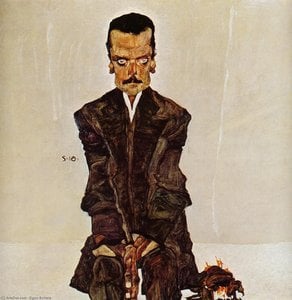
빠른 제작과 다양한 마감 옵션을 선택할 수 있는 박물관 수준의 지클레이 및 캔버스 프린트. ( 수작업 채색 복제본 주문하기 디지털 이미지 판매 채널로 전환)





























작품의 원본 비율을 그대로 유지하는 프리셋 사이즈 중에서 선택해 보세요.

액자나 벽면 크기에 맞춰 필요한 가로와 세로 길이를 입력해 주세요. 프린트는 원본 이미지보다 크게 제작할 수 없으며 오직 자르는 것만 가능하므로, 비율이 다른 사이즈를 선택할 경우 이미지의 일부가 잘려 나갈 수 있습니다. 인쇄 작업에 들어가기 전, 최종 확인을 위해 디지털 목업을 보내드립니다. 이 페이지에 표시된 이미지는 실제 잘리는 영역을 나타내지 않으며, 오직 목업을 통해서만 정확한 확인이 가능합니다.
The Dancer Moa
복제본 규격
Egon Schiele's “The Dancer Moa,” painted in 1911, is not merely a depiction of a woman in motion; it’s a raw, intensely personal exploration of the human condition – a dance with mortality and the unsettling beauty of vulnerability. This watercolor, rendered in bold, almost frantic strokes, immediately draws the viewer into a world saturated with color and brimming with an unspoken tension. The subject, a young woman enveloped in a vibrant red dress and a flowing blue scarf, appears caught in a moment of both grace and profound unease. Her arms are outstretched, suggesting movement and perhaps even a desperate reach, while her gaze is averted, hinting at a hidden story or a private sorrow.
Schiele’s work during this period represents a significant departure from the decorative elegance of Gustav Klimt, his mentor. While Klimt employed shimmering gold and intricate patterns to create opulent surfaces, Schiele favored a more direct and emotionally charged approach. He rejected the polished surface in favor of visible brushstrokes—a deliberate act that emphasizes the physicality of painting itself. The loose application of watercolor, combined with the dark outlines defining the figure, creates an immediate sense of urgency and instability. This technique reflects Schiele’s fascination with the body's vulnerability and its capacity for both exquisite beauty and profound suffering – themes that would dominate much of his oeuvre.
The rich textiles surrounding the dancer are crucial to understanding the painting’s layered meaning. The vibrant red dress, a color often associated with passion and danger, contrasts sharply with the cool blue scarf, suggesting a conflict between desire and restraint. These fabrics aren't simply decorative; they act as vessels for emotion, enveloping the figure in a cocoon of sensation. Schiele was deeply interested in the textures and patterns of clothing – he frequently incorporated them into his work to heighten the visual impact and imbue objects with symbolic weight. The swirling forms within the textiles seem to mirror the dancer’s own internal turmoil, suggesting that her movements are not just physical but also emotional.
Painted in a period marked by personal tragedy – his sister Elvira died young and his father succumbed to illness – “The Dancer Moa” is often interpreted as a reflection of Schiele’s own anxieties about life, death, and the fragility of existence. The dancer's averted gaze and the overall sense of unease suggest a profound awareness of mortality. Schiele’s self-portraits, particularly those from this period, are frequently characterized by similar themes of introspection and psychological intensity. “The Dancer Moa” stands as a testament to his ability to translate deeply personal emotions into powerful visual forms. It's a hauntingly beautiful work that invites viewers to contemplate the complexities of human experience – a dance between joy and sorrow, strength and vulnerability, life and death.
WahooArt offers meticulously crafted hand-painted reproductions of Egon Schiele’s “The Dancer Moa,” allowing you to bring this evocative masterpiece into your home or office. Each reproduction is created by skilled artists using traditional techniques, ensuring the highest level of detail and authenticity. Explore our collection today and experience the raw emotion and artistic brilliance of one of Expressionism's most compelling figures.
"The Dancer Moa"은 작가의 탄생지를 통해 Expressionist Style 사조와 오스트리아 크로아티아를 연결합니다.
에곤 실레의 "The Dancer Moa"의 유사한 작품 페이지에서 관련 작품들을 만나보세요.
Portrait 형태의 "The Dancer Moa" 복제 작품은 Living Room에 배치하시기에 좋습니다.

1890 - 1918 , 오스트리아 크로아티아

Discover the ethereal beauty of watercolor through an art-historical lens. Master the delicate balance of light, fluidity, and pigment to capture the luminous essence of nature, inspired by the legendary techniques of the Old Masters and Impressionist greats.

Discover the ethereal beauty of premium watercolor reproductions and bespoke commissions at WahooArt. From museum-quality landscapes to custom AI-enhanced portraits, our master artists deliver unparalleled craftsmanship and white-glove service for discerning collectors worldwide.

 실제 크기로 보기
 보내기
보내기 공유하기
공유하기
 상세 보기
상세 보기 가이드 보기

 이미지 다운로드
 유사 작품 더 보기
 X-레이
X-레이 슬라이드 쇼 보기
 통계 정보
통계 정보

 상세 보기
상세 보기









 유리 옵션은 110cm 미만 크기에서만 선택 가능합니다.