빠른 제작과 다양한 마감 옵션을 선택할 수 있는 박물관 수준의 지클레이 및 캔버스 프린트. ( 수작업 채색 복제본 주문하기 디지털 이미지 판매 채널로 전환)





























작품의 원본 비율을 그대로 유지하는 프리셋 사이즈 중에서 선택해 보세요.

액자나 벽면 크기에 맞춰 필요한 가로와 세로 길이를 입력해 주세요. 프린트는 원본 이미지보다 크게 제작할 수 없으며 오직 자르는 것만 가능하므로, 비율이 다른 사이즈를 선택할 경우 이미지의 일부가 잘려 나갈 수 있습니다. 인쇄 작업에 들어가기 전, 최종 확인을 위해 디지털 목업을 보내드립니다. 이 페이지에 표시된 이미지는 실제 잘리는 영역을 나타내지 않으며, 오직 목업을 통해서만 정확한 확인이 가능합니다.
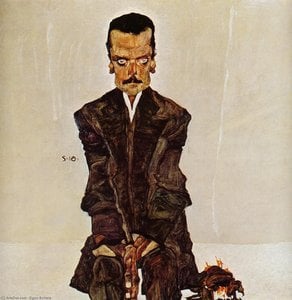
Sleeping Child
복제본 규격
In the quiet, unsettling depths of Egon Schiele’s 1910 masterpiece, “Sleeping Child,” we encounter more than just a portrait; we witness a profound psychological excavation. This exquisite gouache on canvas serves as a haunting testament to the artist's lifelong preoccupation with mortality and the fragile boundaries of the human psyche. The painting depicts a young boy nestled in repose, his small frame curled inward, arms wrapped tightly around himself in a posture that immediately evokes a sense of defenselessness and raw vulnerability. Schiele, a master of the Expressionist movement, eschews the polished idealism of traditional portraiture to instead capture a deeper, more unsettling truth—the quiet ache of existence that lies beneath the surface of even the most innocent subjects.
The technical execution of the piece is as striking as its subject matter. Schiele employs a distinctive Expressionist style characterized by angular, almost jagged lines and a flattened perspective that pushes the figure toward the viewer, demanding an intimate, if uncomfortable, engagement. His palette is deliberately muted, dominated by somber browns, earthy ochres, and shadowy tones that contribute to a heavy, melancholic atmosphere. By layering thin, translucent washes of gouache, Schiele builds a texture that feels palpably alive, creating a surface that seems to vibrate with the artist's own internal anxieties. This meticulous approach ensures that every stroke contributes to the painting's overall sense of tension and psychological weight.
To look upon “Sleeping Child” is to navigate a labyrinth of symbolic meaning. The boy’s fetal position is laden with significance, representing an innocence that feels perpetually threatened by an encroaching darkness—a recurring motif throughout Schiele's turbulent oeuvre. There is a deliberate concealment within the work; the child's face is partially obscured by his own limbs, creating a mask-like effect that hints at hidden emotions and the deliberate shielding of identity from a harsh world. This interplay between presence and absence, between what is revealed and what remains shrouded, invites the viewer to contemplate the complexities of the human condition.
The historical context of the piece further enriches its emotional resonance. Created during Schiele’s formative years in Vienna, the painting reflects the broader intellectual ferment and societal upheaval of the early twentieth century. It was an era marked by a profound shift in how humanity perceived itself, as the certainties of the past gave way to the psychological explorations of modernism. For collectors and lovers of fine art, this piece offers a window into that transformative period, capturing the very essence of Expressionism—the desire to convey inner turmoil through distorted imagery and intense emotionality. Whether displayed in a curated gallery or as a focal point in a sophisticated interior, “Sleeping Child” remains an evocative powerhouse, offering a timeless meditation on the beauty found within fragility.
에곤 실레의 "Sleeping Child"은(는) 작품의 슬라이드쇼 페이지에서 슬라이드쇼로 감상하실 수 있습니다.
1910년에 제작된 "Sleeping Child"은 에곤 실레의 예술적 발전 과정 중 Mature Period에 해당합니다.
에곤 실레의 기록된 주제들인 psychological exploration, expressionist style, mortality concerns, train motif, inner turmoil 중에서도, "Sleeping Child"은 childhood, portraiture, mask, anguish, fear, sleep, anatomy에 독자적인 초점을 맞추고 있습니다.


1890 - 1918 , 오스트리아 크로아티아

Immerse yourself in the raw emotion of German Expressionism. Explore 25 iconic masterpieces by Ernst Ludwig Kirchner, from bold street scenes to vibrant landscapes. Find inspiration for museum-quality art reproductions and decor. Discover all masterpieces on WahooArt.com.

Immerse yourself in the vibrant world of Alexej von Jawlensky. Explore 25 iconic Expressionist masterpieces, from emotive portraits to bold colors. Find inspiration for your collection with museum-quality art reproductions at WahooArt.com. Discover all masterpieces online.

Embark on a sophisticated journey through the history of line drawing. From classical mastery to modern minimalism, explore how the power of the line shapes emotion and space in fine art. Discover expert insights for collectors and enthusiasts of graphic elegance.

Explore the timeless elegance of muted putty tones through 10 iconic masterpieces. From classical techniques to modern minimalism, discover the stories behind these neutral-toned legends and find museum-quality art reproductions for your decor. Explore the full collection on WahooArt.com.

Immerse yourself in the raw emotion of Egon Schiele. Explore 25 iconic Expressionist masterpieces, from haunting self-portraits to profound sketches. Find museum-quality art reproductions and curated decor inspiration. Discover all masterpieces on WahooArt.com.

 실제 크기로 보기
 보내기
보내기 공유하기
공유하기
 상세 보기
상세 보기 가이드 보기

 이미지 다운로드
 유사 작품 더 보기
 X-레이
X-레이 슬라이드 쇼 보기
 통계 정보
통계 정보

 상세 보기
상세 보기









 유리 옵션은 110cm 미만 크기에서만 선택 가능합니다.