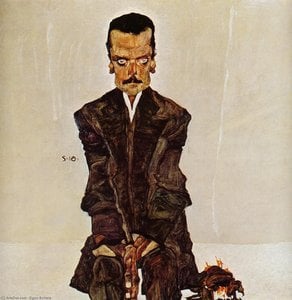
Acrylic On CanvasWallArtExpressionist Style
 1918Early Medieval
 44.0 x 29.0 cm
원하는 크기와 액자로 주문 제작되는, 작가들이 직접 캔버스에 손으로 그린 유화 작품입니다. ( 프린트 판매로 전환 디지털 이미지로 전환)





























작품의 원본 비율을 유지하는 미리 설정된 크기 중에서 선택하세요.

특정 프레임이나 공간에 맞도록 직접 크기를 입력할 수 있습니다. 선택하신 크기가 원본 이미지의 비율과 일치하지 않는 경우, 작품을 자르거나 추가적인 손으로 그린 요소를 사용하여 그림을 확장합니다. 제작 시작 전 승인을 위해 디지털 목업을 보내드립니다.
화면 미리 보기는 실제 자르기 또는 확장을 반영하지 않습니다. 최종 구성은 목업을 통해서만 정확하게 확인하실 수 있습니다.
맞춤 크기 제작도 가능하지만, 원본 비율을 유지하기 위해 사전 정의된 목록에서 크기를 선택하시는 것을 권장합니다.

Sitting Woman
복제본 크기
Egon Schiele's "Sitting Woman," created in 1918, isn’t merely a depiction of a seated figure; it’s a raw and intensely personal exploration of the human condition. Rendered in delicate pencil on paper, this intimate drawing captures a moment suspended between quiet contemplation and unspoken sorrow – a hallmark of Schiele's signature Expressionist style. The year 1918 was a pivotal one for the artist, a time of immense personal loss and creative upheaval, mirroring the painting’s palpable sense of melancholy. Schiele’s life, tragically cut short at just nineteen, was marked by illness, familial tragedy, and a profound awareness of mortality; these themes consistently permeate his work, offering viewers an unsettling yet compelling glimpse into the artist's psyche.
Schiele’s technique in “Sitting Woman” is deceptively simple, yet profoundly effective. He eschews bold colors for the muted tones of graphite, allowing the texture of the paper to contribute significantly to the image's mood. The elongated figure, characteristic of Schiele’s style, possesses a haunting fragility. Notice how he renders the limbs – subtly distorted and almost skeletal – conveying a sense of vulnerability and perhaps even impending collapse. The use of cross-hatching creates an incredible depth and shadow play, drawing the viewer into the woman's space, inviting us to share in her quiet solitude. The artist’s signature, placed discreetly at the bottom, feels like a final, intimate gesture – a testament to his presence within this intensely personal work.
The most arresting element of “Sitting Woman” is undoubtedly the heart-shaped tattoo adorning her chest. This isn’t simply a decorative detail; it's a potent symbol, laden with layers of meaning. In Schiele’s oeuvre, hearts frequently represent both love and loss – a poignant reminder of his own father’s death from syphilis. The placement on the body suggests an intimate connection to the self, perhaps hinting at suppressed emotions or a yearning for connection. It could also be interpreted as a symbol of vulnerability, exposing the heart—both literally and figuratively—to the world. The woman's posture itself – legs crossed, head slightly bowed – further reinforces this sense of introspection and quiet suffering.
“Sitting Woman” is firmly rooted in the artistic landscape of early 20th-century Vienna. Schiele was deeply influenced by artists like Gustav Klimt, but he forged his own distinct path, rejecting decorative excess in favor of raw emotion and psychological depth. The painting reflects the anxieties and uncertainties of a period marked by social upheaval and burgeoning modernist thought. It’s important to consider this historical context when viewing the work; Schiele was grappling with questions of identity, mortality, and the changing role of the individual within society. His exploration of these themes resonates powerfully even today. For those interested in exploring more works by Schiele, The National Gallery Prague holds a significant collection, offering a comprehensive overview of his artistic journey.
WahooArt offers meticulously crafted hand-painted reproductions of “Sitting Woman,” allowing you to bring this extraordinary piece into your home or office. Each reproduction is created with the same care and attention to detail as the original, capturing the painting’s haunting beauty and emotional intensity. Explore our collection today and experience the power of Schiele's vision firsthand.


1890 - 1918 , 오스트리아 크로아티아

Elevate your artistic practice with this expert guide to mastering the line. Discover advanced techniques in graphite, charcoal, and contour drawing designed for art students seeking technical precision and expressive depth in their fine art studies.

Discover the sophisticated mastery of graphite drawing. Explore expert techniques for achieving profound depth, intricate texture, and hyper-realistic detail through the alchemy of carbon, curated for the discerning art enthusiast and professional collector.

Explore the profound artistry of graphite drawing. Discover professional techniques for mastering depth, texture, and detail through a lens of art history, from classical sketches to modern masterpieces. Elevate your understanding of the pencil medium with our expert guide.

Explore the profound world of Figurative Expressionism. Discover how masters like Munch and Schiele use the human form to convey raw emotion, and learn how to curate these evocative, museum-quality masterpieces for your private collection.


 미리보기
미리보기
 공유하기
공유하기 공유하기
공유하기
 상세 정보
상세 정보

 다운로드
다운로드
 유사 작품
유사 작품 X-레이
X-레이 슬라이드 쇼
 통계 정보
통계 정보 더 보기
더 보기









 유리 옵션은 110cm 미만 크기에서만 선택 가능합니다.