빠른 제작과 다양한 마감 옵션을 제공하는 박물관 품질의 지클레이 또는 캔버스 프린트. ( 손으로 그린 그림 구매 디지털 이미지로 전환)





























작품의 원본 비율을 유지하는 미리 설정된 크기 중에서 선택하세요.

특정 프레임이나 공간에 맞춰 직접 치수를 입력하실 수 있습니다. 선택하신 사이즈가 원본 이미지의 비율과 일치하지 않을 경우, 작품을 크롭(자르기)하거나 이미지를 대칭 또는 단색 채우기로 확장하여 제작합니다. 제작 시작 전, 최종 확인을 위해 디지털 목업이 전송됩니다.
화면상의 미리보기는 실제 크롭이나 확장 상태를 반영하지 않으므로, 최종 구도는 오직 목업을 통해서만 정확하게 확인하실 수 있습니다.
맞춤 사이즈 제작도 가능하지만, 원본 비율을 유지하기 위해서는 사전 정의된 목록에서 치수를 선택하시는 것을 권장합니다.

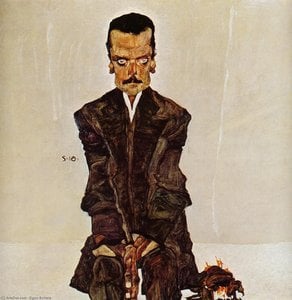
self-portrait standing 1910
복제본 크기
Egon Schiele’s “Self-Portrait Standing 1910” is not merely a depiction of an individual; it’s a raw, visceral expression of the artist’s tormented psyche. Painted during a period of intense personal and artistic struggle, this black and white photograph captures a moment of profound unease – a silent scream frozen on canvas. The image, often described as unsettling, immediately draws the viewer in with its subject's distorted features and precarious posture, hinting at a deep well of suppressed emotion.
Schiele’s style is instantly recognizable – characterized by elongated figures, sharp angles, and an almost violent distortion of the human form. In this self-portrait, he employs a technique that borders on caricature, exaggerating features to amplify their emotional impact. The subject's face is particularly arresting: his eyes are wide with what appears to be both fear and rage, while his mouth is contorted in a grimace, suggesting an unspoken threat or perhaps a desperate plea. The single-legged stance adds to the sense of instability and vulnerability, as if the figure is on the verge of collapse. The stark contrast between light and shadow further intensifies this feeling of unease, creating a dramatic and unsettling visual experience.
To fully appreciate “Self-Portrait Standing 1910,” it’s crucial to understand the context of Egon Schiele's life. Born in Vienna in 1890, Schiele endured a childhood marked by illness, loss, and instability. His father, a railway station master, succumbed to syphilis when Egon was just fourteen – a tragedy that profoundly shaped his artistic vision, fueling an obsession with mortality and the fragility of human existence. Raised under the watchful eye of his uncle, he developed a fiercely independent spirit, often clashing with authority figures. The early death of his sister Elvira further compounded his sense of loss and vulnerability. These formative experiences—coupled with his own struggles with sexuality and mental health—are palpable in his work, particularly evident in this self-portrait’s unsettling intensity.
The painting is laden with symbolic weight. The subject's nakedness speaks to vulnerability and exposure, while the distorted features suggest a struggle against internal demons. Some art historians interpret the single-legged stance as representing precariousness or imbalance – mirroring Schiele’s own turbulent life. The overall composition evokes a sense of claustrophobia and isolation, reflecting the artist’s feelings of alienation and despair. “Self-Portrait Standing 1910” is not simply a likeness; it's an unflinching portrayal of the human condition at its most vulnerable—a testament to Schiele’s ability to translate profound emotional pain into a powerfully evocative work of art. It invites contemplation on themes of mortality, identity, and the enduring struggle for self-expression.


1890 - 1918 , 오스트리아 크로아티아
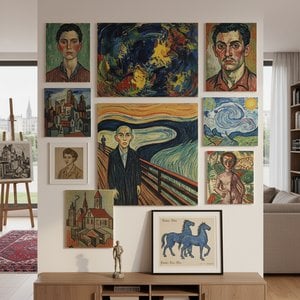
뭉크, 키르히너 등 거장들의 작품으로 표현주의 미술의 정수를 만나보세요. 강렬한 색채와 감정적 깊이가 깃든 명작 10선을 통해 예술의 세계를 탐험하고, WahooArt에서 고품질 아트 프린트를 소장하세요. 지금 바로 온라인 컬렉션을 확인하세요!

Explore 10 Expressionist paintings that revolutionized art! Discover Munch, Kirchner & Kandinsky's iconic works. Find museum-quality reproductions and vibrant canvas prints to elevate your home decor on WahooArt.com.

에곤 시엘레 최고 걸작 25선을 만나보세요. 표현주의 화가 시엘레의 삶과 죽음, 불안을 담은 인물화 작품들을 감상하고 그 의미를 탐구합니다. WahooArt에서 명작 복제본으로 예술적인 공간을 완성하세요. 지금 바로 컬렉션을 확인하세요!

Explore the emotionally charged world of Egon Schiele (1890-1918). Discover his Expressionist masterpieces, psychological themes, and lasting impact on modern art. A comprehensive guide for collectors & enthusiasts.

Explore the captivating world of introspective art! Discover how artists across eras – from Rembrandt to Kahlo – used self-portraiture to reveal their inner worlds and emotional depths. A journey through art history & psychology.


 미리보기
미리보기
 공유하기
공유하기 공유하기
공유하기
 상세 정보
상세 정보 가이드 보기

 다운로드
다운로드
 유사 작품
유사 작품 X-레이
X-레이 슬라이드 쇼
 통계 정보
통계 정보

 더 보기
더 보기









 유리 옵션은 110cm 미만 크기에서만 선택 가능합니다.