WatercolorWallArtExpressionist Style
 1913
1913 48.0 x 31.0 cm
빠른 제작과 다양한 마감 옵션을 선택할 수 있는 박물관 수준의 지클레이 및 캔버스 프린트. ( 수작업 채색 복제본 주문하기 디지털 이미지 판매 채널로 전환)





























작품의 원본 비율을 그대로 유지하는 프리셋 사이즈 중에서 선택해 보세요.

액자나 벽면 크기에 맞춰 필요한 가로와 세로 길이를 입력해 주세요. 프린트는 원본 이미지보다 크게 제작할 수 없으며 오직 자르는 것만 가능하므로, 비율이 다른 사이즈를 선택할 경우 이미지의 일부가 잘려 나갈 수 있습니다. 인쇄 작업에 들어가기 전, 최종 확인을 위해 디지털 목업을 보내드립니다. 이 페이지에 표시된 이미지는 실제 잘리는 영역을 나타내지 않으며, 오직 목업을 통해서만 정확한 확인이 가능합니다.
Rufer
복제본 규격
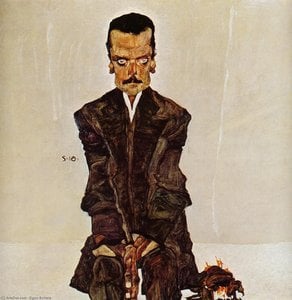
Egon Schiele's "Rufer," painted in 1913, isn’t merely a depiction of a man; it’s an immersion into the shadowed depths of the human psyche. This watercolor masterpiece, measuring a modest 48 x 31 cm, pulsates with the raw emotion characteristic of Schiele’s Expressionist style – a style forged in the crucible of personal tragedy and a profound understanding of mortality. The painting immediately draws the viewer in with its stark simplicity: a figure clad in a severe black suit, positioned centrally within a subtly defined space, his hands clasped together as if in silent contemplation or perhaps, a desperate plea. The muted palette – predominantly blues, greys, and browns – contributes to an atmosphere of restrained melancholy, while the deliberate use of loose brushstrokes and fragmented lines speaks volumes about Schiele’s rejection of academic precision in favor of conveying feeling directly.
Schiele's life was inextricably linked to themes of loss and suffering. The untimely death of his father, a victim of syphilis, profoundly impacted him, shaping an artistic sensibility that relentlessly confronted the fragility of existence. This trauma is palpably present in “Rufer.” The man’s downward gaze suggests introspection, perhaps even despair, while the tightly clasped hands could represent both a search for solace and a futile attempt to contain overwhelming emotions. The painting resonates with the broader anxieties of the early 20th century – a period marked by social upheaval, scientific advancements challenging traditional beliefs, and a growing awareness of human vulnerability. Schiele wasn’t simply portraying an individual; he was channeling the collective unease of his time.
The choice of watercolor is crucial to understanding “Rufer.” Unlike oil paints, which offer rich opacity and meticulous detail, watercolor possesses a remarkable ability to capture fleeting moments and convey subtle nuances of feeling. Schiele masterfully exploits this quality, allowing the colors to bleed and mingle, creating an ethereal and somewhat unstable effect. The transparency of the medium lends a sense of vulnerability to the subject, as if his inner world is slowly dissolving before our eyes. The loose application of paint mirrors the emotional turbulence at play – it’s not about precise representation but rather about capturing the *impression* of a profound internal state. It's a technique that amplifies the painting's inherent fragility and invites the viewer to connect with the subject on an intuitive level.
While seemingly straightforward, “Rufer” is laden with subtle symbolism. The man’s attire – the black suit – often represents authority, formality, or even a sense of confinement. The posture itself, with hands clasped together, can be interpreted as a gesture of prayer, reflection, or perhaps simply an attempt to impose order on chaos. Interestingly, Schiele's lifelong fascination with trains—a motif that frequently appeared in his work—can also be detected here, not visually, but through the suggestion of movement and journey within the figure’s stance. This echoes a recurring theme in his oeuvre: the human desire for travel, both physical and metaphorical, as a means of escaping or understanding one's place in the world.
“Rufer” is more than just a painting; it’s a poignant meditation on the complexities of the human condition. Egon Schiele’s ability to distill such profound emotion into a relatively small format is truly remarkable. A reproduction of this work, meticulously crafted by WahooArt.com, offers an unparalleled opportunity to experience the raw power and enduring beauty of Schiele's vision. It invites contemplation, sparking dialogue about mortality, loss, and the search for meaning in a world often characterized by uncertainty. Consider it not just as decoration, but as a window into the soul of one of art history’s most compelling figures.
에곤 실레은(는) 1913년에 "Rufer"을(를) 제작했습니다.
에곤 실레의 "Rufer"의 Portrait 형식은 Living Room에 추천합니다. 작품의 형식과 공간의 조화는 복제화 배치에 중요한 가이드가 됩니다.
"Rufer"의 형식은 Portrait이며, 원작의 크기는 48 x 31 cm입니다. 두 정보 모두 복제본 제작을 계획할 때 유용합니다.


1890 - 1918 , 오스트리아 크로아티아

Discover the ethereal beauty of premium watercolor reproductions and bespoke commissions at WahooArt. From museum-quality landscapes to custom AI-enhanced portraits, our master artists deliver unparalleled craftsmanship and white-glove service for discerning collectors worldwide.

Discover the ethereal beauty of watercolor through an art-historical lens. Master the delicate balance of light, fluidity, and pigment to capture the luminous essence of nature, inspired by the legendary techniques of the Old Masters and Impressionist greats.

 실제 크기로 보기
 보내기
보내기 공유하기
공유하기
 상세 보기
상세 보기 가이드 보기

 이미지 다운로드
 유사 작품 더 보기
 X-레이
X-레이 슬라이드 쇼 보기
 통계 정보
통계 정보 상세 보기
상세 보기









 유리 옵션은 110cm 미만 크기에서만 선택 가능합니다.