Oil On CanvasWallArtArt Nouveau
 1913Modern
 88.0 x 89.0 cm
빠른 제작과 다양한 마감 옵션을 선택할 수 있는 박물관 수준의 지클레이 및 캔버스 프린트. ( 수작업 채색 복제본 주문하기 디지털 이미지 판매 채널로 전환)





























작품의 원본 비율을 그대로 유지하는 프리셋 사이즈 중에서 선택해 보세요.

액자나 벽면 크기에 맞춰 필요한 가로와 세로 길이를 입력해 주세요. 프린트는 원본 이미지보다 크게 제작할 수 없으며 오직 자르는 것만 가능하므로, 비율이 다른 사이즈를 선택할 경우 이미지의 일부가 잘려 나갈 수 있습니다. 인쇄 작업에 들어가기 전, 최종 확인을 위해 디지털 목업을 보내드립니다. 이 페이지에 표시된 이미지는 실제 잘리는 영역을 나타내지 않으며, 오직 목업을 통해서만 정확한 확인이 가능합니다.
River Landscape
복제본 규격
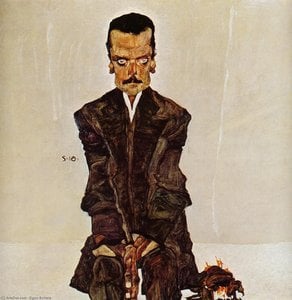
Egon Schiele, an Austrian Expressionist painter renowned for his emotionally charged portraits and landscapes, created the captivating oil on canvas painting titled River Landscape in 1913. This artwork is a quintessential representation of Art Nouveau influences blended with early Expressionist sensibilities, characterized by its emphasis on natural forms, flowing lines, and a palpable sense of introspection.
Measuring 88 x 89 cm, River Landscape presents a serene vista dominated by a gently winding river that carves through a valley. Towering mountains rise in the background, their peaks adorned with trees, creating a layered depth within the composition. The presence of two figures subtly integrated into the scene adds a human element to the otherwise tranquil environment, hinting at a narrative without explicitly defining it. Schiele’s use of color is deliberate; earthy tones dominate the foreground, contrasting with the cooler blues and purples of the distant mountains and sky. Bold brushstrokes contribute to the painting's dynamic energy, while the flattened perspective enhances its dreamlike quality.
Schiele’s artistic style in River Landscape reflects a departure from traditional representational art, embracing the expressive freedom of Expressionism. While influenced by Art Nouveau’s organic forms and flowing lines, Schiele infuses his work with a raw emotional intensity that is distinctly his own. The visible brushstrokes and textured surface demonstrate a direct engagement with the medium, conveying a sense of immediacy and authenticity. He utilizes layering techniques to build depth and create visual interest, while also employing atmospheric perspective to suggest distance in the mountainous backdrop. This combination of stylistic elements results in a painting that is both visually striking and emotionally resonant.
The Art Nouveau period, which preceded and influenced Schiele’s work, emphasized aesthetic beauty and natural motifs. However, Schiele's River Landscape moves beyond mere decorative representation, delving into deeper psychological territory. Created in the years leading up to World War I, the painting can be interpreted as reflecting a sense of underlying anxiety and uncertainty prevalent during that era. The river itself may symbolize the flow of life, while the mountains represent enduring strength and stability. The two figures within the landscape could embody human connection or isolation amidst the vastness of nature. The tree, reaching towards the sky, is often seen as a symbol of growth, resilience, and spiritual aspiration.
River Landscape evokes a sense of quiet contemplation and introspective melancholy. The painting’s subdued color palette and expressive brushwork create an atmosphere that is both calming and unsettling. Schiele's ability to capture the essence of nature while simultaneously conveying complex emotions makes this artwork a powerful testament to his artistic genius. The influence of Art Nouveau can be seen in various modern art movements, including Expressionism and Fauvism. Schiele’s work, particularly River Landscape, demonstrates the evolution of artistic styles over time and continues to inspire artists and collectors alike.
에곤 실레의 "River Landscape"의 저작권 정보: 해당 작품은 퍼블릭 도메인 - 저작권 보호 기간이 만료되었습니다 상태입니다. 이는 이미지 복제 가능 여부를 결정하는 기준이 됩니다.
에곤 실레의 "River Landscape"의 Square 형식은 Living Room에 추천합니다. 작품의 형식과 공간의 조화는 복제화 배치에 중요한 가이드가 됩니다.
"River Landscape"은(는) 1913년에 Oil On Canvas 기법으로 제작되었습니다.


1890 - 1918 , 오스트리아 크로아티아
Embark on a sophisticated journey through Austrian art history. Explore the golden brilliance of Gustav Klimt and the elegance of the Vienna Secession through an expert lens, celebrating the enduring soul of Central European masterpieces.

Embark on a sophisticated journey through the splendor of Austrian art. From Gustav Klimt’s golden masterpieces to the elegance of the Viennese Secession, discover the history and symbolism behind Europe's most iconic works for the discerning collector.

Discover the enduring legacy of oil on board painting. Explore how historical techniques, rich impasto textures, and structural durability create timeless masterpieces that bridge Renaissance grandeur with modern art collecting excellence.

Discover the profound allure of oil on canvas. Explore the mastery of impasto textures, the science of pigment longevity, and expert guides to selecting museum-quality reproductions that elevate your collection with timeless elegance and tactile depth.

Discover the enduring allure of oil on canvas. Explore how master techniques like impasto and glazing create the depth, texture, and emotional resonance found in the world's greatest masterpieces. An essential guide for fine art enthusiasts and discerning collectors.

 실제 크기로 보기
 보내기
보내기 공유하기
공유하기
 상세 보기
상세 보기 가이드 보기

 이미지 다운로드
 유사 작품 더 보기
 X-레이
X-레이 슬라이드 쇼 보기
 통계 정보
통계 정보 상세 보기
상세 보기









 유리 옵션은 110cm 미만 크기에서만 선택 가능합니다.