Acrylic On CanvasWallArtExpressionism
 1910
1910 29.0 x 19.0 cm
빠른 제작과 다양한 마감 옵션을 선택할 수 있는 박물관 수준의 지클레이 및 캔버스 프린트. ( 수작업 채색 복제본 주문하기 디지털 이미지 판매 채널로 전환)





























작품의 원본 비율을 그대로 유지하는 프리셋 사이즈 중에서 선택해 보세요.

액자나 벽면 크기에 맞춰 필요한 가로와 세로 길이를 입력해 주세요. 프린트는 원본 이미지보다 크게 제작할 수 없으며 오직 자르는 것만 가능하므로, 비율이 다른 사이즈를 선택할 경우 이미지의 일부가 잘려 나갈 수 있습니다. 인쇄 작업에 들어가기 전, 최종 확인을 위해 디지털 목업을 보내드립니다. 이 페이지에 표시된 이미지는 실제 잘리는 영역을 나타내지 않으며, 오직 목업을 통해서만 정확한 확인이 가능합니다.
Poem
복제본 규격
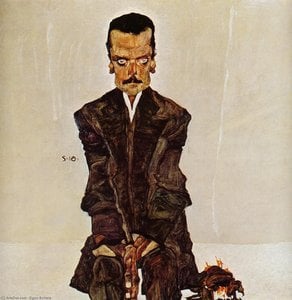
Egon Schiele’s “Poem,” completed in 1910, stands as a deceptively simple yet profoundly resonant testament to the artist's signature style and his preoccupation with themes of vulnerability and unspoken emotion. This unassuming watercolor—measuring 29 x 19 cm—captures a moment frozen in time: a sheet of paper bearing handwritten words, rendered in muted tones that amplify rather than diminish their impact.
The photograph itself presents a deliberate ambiguity. The blurry texture of the paper suggests age and preservation, hinting at a history unseen but felt nonetheless. It’s not merely an image of text; it's an emblem of communication—or perhaps its absence—a subtle invitation to contemplate what lies beneath the surface.
Schiele's work emerged during Vienna’s vibrant artistic milieu—a period marked by experimentation and a fervent embrace of Expressionism. Influenced heavily by Gustav Klimt, Schiele wrestled with anxieties surrounding sexuality, mortality, and the human condition. The painting reflects this broader cultural preoccupation with confronting uncomfortable truths about existence.
Vienna at the turn of the century was undergoing rapid social change—industrialization, urbanization, and burgeoning intellectual currents challenged traditional values. Artists like Schiele responded to these shifts by rejecting academic conventions in favor of emotionally charged imagery that prioritized subjective experience over objective representation. “Poem” embodies this spirit of rebellion against established norms.
The handwritten words on the paper are deliberately obscured, adding another layer of complexity to the artwork’s symbolic significance. They represent unspoken thoughts—perhaps desires, fears, or confessions—that remain hidden from view. This deliberate concealment underscores Schiele's fascination with psychological depth and his ability to convey emotion through visual suggestion.
The paper itself serves as a metaphor for fragility—a vulnerable surface bearing the marks of time and experience. Like Schiele’s own life, “Poem” confronts us with the inevitability of decay and loss, prompting contemplation on the ephemeral nature of beauty and consciousness. It's a piece that lingers in the mind long after viewing, inviting repeated observation and rewarding careful consideration.
에곤 실레은(는) 20세에 "Poem"을(를) 제작했습니다. 작가는 1890년에 태어났으며, 이 작품의 제작 연도는 1910년입니다.
에곤 실레의 "Poem"의 색상은 Muted 정도의 채도를 띱니다. 채도는 색상이 얼마나 선명하거나 차분한지를 나타냅니다.
"Poem"은(는) 에곤 실레의 예술적 생애 중 Mature Period 시기에 해당합니다. 이 분류는 해당 작품을 작가의 예술적 발전 과정과 연결해 줍니다.


1890 - 1918 , 오스트리아 크로아티아
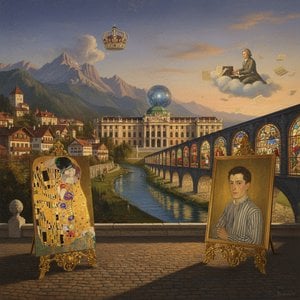
Embark on a sophisticated journey through Austrian art history. Explore the golden brilliance of Gustav Klimt and the elegance of the Vienna Secession through an expert lens, celebrating the enduring soul of Central European masterpieces.

Explore the profound world of Figurative Expressionism. Discover how masters like Munch and Schiele use the human form to convey raw emotion, and learn how to curate these evocative, museum-quality masterpieces for your private collection.

Embark on a sophisticated journey through the splendor of Austrian art. From Gustav Klimt’s golden masterpieces to the elegance of the Viennese Secession, discover the history and symbolism behind Europe's most iconic works for the discerning collector.

 실제 크기로 보기
 보내기
보내기 공유하기
공유하기
 상세 보기
상세 보기 가이드 보기

 이미지 다운로드
 유사 작품 더 보기
 X-레이
X-레이 슬라이드 쇼 보기
 통계 정보
통계 정보 상세 보기
상세 보기









 유리 옵션은 110cm 미만 크기에서만 선택 가능합니다.