Oil On CanvasWallArtExpressionist Style
 1915Early Medieval
 109.0 x 140.0 cm
원하는 크기와 액자로 주문 제작되는, 작가들이 직접 캔버스에 손으로 그린 유화 작품입니다. ( 프린트 판매로 전환 디지털 이미지로 전환)





























작품의 원본 비율을 유지하는 미리 설정된 크기 중에서 선택하세요.

특정 프레임이나 공간에 맞도록 직접 크기를 입력할 수 있습니다. 선택하신 크기가 원본 이미지의 비율과 일치하지 않는 경우, 작품을 자르거나 추가적인 손으로 그린 요소를 사용하여 그림을 확장합니다. 제작 시작 전 승인을 위해 디지털 목업을 보내드립니다.
화면 미리 보기는 실제 자르기 또는 확장을 반영하지 않습니다. 최종 구성은 목업을 통해서만 정확하게 확인하실 수 있습니다.
맞춤 크기 제작도 가능하지만, 원본 비율을 유지하기 위해 사전 정의된 목록에서 크기를 선택하시는 것을 권장합니다.

Krumau Town Crescent I
복제본 크기
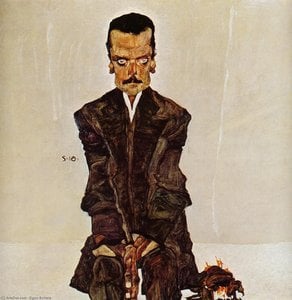
Egon Schiele's *Krumau Town Crescent I*, painted in 1915, isn’t merely a depiction of a provincial Austrian town; it’s a raw, intensely personal exploration of mortality, isolation, and the quiet dignity of everyday life. This oil on canvas, measuring a substantial 109 x 140 cm, currently resides within the Israel Museum in Jerusalem, yet its power transcends geographical boundaries, resonating with viewers across generations. Schiele’s signature style—a potent blend of Art Nouveau fluidity and Expressionist angst—is immediately apparent. Bold, almost violent lines carve through the canvas, defining the skeletal forms of buildings and hinting at the underlying tension within the scene. The colors are deliberately muted, dominated by earthy browns, ochres, and a startlingly vibrant red that draws the eye to a single, prominent building – a beacon amidst the decay.
Schiele’s meticulous technique is both unsettling and captivating. He employs a rapid, almost frantic brushstroke, layering paint with an urgency that suggests he was attempting to capture a fleeting moment, a fragile memory. The composition itself is deliberately skewed, creating a sense of unease and disorientation. The buildings aren't rendered realistically; instead, they possess a slightly distorted quality, as if viewed through the lens of anxiety or grief. Notice how Schiele uses light and shadow not to create depth, but rather to emphasize the angularity and vulnerability of the structures. The figures within the town – a few individuals glimpsed going about their daily routines – are rendered with an almost clinical detachment, further contributing to the overall feeling of isolation. The red-roofed building, strategically placed, acts as a focal point, perhaps symbolizing a fleeting moment of warmth or vitality against the backdrop of decline.
Painted in 1915, *Krumau Town Crescent I* is inextricably linked to the tumultuous period of early 20th-century Austria. Schiele’s life was profoundly shaped by personal tragedy – the untimely deaths of his father (due to syphilis) and sister Elvira cast a long shadow over his work. This preoccupation with mortality, coupled with the social unrest brewing in Europe at the time, permeates the painting's atmosphere. The dilapidated state of the town itself can be interpreted as a metaphor for the crumbling Austro-Hungarian Empire, reflecting a sense of decay and uncertainty. The artist’s own struggles with illness further fueled his exploration of fragility and the ephemeral nature of existence – themes powerfully conveyed through the somber palette and unsettling composition.
Beyond its immediate visual impact, *Krumau Town Crescent I* is rich with symbolic meaning. The train motif, a recurring element in Schiele’s work, represents both movement and isolation – the relentless forward march of time juxtaposed against the stillness of the town. The figures within the painting are not portraits in the traditional sense; they represent humanity stripped bare, confronting their own mortality. The red roofed building, often associated with churches or civic structures, could symbolize a fading faith or a crumbling authority. Ultimately, Schiele doesn’t offer easy answers or comforting resolutions. Instead, he presents us with a poignant and unsettling meditation on the human condition – a timeless exploration of loss, loneliness, and the enduring power of art to confront difficult truths.
A high-quality reproduction of *Krumau Town Crescent I* offers a remarkable opportunity to bring this intensely evocative artwork into your home or office. Its dramatic composition and emotionally charged atmosphere will undoubtedly spark conversation and contemplation, serving as a powerful reminder of Egon Schiele’s legacy as one of the most significant figures in modern art.


1890 - 1918 , 오스트리아 크로아티아

Discover the enduring allure of hand-painted oil reproductions. WahooArt offers museum-quality, archival masterpieces designed for discerning collectors seeking timeless beauty and a lasting legacy. Invest in fine art that transcends generations with our expert craftsmanship.

Discover the enduring legacy of oil on board painting. Explore how historical techniques, rich impasto textures, and structural durability create timeless masterpieces that bridge Renaissance grandeur with modern art collecting excellence.

Explore the profound secrets of classical oil painting. From the delicate mastery of glazing to the dramatic depth of chiaroscuro, discover the timeless techniques used by Old Masters to create enduring, museum-quality masterpieces that capture light and emotion.

Discover the enduring allure of oil on canvas. Explore how master techniques like impasto and glazing create the depth, texture, and emotional resonance found in the world's greatest masterpieces. An essential guide for fine art enthusiasts and discerning collectors.

Discover the profound allure of oil on canvas. Explore the mastery of impasto textures, the science of pigment longevity, and expert guides to selecting museum-quality reproductions that elevate your collection with timeless elegance and tactile depth.


 미리보기
미리보기
 공유하기
공유하기 공유하기
공유하기
 상세 정보
상세 정보 가이드 보기

 다운로드
다운로드
 유사 작품
유사 작품 X-레이
X-레이 슬라이드 쇼
 통계 정보
통계 정보 더 보기
더 보기









 유리 옵션은 110cm 미만 크기에서만 선택 가능합니다.