Oil On CanvasWallArtEarly Art Nouveau
 1907
1907 25.0 x 18.0 cm
빠른 제작과 다양한 마감 옵션을 제공하는 박물관 품질의 지클레이 또는 캔버스 프린트. ( 손으로 그린 그림 구매 디지털 이미지로 전환)





























작품의 원본 비율을 유지하는 미리 설정된 크기 중에서 선택하세요.

특정 프레임이나 공간에 맞춰 직접 치수를 입력하실 수 있습니다. 선택하신 사이즈가 원본 이미지의 비율과 일치하지 않을 경우, 작품을 크롭(자르기)하거나 이미지를 대칭 또는 단색 채우기로 확장하여 제작합니다. 제작 시작 전, 최종 확인을 위해 디지털 목업이 전송됩니다.
화면상의 미리보기는 실제 크롭이나 확장 상태를 반영하지 않으므로, 최종 구도는 오직 목업을 통해서만 정확하게 확인하실 수 있습니다.
맞춤 사이즈 제작도 가능하지만, 원본 비율을 유지하기 위해서는 사전 정의된 목록에서 치수를 선택하시는 것을 권장합니다.

Harbor of Trieste
복제본 크기
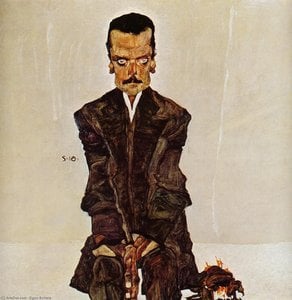
Egon Schiele's "Harbor of Trieste," painted in 1907, isn’t merely a depiction of a seaside scene; it’s a distilled essence of melancholy and observation, a poignant snapshot captured by an artist grappling with the complexities of life and death. This intimate oil painting, measuring just 25 x 18 cm, offers a rare glimpse into Schiele's burgeoning artistic voice during his early explorations of Art Nouveau – a style he subtly subverted to express his intensely personal vision. The scene unfolds within the tranquil waters of Trieste’s harbor, yet beneath the surface serenity lies an undercurrent of quiet contemplation, reflecting the artist’s own internal struggles.
The composition immediately draws the eye to a cluster of boats – each bearing the marks of time and use, suggesting journeys undertaken and stories untold. These vessels aren't presented as grand or imposing; rather, they are humble participants in a larger, timeless narrative. A solitary figure stands near the center of the canvas, partially obscured by shadow, adding an element of mystery and inviting speculation about their purpose – perhaps tending to a boat, lost in thought, or simply observing the scene with a quiet sadness. This deliberate isolation is central to the painting’s power; it mirrors Schiele's own sense of detachment from the world, a feeling intensified by his personal tragedies.
Schiele’s early work demonstrates a clear affinity with Art Nouveau, evident in the flowing lines that define the boats' hulls and the subtle curves of the water. However, he departs from the decorative excesses often associated with the style, opting instead for a more restrained and emotionally charged approach. The palette is muted – predominantly blues, greys, and browns – creating an atmosphere of subdued light and shadow. These colors aren’t vibrant or celebratory; they evoke a sense of quiet introspection and perhaps even a hint of decay, mirroring the themes of mortality that would become increasingly prominent in Schiele's later work. The brushstrokes themselves are loose and expressive, contributing to the painting’s overall feeling of immediacy and vulnerability.
Beyond its formal elements, “Harbor of Trieste” is rich in symbolic meaning. The harbor itself can be interpreted as a metaphor for life – a place of arrival, departure, and transition. The boats represent journeys, both literal and metaphorical, while the solitary figure embodies the human condition: vulnerable, searching, and ultimately alone. Schiele’s fascination with death, fueled by his father's illness and subsequent loss, is palpable in the painting’s somber mood and its exploration of isolation. It’s a work that doesn’t offer easy answers but instead invites viewers to contemplate their own place within the larger tapestry of existence. The subtle suggestion of decay on some of the boats hints at the inevitable passage of time and the fragility of beauty, themes deeply ingrained in Schiele's artistic sensibility.
A hand-painted oil reproduction of "Harbor of Trieste" offers a remarkable opportunity to bring this evocative artwork into your home. WahooArt meticulously recreates Schiele’s delicate brushwork and nuanced color palette, ensuring that every detail is faithfully rendered. This isn't simply a print; it’s an authentic piece of art history, capable of evoking the same sense of quiet contemplation and emotional depth as the original. Consider this reproduction not just as decoration, but as a window into the soul of one of modern art’s most compelling figures – a reminder to appreciate the beauty in stillness and the profound questions that lie beneath the surface of everyday life. Explore other Schiele masterpieces on our site.


1890 - 1918 , 오스트리아 크로아티아

Discover the enduring allure of hand-painted oil reproductions. WahooArt offers museum-quality, archival masterpieces designed for discerning collectors seeking timeless beauty and a lasting legacy. Invest in fine art that transcends generations with our expert craftsmanship.

Explore the profound secrets of classical oil painting. From the delicate mastery of glazing to the dramatic depth of chiaroscuro, discover the timeless techniques used by Old Masters to create enduring, museum-quality masterpieces that capture light and emotion.

Discover the enduring legacy of oil on board painting. Explore how historical techniques, rich impasto textures, and structural durability create timeless masterpieces that bridge Renaissance grandeur with modern art collecting excellence.

Discover the enduring allure of oil on canvas. Explore how master techniques like impasto and glazing create the depth, texture, and emotional resonance found in the world's greatest masterpieces. An essential guide for fine art enthusiasts and discerning collectors.

Discover the profound allure of oil on canvas. Explore the mastery of impasto textures, the science of pigment longevity, and expert guides to selecting museum-quality reproductions that elevate your collection with timeless elegance and tactile depth.


 미리보기
미리보기
 공유하기
공유하기 공유하기
공유하기
 상세 정보
상세 정보

 다운로드
다운로드
 유사 작품
유사 작품 X-레이
X-레이 슬라이드 쇼
 통계 정보
통계 정보 더 보기
더 보기









 유리 옵션은 110cm 미만 크기에서만 선택 가능합니다.