빠른 제작과 다양한 마감 옵션을 선택할 수 있는 박물관 수준의 지클레이 및 캔버스 프린트. ( 수작업 채색 복제본 주문하기 디지털 이미지 판매 채널로 전환)





























작품의 원본 비율을 그대로 유지하는 프리셋 사이즈 중에서 선택해 보세요.

특정 프레임이나 공간에 맞춰 직접 치수를 입력하실 수 있습니다. 선택하신 사이즈가 원본 이미지의 비율과 일치하지 않을 경우, 작품을 크롭(자르기)하거나 이미지를 대칭 또는 단색 채우기로 확장하여 제작합니다. 제작 시작 전, 최종 확인을 위해 디지털 목업이 전송됩니다.
화면상의 미리보기는 실제 크롭이나 확장 상태를 반영하지 않으므로, 최종 구도는 오직 목업을 통해서만 정확하게 확인하실 수 있습니다.
맞춤 사이즈 제작도 가능하지만, 원본 비율을 유지하기 위해서는 사전 정의된 목록에서 치수를 선택하시는 것을 권장합니다.

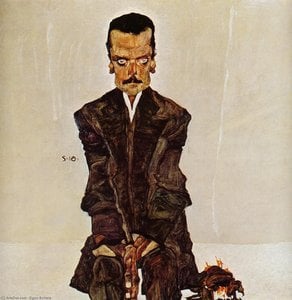
Composition with Three Male Figures (Self Portrait)
복제본 규격
Egon Schiele’s “Composition with Three Male Figures (Self Portrait),” painted in 1911, stands as a cornerstone of Austrian Expressionism and a profoundly unsettling meditation on the human condition. More than just a depiction of the artist himself—a rare self-portrait for Schiele—the painting delves into themes of vulnerability, isolation, and the raw confrontation with death. To gaze upon this work is to enter a psychological landscape where the boundaries between the physical body and the turbulent soul begin to dissolve. The composition presents three men in striking red clothing, arranged in a dynamic, almost precarious stack, with one figure positioned atop the others. This arrangement creates an immediate sense of tension, drawing the viewer into a scene that feels both deeply personal and universally haunting.
The technical mastery of Schiele is evident in his departure from the soft, light-filled nuances of Impressionism toward a much more visceral approach. His style is immediately recognizable through its bold simplification of form and a heavy application of impasto. This thick, textured surface allows the paint to physically protrude from the canvas, lending a palpable weight to the figures' presence. Schiele employs vibrant, aggressive reds that dominate the palette, creating a striking visual impact that demands attention. The angular, often jagged poses of the subjects contribute to an overall sense of unease and movement, mirroring the artist’s own preoccupation with psychological intensity and the nervous energy of the modern era.
Within this masterpiece, color serves as a profound symbolic language rather than mere decoration. The dominant red hue is particularly potent; it acts as a multifaceted symbol representing passion and desire, yet it simultaneously evokes the imagery of blood—a stark and inescapable reminder of mortality and decay. This duality is central to Schiele’s vision, where beauty and anguish are inextricably intertwined. While the figures are rendered with meticulous attention to detail, their facial expressions convey profound sadness and apprehension, inviting the observer to contemplate the fragility of life itself.
The historical context of the piece further enriches its meaning. Created during a period of intense artistic experimentation and intellectual ferment in Vienna, the work reflects the broader anxieties of the burgeoning modernist movement. Schiele’s vision was undoubtedly shaped by the Symbolist pioneers such as Edvard Munch and Odilon Redon, whose explorations of psychological states paved the way for his Expressionist aesthetic. For the discerning collector or interior designer, this painting offers more than just a visual centerpiece; it provides a window into an era of profound discovery, making it an ideal acquisition for those looking to infuse a space with intellectual depth and emotional resonance.
For those seeking to curate a collection that speaks to the complexities of human emotion, a high-quality reproduction of this work offers an unparalleled opportunity. The painting’s bold color palette and dramatic composition make it a versatile choice for sophisticated interiors, capable of anchoring a room with its commanding presence. Whether placed in a contemporary gallery setting or a more traditional study, the piece serves as a conversation starter, prompting reflections on the enduring power of Expressionism.
Owning a reproduction of Schiele’s work allows one to live alongside the "unvarnished pulse of the human soul." It is an invitation to witness the tremors of anxiety and the beauty of existence every day. As a piece of art, it does not merely decorate a wall; it transforms a space into a sanctuary for contemplation, much like the legendary museums that house Schiele's original treasures.


1890 - 1918 , 오스트리아 크로아티아
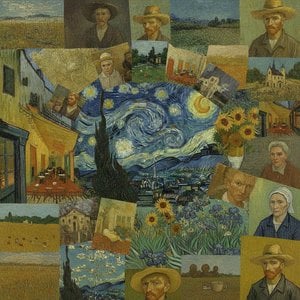
Immerse yourself in the vibrant world of Vincent van Gogh. Explore 25 iconic Post-Impressionist masterpieces, from Starry Night to Sunflowers. Discover the stories and techniques behind these timeless works and find museum-quality art reproductions on WahooArt.com.
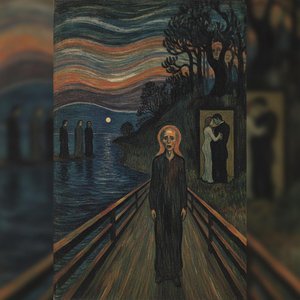
Journey through the raw emotion of Expressionism with our curated guide to Edvard Munch's top 25 masterpieces. Explore the stories behind his most iconic works and find museum-quality art reproductions for your collection. Discover all masterpieces on WahooArt.com.

Immerse yourself in the vibrant world of Alexej von Jawlensky. Explore 25 iconic Expressionist masterpieces, from emotive portraits to bold colors. Find inspiration for your collection with museum-quality art reproductions at WahooArt.com. Discover all masterpieces online.

Immerse yourself in the raw emotion of Egon Schiele. Explore 25 iconic Expressionist masterpieces, from haunting self-portraits to profound sketches. Find museum-quality art reproductions and curated decor inspiration. Discover all masterpieces on WahooArt.com.
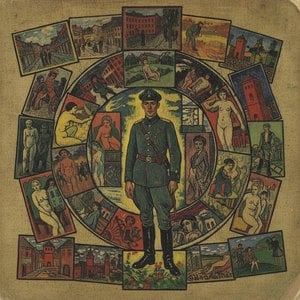
Immerse yourself in the raw emotion of German Expressionism. Explore 25 iconic masterpieces by Ernst Ludwig Kirchner, from bold street scenes to vibrant landscapes. Find inspiration for museum-quality art reproductions and decor. Discover all masterpieces on WahooArt.com.

 실제 크기로 보기
 보내기
보내기 공유하기
공유하기
 상세 보기
상세 보기 가이드 보기

 이미지 다운로드
 유사 작품 더 보기
 X-레이
X-레이 슬라이드 쇼 보기
 통계 정보
통계 정보

 상세 보기
상세 보기









 유리 옵션은 110cm 미만 크기에서만 선택 가능합니다.