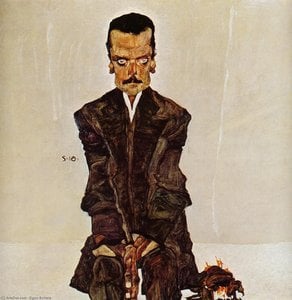
빠른 제작과 다양한 마감 옵션을 선택할 수 있는 박물관 수준의 지클레이 및 캔버스 프린트. ( 수작업 채색 복제본 주문하기 디지털 이미지 판매 채널로 전환)





























작품의 원본 비율을 그대로 유지하는 프리셋 사이즈 중에서 선택해 보세요.

액자나 벽면 크기에 맞춰 필요한 가로와 세로 길이를 입력해 주세요. 프린트는 원본 이미지보다 크게 제작할 수 없으며 오직 자르는 것만 가능하므로, 비율이 다른 사이즈를 선택할 경우 이미지의 일부가 잘려 나갈 수 있습니다. 인쇄 작업에 들어가기 전, 최종 확인을 위해 디지털 목업을 보내드립니다. 이 페이지에 표시된 이미지는 실제 잘리는 영역을 나타내지 않으며, 오직 목업을 통해서만 정확한 확인이 가능합니다.
agony 1912
복제본 규격
In the hauntingly monochrome landscape of Egon Schiele’s 1912 masterpiece, Agony, we are not merely observers of a scene, but witnesses to an unflinching confrontation with primal fear and psychological torment. This work stands as a profound pillar of Austrian Expressionism, a movement that sought to strip away the polished veneers of academic tradition to reveal the raw, often unsettling truths of the human condition. Through his mastery of line and contrast, Schiele captures a moment of intense vulnerability, inviting the viewer into a space where the boundaries between physical sensation and emotional suffering begin to dissolve.
The composition is deliberately unsettling, designed to provoke a sense of unease that lingers long after one has turned away. At the heart of the canvas, two men dominate the frame in a display of profound tension. One figure kneels in apparent submission, his posture conveying a deep-seated vulnerability, while another stands above him, hands gripping the kneeling man's head with a force that suggests an act of aggression or overwhelming psychological pressure. This dynamic interplay of power and control is a recurring motif in Schiele’s oeuvre, yet here it reaches a fever pitch of dramatic intensity.
Schiele’s technique in Agony is a testament to the expressive potential of the monochrome palette. By eschewing color, he heightens the dramatic effect, using bold contrasts of black and white to amplify the oppressive atmosphere. The figures are rendered with the characteristic angular lines and unsettling proportions that define Schiele's style; these distortions are not mere stylistic choices but essential tools used to convey inner turmoil rather than a realistic likeness. Every jagged edge and sharp contour serves to emphasize the psychological drama unfolding before our eyes.
Beyond the central figures, the painting is layered with subtle complexities that deepen its symbolic resonance. The presence of smaller figures scattered throughout the scene adds a sense of chaotic depth, suggesting a world in flux. A book placed near one of the men introduces an intellectual or perhaps even spiritual dimension to the struggle, hinting at the weight of knowledge or tradition amidst the chaos. This interplay of elements creates a dynamic and captivating composition that challenges the viewer to look past the surface and engage with the deeper, more turbulent layers of meaning embedded within the work.
For the discerning collector or interior designer, Agony offers much more than a striking visual presence; it provides an emotional anchor. The painting’s ability to evoke profound feelings of empathy, tension, and introspection makes it a powerful centerpiece for any curated space. It is a work that demands attention, sparking dialogue and reflection on themes of mortality, power, and the fragility of existence.
Owning a high-quality reproduction of this seminal work allows one to bring the intense energy of early twentieth-century Viennese modernism into a contemporary setting. Whether placed in a gallery-style living room or a contemplative study, the stark beauty and psychological depth of Schiele’s Agony serve as a constant reminder of the enduring power of art to confront the darkest corners of the human soul and find truth within the shadows.
에곤 실레의 "agony 1912"의 Landscape 형식은 Living Room에 추천합니다. 작품의 형식과 공간의 조화는 복제화 배치에 중요한 가이드가 됩니다.
Dramatic 분위기를 자아내는 "agony 1912"은(는) Living Room에 추천합니다.
에곤 실레의 "agony 1912"은(는) 밝은 부분과 어두운 부분 사이의 Gentle 대비를 보여줍니다.


1890 - 1918 , 오스트리아 크로아티아

Journey through time with 10 iconic black and white photography masterpieces. Explore the stories, techniques, and legends that redefined art history. Find museum-quality reproductions and timeless decor inspiration at WahooArt.com. Discover all masterpieces on WahooArt.com

Discover the timeless allure of monochrome art. From the dramatic chiaroscuro of Old Masters to contemporary grayscale impasto, explore how grayscale works bring sophisticated elegance and architectural depth to luxury interiors. Expertly curated for the discerning collector.

Immerse yourself in the raw emotion of German Expressionism. Explore 25 iconic masterpieces by Ernst Ludwig Kirchner, from bold street scenes to vibrant landscapes. Find inspiration for museum-quality art reproductions and decor. Discover all masterpieces on WahooArt.com.
Journey through the raw emotion of Expressionism with our curated guide to Edvard Munch's top 25 masterpieces. Explore the stories behind his most iconic works and find museum-quality art reproductions for your collection. Discover all masterpieces on WahooArt.com.

Immerse yourself in the raw emotion of Egon Schiele. Explore 25 iconic Expressionist masterpieces, from haunting self-portraits to profound sketches. Find museum-quality art reproductions and curated decor inspiration. Discover all masterpieces on WahooArt.com.

 실제 크기로 보기
 보내기
보내기 공유하기
공유하기
 상세 보기
상세 보기 가이드 보기

 이미지 다운로드
 유사 작품 더 보기
 X-레이
X-레이 슬라이드 쇼 보기
 통계 정보
통계 정보

 상세 보기
상세 보기









 유리 옵션은 110cm 미만 크기에서만 선택 가능합니다.