미리보기미리보기 AR 미리보기AR 미리보기 손으로 그린 그림 구매 손으로 그린 그림 구매이미지 구매 이미지 구매 공유하기공유하기
상세 정보상세 정보 즐겨찾기에 추가 즐겨찾기에 추가 다운로드다운로드 유사 작품유사 작품 X-레이X-레이 슬라이드 쇼슬라이드 쇼

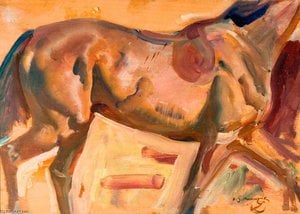
The Undefeated Asteroid

Edward Troye’s "The Undefeated Asteroid" (1864) showcases astonishing anatomical detail of a bay horse meticulously groomed by enslaved men in antebellum Virginia, revealing a poignant social commentary through masterful realism and scientific observation – discover this significant equine artwork.

Edward Troye (1808-1874): Swiss artist famed for accurate horse paintings – American Great Plains & Southern thoroughbreds. Author of 'Race Horses of America'.

지클레 / 아트 프린트

빠른 제작과 다양한 마감 옵션을 제공하는 박물관 품질의 지클레이 또는 캔버스 프린트. (손으로 그린 그림 구매 손으로 그린 그림 구매이미지 구매 이미지 구매)

P118B $10
P118H $10
P118W $10
P438Z $10
P508JH $12
P508YH $12
P805H $10
P805Z $10
P919BZ $10
P919G $10
P919XJ $10
P959ZH $10
P968JZ $12
W106C $8
W218G $10
W218JH $8
W218Y $10
W307PJ $10
W316G $10
W316PJ $8
W316Y $10
W398PJ $8
W4111J $10
W500HY $15
W500JH $15
W692G $12
W849H $8
W940BG $15
W953PJ $8

표준 규격
맞춤형
CM
INCH

작품의 원본 비율을 유지하는 미리 설정된 크기 중에서 선택하세요.

가로 너비
세로 길이

특정 프레임이나 공간에 맞춰 직접 치수를 입력하실 수 있습니다. 선택하신 사이즈가 원본 이미지의 비율과 일치하지 않을 경우, 작품을 크롭(자르기)하거나 이미지를 대칭 또는 단색 채우기로 확장하여 제작합니다. 제작 시작 전, 최종 확인을 위해 디지털 목업이 전송됩니다.
화면상의 미리보기는 실제 크롭이나 확장 상태를 반영하지 않으므로, 최종 구도는 오직 목업을 통해서만 정확하게 확인하실 수 있습니다.
맞춤 사이즈 제작도 가능하지만, 원본 비율을 유지하기 위해서는 사전 정의된 목록에서 치수를 선택하시는 것을 권장합니다.

전 세계 배송()은 일반적인 4~5주의 소요 기간 대신 2주 이내에 완료됩니다. (6 9월)

why_choose_icon
전 세계 무료 특급 배송
why_choose_icon
프리미엄 린넨 캔버스
why_choose_icon
전체 배송 보험 보장
why_choose_icon
관세 환불 보장
why_choose_icon
실제 색상 일치 보장
why_choose_icon
100일 이내 반품 정책 (제조 결함 시)
why_choose_icon
100% 환불 보장
why_choose_icon
다량 구매 할인 혜택

총 합계 금액

$ 68

reproduction

The Undefeated Asteroid

지클레 / 아트 프린트

복제본 크기

-

최종 결제 금액

$ 68

작품 정보 요약

  • Artistic style: Realism
  • Title: The Undefeated Asteroid
  • Medium: Oil on Canvas
  • Movement: Romanticism
  • Location: Private Collection
  • Subject or theme: Horse Portraiture
  • Notable elements or techniques: Detailed equine anatomy

The Undefeated Asteroid – A Portrait of Equestrian Dignity

Edward Troye’s “The Undefeated Asteroid,” painted in 1864, transcends mere equine representation; it embodies the spirit of a bygone era and speaks volumes about social dynamics within the American South during the antebellum period. This monumental canvas captures a pivotal moment – the meticulous grooming of a magnificent bay horse by two enslaved men—a scene meticulously rendered with unparalleled realism that continues to fascinate art historians and collectors alike.

A Masterclass in Anatomical Detail

Troye’s artistic prowess lies not just in capturing the beauty of the horse but in achieving an astonishing level of anatomical accuracy. Unlike many artists of his time who prioritized idealized forms, Troye relentlessly pursued truthfulness. He painstakingly dissected musculature, meticulously documented bone structure, and rendered every subtle nuance of equine anatomy with breathtaking precision. This dedication to scientific observation—a hallmark of animalier art—elevates “The Undefeated Asteroid” beyond a simple depiction of animals; it becomes a testament to Troye’s mastery of technique and his unwavering commitment to portraying subjects faithfully. The artist skillfully employed oil paints on canvas, layering thin glazes to build up tonal depth and creating textures that convincingly mimic the feel of horsehair and muscle fibers.

Historical Context: Racehorses and Slavery in Antebellum Virginia

The painting's significance extends far beyond its artistic merits. It exists within a complex sociohistorical framework—the burgeoning popularity of Thoroughbred racing in Virginia during the 1860s, coupled with the pervasive institution of slavery. The horse depicted is owned by John Minor Botts III, a wealthy planter and prominent figure in Richmond society. His stables employed enslaved men who cared for his horses, highlighting the intertwined roles of labor and leisure within the Southern economy. Troye’s portrayal isn't merely aesthetically pleasing; it serves as a visual record of this era—a poignant reminder of the human cost associated with economic prosperity. The inclusion of African American jockeys underscores the racial inequalities prevalent at the time, presenting them not as mere accessories to the horse but as integral participants in its care and success.

Symbolism: Resilience Amidst Oppression

“The Undefeated Asteroid” carries profound symbolic weight. The horse itself represents strength, nobility, and perseverance—qualities mirrored in the dignified postures of Botts’ attendants. Despite their subjugation under oppressive conditions, these men exhibit unwavering dedication to their craft and a palpable respect for their animal companion. Troye's deliberate framing—the stark contrast between the lush foliage surrounding the horse and the barren tree trunks—further amplifies this symbolism. It suggests that beauty and vitality can endure even in environments marked by hardship and deprivation. The gaze of Botts’ men, turned outward with thoughtful contemplation, speaks to a quiet dignity—a refusal to succumb to despair amidst adversity.

Emotional Impact: A Moment Frozen in Time

Ultimately, Troye's masterpiece evokes a powerful emotional response. It compels viewers to confront the uncomfortable realities of slavery while simultaneously appreciating the artistry and skill involved in its creation. The painting’s meticulous detail invites contemplation—encouraging us to consider not only the visual beauty but also the broader narrative it conveys about human dignity and resilience. “The Undefeated Asteroid” remains a hauntingly beautiful reminder of a specific historical moment, forever enshrined in oil paint on canvas as an enduring symbol of artistic excellence and social commentary.

작가 약력

Edward Troye: A Life Dedicated to Equine Art

Edward Troye (1808-1874) was a Swiss-born artist who became celebrated for his remarkably accurate and detailed depictions of American horses, particularly those of the Great Plains and Southern thoroughbreds. His work provides invaluable insight into equine history during a period before widespread photography.

Early Life and Origins

Born in Lannes, Switzerland, in 1808, details regarding Troye’s early artistic training remain scarce. He eventually emigrated to the United States, establishing himself as an artist specializing in horses – a subject that would define his career.

Artistic Development and Style

Troye's style is characterized by its meticulous realism and attention to anatomical detail. He wasn’t concerned with romanticizing or idealizing his subjects; instead, he focused on capturing the true essence of each horse – their musculature, conformation, and individual character. His paintings served as both artistic representations and valuable records of breeding lines and physical traits.

Subjects and Themes

  • Thoroughbreds: Troye frequently painted Southern United States thoroughbreds before the American Civil War, documenting prominent racehorses and their lineages.
  • Great Plains Horses: He is equally known for his depictions of horses native to the American Great Plains, capturing their wild spirit and rugged beauty.
  • Portraits: While primarily a horse painter, Troye also created portraits, often incorporating horses into the composition.

Major Achievements and Rediscovery

Troye’s most significant achievement lies in creating a visual record of American equine history during a crucial period. He authored Race Horses of America (1867), further solidifying his commitment to documenting these magnificent animals.

Interestingly, Troye's work remained largely unknown outside a small circle until 1912. Since then, over 300 of his paintings have been rediscovered and photographed, revealing the breadth and depth of his artistic output.

Influences

Information regarding specific artistic influences on Troye is limited. However, his dedication to realism suggests an appreciation for earlier masters who prioritized accurate representation. His work also reflects a growing interest in scientific observation during the 19th century.

Historical Significance

Edward Troye’s paintings are invaluable historical documents. They provide researchers and enthusiasts with detailed visual information about horse breeds, conformation, and breeding practices of the 19th century. His work offers a unique glimpse into a bygone era, preserving the legacy of these magnificent animals for future generations.

Later Life and Legacy

Troye spent his later years residing in Kentucky, near his friend Keen Richards. He passed away from pneumonia on July 25, 1874, and is buried in Georgetown Cemetery with his wife and grandson. Today, his paintings are highly sought after by collectors and museums, ensuring that his artistic legacy continues to thrive.

Edward Troye

Edward Troye

1808 - 1874 , Switzerland

주요 정보

  • Birth Date: 1808
  • Birth Place: Lannes, Switzerland
  • Death Date: 1874
  • Movement: Animal painting, Historical art
  • Name: Edward Troye
  • Nationality: Swiss
  • Notable Works: Race Horses of America, Portrait of John Hartwell Cocke II of Bremo, The Undefeated Asteroid