
원하는 크기와 액자로 주문 제작되는, 작가들이 직접 캔버스에 손으로 그린 유화 작품입니다. ( 프린트 판매로 전환 디지털 이미지로 전환)





























작품의 원본 비율을 유지하는 미리 설정된 크기 중에서 선택하세요.

특정 프레임이나 공간에 맞도록 직접 크기를 입력할 수 있습니다. 선택하신 크기가 원본 이미지의 비율과 일치하지 않는 경우, 작품을 자르거나 추가적인 손으로 그린 요소를 사용하여 그림을 확장합니다. 제작 시작 전 승인을 위해 디지털 목업을 보내드립니다.
화면 미리 보기는 실제 자르기 또는 확장을 반영하지 않습니다. 최종 구성은 목업을 통해서만 정확하게 확인하실 수 있습니다.
맞춤 크기 제작도 가능하지만, 원본 비율을 유지하기 위해 사전 정의된 목록에서 크기를 선택하시는 것을 권장합니다.

The lee shore, private
복제본 크기
Edward Hopper's "The Lee Shore," painted in 1941, isn’t merely a depiction of a coastal scene; it’s a distilled essence of American loneliness and the subtle anxieties simmering beneath the surface of everyday life. This work, rendered in oil on canvas at 71.76 x 109.22 cm, exemplifies Hopper's signature style – a masterful blend of realism and psychological depth that continues to resonate with viewers today. The painting captures a moment suspended in time, a quiet drama unfolding against the backdrop of a New England shoreline, inviting us into a world of unspoken narratives and poignant solitude.
The scene itself is deceptively simple: a small sailboat, its sail partially collapsed, struggling against the relentless pull of the waves. A second, more stable vessel sits further out on the water, seemingly oblivious to the turmoil at hand. A stately house, rendered in sharp, precise lines, anchors the composition on the right, offering a sense of permanence and detachment from the dynamic elements of the sea. The muted palette – dominated by blues, grays, and ochres – contributes significantly to the painting’s melancholic mood, evoking a feeling of stillness tinged with unease. Hopper's use of light is particularly striking; it’s not bright or cheerful, but rather diffused and atmospheric, casting long shadows and highlighting the textures of the water and the weathered surfaces of the boats.
Hopper was a keen observer of human behavior, and “The Lee Shore” is arguably one of his most potent explorations of isolation. The figures in the painting – the struggling sailor and the distant occupant of the house – are presented without direct interaction, emphasizing their separation from each other and from the surrounding world. There’s no dialogue, no shared experience; only a palpable sense of individual existence within a vast, indifferent landscape. This theme is deeply rooted in the context of 20th-century America, a period marked by rapid urbanization, social change, and a growing sense of alienation.
The painting’s historical context is crucial to understanding its emotional impact. Created during World War II, “The Lee Shore” reflects the anxieties and uncertainties of the era. The looming threat of war cast a shadow over American society, fostering a sense of vulnerability and displacement. Hopper's work, with its focus on solitude and introspection, seems to anticipate the psychological toll of wartime experiences. However, it’s important to note that Hopper wasn’t simply depicting the horrors of war; he was exploring the more fundamental human condition – the inherent loneliness and longing that can exist even in moments of apparent tranquility.
Hopper's technical skill is evident in every detail of “The Lee Shore.” His brushwork is precise yet fluid, capturing both the solidity of the boats and the movement of the water with remarkable accuracy. He employed a technique known as "accidentalism," allowing chance variations in his brushstrokes to contribute to the overall effect. This approach lends the painting an organic quality, suggesting that it’s not simply a representation of reality but rather a distillation of experience.
The composition is carefully balanced, with the boats and the house creating a visual counterweight. The diagonal lines of the shoreline draw the eye into the distance, while the verticality of the house provides a sense of stability. Hopper’s use of negative space – the expanse of water surrounding the boats – further emphasizes their isolation and vulnerability. The painting's restraint—the absence of overt drama or emotional expression—is precisely what makes it so compelling. It invites us to project our own feelings and interpretations onto the scene, transforming it into a mirror reflecting our own experiences of loneliness and longing.
Beyond its immediate depiction of a coastal scene, “The Lee Shore” is rich in symbolism. The struggling sailboat represents the fragility of human endeavor, while the distant house symbolizes the unattainable comforts of domesticity. The sea itself can be interpreted as a metaphor for life – vast, unpredictable, and ultimately indifferent to our fate. Hopper’s work has been analyzed through various lenses—psychoanalytic, sociological, and philosophical—each offering new insights into its meaning.
“The Lee Shore” remains one of Edward Hopper's most iconic paintings, a testament to his ability to capture the complexities of the human experience with remarkable subtlety and grace. Its enduring resonance lies in its universal themes of isolation, longing, and the search for connection—themes that continue to resonate with viewers across generations. A reproduction of this masterpiece offers a powerful opportunity to engage with Hopper’s profound vision and contemplate the quiet dramas unfolding within our own lives.

1931 - 1967 , 미국

Explore the captivating world of seascape art! Discover its history, key artists & movements – from Dutch Masters to Impressionism. Expert insights for collectors and enthusiasts at WahooArt.

Explore the life of Edward Lear beyond his nonsense poems. Discover his stunning landscape paintings, travel illustrations & the poignant themes of isolation in this expert art history analysis.

Explore the captivating Victorian genre paintings of Frederick Richard Lee. Discover his life, style, influences & legacy. Expert insights for collectors and art enthusiasts at WahooArt.
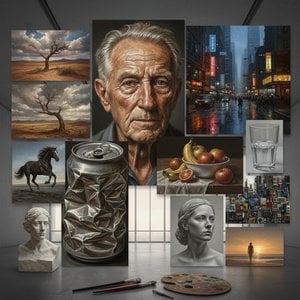
현대 리얼리즘을 대표하는 10가지 걸작! 예술가의 숨결과 섬세한 기법, 영원한 아름다움을 만나보세요. 와후아트에서 명품 미술 작품 감상 및 온라인 구매를 경험하고, 당신의 공간에 예술적 영감을 더하세요. 지금 바로 확인하세요!

에드워드 호퍼의 시대를 초월하는 25개의 명작을 만나보세요. 미국의 고독과 도시 풍경을 담은 회화 작품들을 감상하고, WahooArt.com에서 고품질 미술 복제본으로 당신의 공간을 특별하게 꾸며보세요. 지금 바로 컬렉션을 탐험하세요!


 미리보기
미리보기
 공유하기
공유하기 공유하기
공유하기
 상세 정보
상세 정보

 다운로드
다운로드
 유사 작품
유사 작품 X-레이
X-레이 슬라이드 쇼
 통계 정보
통계 정보

 더 보기
더 보기









 유리 옵션은 110cm 미만 크기에서만 선택 가능합니다.


