

 Giclée PrintDigitalContemporary Realism
 1921
1921 18.0 x 21.0 cm
 필라델피아 미술관
이 페이지에 표시된 작품은 저작권법의 보호를 받으며, 이에 따라 동일한 복제품을 제작하거나 판매하는 것은 법으로 금지되어 있습니다. 이러한 권리 보호는 다음과 같은 국제 협약에 따라 시행됩니다. 베른 협약 또한 다음에서 명시하는 법률을 포함한 국내법에 의해 보호됩니다. 미국 저작권법 제17조.
이 방식은 저작권 보호를 받는 예술 작품을 복제하거나 그대로 재현하는 것이 아니기에 저작권 규정을 완벽히 준수합니다. 대신, 이는 창의적인 재해석의 과정을 거칩니다. 즉, 원작에서 영감을 받되 원작과 동일하지 않은 새로운 회화 작품을 의미합니다.
빠른 제작과 다양한 마감 옵션을 선택할 수 있는 박물관 수준의 지클레이 및 캔버스 프린트. ( 수작업 채색 복제본 주문하기 디지털 이미지 판매 채널로 전환)
작품의 원본 비율을 그대로 유지하는 프리셋 사이즈 중에서 선택해 보세요.

액자나 벽면 크기에 맞춰 필요한 가로와 세로 길이를 입력해 주세요. 프린트는 원본 이미지보다 크게 제작할 수 없으며 오직 자르는 것만 가능하므로, 비율이 다른 사이즈를 선택할 경우 이미지의 일부가 잘려 나갈 수 있습니다. 인쇄 작업에 들어가기 전, 최종 확인을 위해 디지털 목업을 보내드립니다. 이 페이지에 표시된 이미지는 실제 잘리는 영역을 나타내지 않으며, 오직 목업을 통해서만 정확한 확인이 가능합니다.
Night Shadows
복제본 규격
Edward Hopper's "Night Shadows," etched in 1921, isn’t merely a depiction of a street at night; it’s a distilled essence of American loneliness and the quiet drama inherent in everyday existence. The stark black and white etching immediately establishes an atmosphere of profound stillness – a palpable sense of isolation that speaks volumes without uttering a single word. Hopper, a master of capturing fleeting moments of human experience, expertly utilizes light and shadow to create a scene both familiar and unsettlingly detached. The image draws us in with its simple composition: a solitary figure walking down the street, his elongated shadow stretching before him like an extension of his solitude. This isn’t a bustling urban landscape; it's a carefully constructed tableau designed to evoke introspection.
Hopper’s etching technique is remarkably precise, revealing the meticulous hand that shaped this iconic image. Notice the deliberate hatching and cross-hatching employed to render the textures of the pavement, the subtle gradations in the shadows, and the delicate lines defining the architecture. The artist's control over line weight contributes significantly to the overall mood – heavier lines emphasize areas of darkness and solidity, while lighter lines suggest distance or ambiguity. The placement of the two chairs and bench further anchors the scene, providing a sense of place without disrupting the feeling of detachment. These elements aren’t merely decorative; they subtly invite us into the narrative, suggesting potential encounters that never materialize.
"Night Shadows" emerged during a pivotal period in American history—the early 20th century, a time of rapid industrialization, urbanization, and profound social change. Hopper’s work reflects the anxieties and uncertainties of this era, capturing the growing sense of alienation felt by many individuals within increasingly impersonal urban environments. The solitary figure walking alone at night embodies this theme – a symbol of disconnection and the struggle to find meaning in a rapidly changing world. The chairs and bench hint at moments of potential connection, yet they remain unoccupied, reinforcing the image’s underlying message of isolation. It's important to remember that Hopper was deeply influenced by the literary works of writers like Henry James, whose explorations of psychological states resonated strongly with his artistic vision.
Beyond its technical brilliance and historical context, “Night Shadows” possesses a remarkable emotional depth. The image doesn’t scream for attention; instead, it quietly invites contemplation. There's a palpable sense of longing within the scene—a yearning for connection or perhaps simply for understanding. The darkness itself isn’t menacing but rather suggestive, hinting at hidden stories and unspoken emotions. It’s this ability to evoke such profound feelings through seemingly simple imagery that has cemented Hopper’s place as one of America's most enduring artists. A reproduction of “Night Shadows” offers a powerful opportunity to bring this evocative scene into your home, serving as a constant reminder of the beauty and melancholy inherent in the human experience.
"Night Shadows"와 유사한 작품들은 해당 작품의 유사한 작품 페이지에서 확인하실 수 있습니다.
에드워드 호퍼의 "Night Shadows"은(는) Landscape 구도로 이루어져 있습니다. 프린트 크기를 결정하시기 전에 비율을 확인해 보시는 것이 좋습니다.
"Night Shadows"은(는) Contemporary Realism 사조에 속하며, 작가는 근대 미술 시대에 활동했습니다.

1931 - 1967 , 미국

Explore the profound artistry of black and white photography. From historical mastery to the interplay of light and shadow, discover how monochrome captures timeless emotion and form through a sophisticated lens of art history.
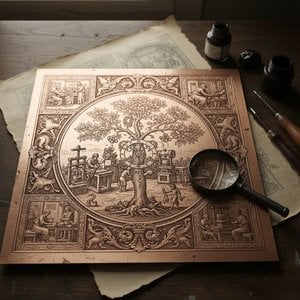
Explore the intricate world of etching and intaglio printmaking. Discover how masters use acid and metal to create profound textures and lines, from Romanticism to modern era, through an expert lens of art history and technical mastery.

 보내기
보내기 공유하기
공유하기
 상세 보기
상세 보기 가이드 보기

 이미지 다운로드
 유사 작품 더 보기
 슬라이드 쇼 보기
 통계 정보
통계 정보 상세 보기
상세 보기






































 유리 옵션은 110cm 미만 크기에서만 선택 가능합니다.


