x






























작품의 원본 비율을 유지하는 미리 설정된 크기 중에서 선택하세요.

특정 프레임이나 공간에 맞춰 직접 치수를 입력하실 수 있습니다. 선택하신 사이즈가 원본 이미지의 비율과 일치하지 않을 경우, 작품을 크롭(자르기)하거나 이미지를 대칭 또는 단색 채우기로 확장하여 제작합니다. 제작 시작 전, 최종 확인을 위해 디지털 목업이 전송됩니다.
화면상의 미리보기는 실제 크롭이나 확장 상태를 반영하지 않으므로, 최종 구도는 오직 목업을 통해서만 정확하게 확인하실 수 있습니다.
맞춤 사이즈 제작도 가능하지만, 원본 비율을 유지하기 위해서는 사전 정의된 목록에서 치수를 선택하시는 것을 권장합니다.

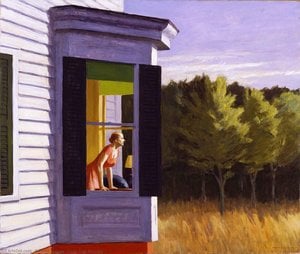
Cape Cod evening
복제본 크기
Edward Hopper’s *Cape Cod Evening*, completed in 1939, is more than just a depiction of a New England scene; it’s a masterclass in conveying profound solitude and the subtle anxieties of modern life. Painted during a period of significant social and economic change in America – the Great Depression cast a long shadow over the nation – Hopper's work reflects a growing sense of alienation, a feeling acutely captured within the confines of this seemingly idyllic coastal setting. The painting’s power resides not in grand gestures or dramatic events, but in its meticulous observation of ordinary moments, rendered with an almost unnerving stillness.
Hopper was a master of realism, but his approach transcended mere representation. He employed a precise, almost photographic technique, meticulously rendering every detail—the worn wood of the porch, the texture of the woman's book, the reflection in the clock face. However, this technical skill is deployed not to create a literal copy, but to evoke an emotional response. His brushwork is generally smooth and controlled, contributing to the painting’s overall sense of quiet contemplation. The use of black and white adds to the starkness and timeless quality of the image, reminiscent of photographs from the era.
The influence of artists like William Merritt Chase, whom Hopper studied under at the New York School of Art, is evident in his attention to form and light. Yet, Hopper developed a distinctly personal style – one characterized by an acute awareness of human psychology and a subtle yet powerful ability to convey unspoken emotions.
*Cape Cod Evening* was painted during a period of immense social and economic upheaval in the United States. The Great Depression had left many Americans feeling disillusioned and uncertain, and Hopper’s work reflects this mood. The couple on the porch can be interpreted as symbols of isolation and detachment – individuals adrift in a rapidly changing world. The clock hanging on the wall serves as a poignant reminder of the relentless passage of time, further emphasizing the theme of mortality and the fleeting nature of happiness.
The painting’s location—Truro, Massachusetts—adds another layer of significance. Truro was a thriving artistic community in the early 20th century, attracting artists like Rockwell Kent and Charles Burchfield. Hopper's visit to Cape Cod during this period undoubtedly influenced his work, contributing to its distinctive atmosphere.
*Cape Cod Evening* continues to resonate with viewers today because it taps into universal human experiences—loneliness, contemplation, and the search for meaning. It’s a painting that invites introspection, prompting us to consider our own relationships with others and our place in the world. Hopper's ability to capture such profound emotions through seemingly simple imagery is a testament to his artistic genius. This iconic work remains a cornerstone of American art, embodying the spirit of modernism and its exploration of the human condition.

1931 - 1967 , 미국
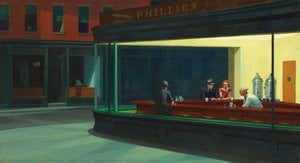
Explore the profound world of Edward Hopper's American realism. Discover the symbolism, themes & enduring legacy of this iconic artist – from 'Nighthawks' to his lesser-known masterpieces. Expert analysis and insights.

Delve into the power of 'Ivory Black' with 10 iconic paintings by masters like Rembrandt & Caravaggio. Explore dramatic chiaroscuro, gothic moods & timeless art history. Find museum-quality reproductions and elevate your home decor at

Delve into the power of 'Mars Black' with 10 iconic paintings by masters like Rembrandt & Caravaggio. Explore dramatic chiaroscuro, gothic art, and timeless beauty. Find museum-quality reproductions & elevate your home decor on .

Explore 10 iconic paintings dominated by black tones, from Rembrandt’s chiaroscuro to Goya's dark expressions. Discover the stories behind these masterpieces & find museum-quality art reproductions for your home at .

Explore the rich history & artistic power of black and white photography. From early techniques to iconic masters like Ansel Adams, discover why monochrome continues to captivate art lovers today. Expert insights for collectors.


최신 미술 뉴스, 특별 혜택 및 인테리어 아이디어를 가장 먼저 만나보세요.
프로젝트에 대해 알려주시면 저희 미술 전문가들이 맞춤형 아트 제안 3가지를 전달해 드립니다.
당신만을 위한 맞춤형 옵션 3가지를 무료로 추천해 드립니다!

 작품 구매하기
 공유하기
공유하기 공유하기
공유하기
 Details

 다운로드
다운로드
 유사 작품
유사 작품 X-Ray
X-Ray 슬라이드 쇼

 더 보기
더 보기









 유리 옵션은 110cm 미만 크기에서만 선택 가능합니다.