


x






























작품의 원본 비율을 유지하는 미리 설정된 크기 중에서 선택하세요.

특정 프레임이나 공간에 맞춰 직접 치수를 입력하실 수 있습니다. 선택하신 사이즈가 원본 이미지의 비율과 일치하지 않을 경우, 작품을 크롭(자르기)하거나 이미지를 대칭 또는 단색 채우기로 확장하여 제작합니다. 제작 시작 전, 최종 확인을 위해 디지털 목업이 전송됩니다.
화면상의 미리보기는 실제 크롭이나 확장 상태를 반영하지 않으므로, 최종 구도는 오직 목업을 통해서만 정확하게 확인하실 수 있습니다.
맞춤 사이즈 제작도 가능하지만, 원본 비율을 유지하기 위해서는 사전 정의된 목록에서 치수를 선택하시는 것을 권장합니다.

untitled (8227)
복제본 크기
Before us lies a profoundly unsettling portrait, an image that immediately evokes the shadowed depths of the human psyche. This black and white rendition of a man – identified only as “Untitled (8227)” – isn't merely a likeness; it’s a carefully constructed embodiment of anxiety, isolation, and perhaps even a premonition of mortality. The painting, executed by the Norwegian Expressionist master Edvard Munch, transcends simple representation, plunging the viewer directly into the artist’s intensely personal world of emotional experience. The stark contrast between light and shadow, the deliberate flatness of the composition, and the subject's impassive yet subtly troubled gaze all contribute to a palpable sense of unease – a feeling that resonates deeply with the spirit of Munch’s oeuvre.

To truly appreciate ‘Untitled (8227)’, one must understand the formative experiences that shaped Edvard Munch's artistic vision. Born in 1863 amidst a landscape scarred by illness and premature death – his mother succumbed to tuberculosis when he was five, followed tragically by his sister Johanne Sophie just two years later – Munch’s childhood was steeped in grief and a pervasive awareness of fragility. His father, a strict religious man, instilled within him a sense of dread and an acute sensitivity to the darker aspects of human existence. These early traumas weren't simply biographical details; they became the bedrock upon which he built his artistic language, fueling a relentless exploration of themes like death, anxiety, and the struggle for connection in a world seemingly indifferent to suffering. As Munch himself famously stated, “I have tried to depict the workings of my soul.” This painting is a potent manifestation of that very endeavor.
The influence of his father’s beliefs, combined with his own struggles with mental health and the unsettling atmosphere of his family life, created an environment ripe for artistic expression. Munch's exploration of these themes extended beyond personal experience; he was deeply influenced by contemporary philosophical currents, particularly those questioning traditional religious dogma and exploring the nature of human consciousness.
The composition itself is deliberately unsettling. The man’s posture – seated rigidly in a chair positioned behind him – creates an immediate sense of detachment and introspection. His expression, though seemingly neutral, hints at a profound inner turmoil; the slight furrow of his brow, the downward turn of his mouth, all contribute to this feeling of suppressed anguish. The inclusion of books scattered around him suggests a mind grappling with ideas, perhaps seeking solace or understanding in knowledge, yet ultimately unable to escape the weight of his emotions. The two additional chairs further emphasize his isolation and the difficulty he has connecting with others.
Munch’s masterful use of black and white photography lends the image an almost photographic realism, intensifying its emotional impact. The stark contrasts heighten the sense of drama and underscore the subject's vulnerability. The deliberate lack of color forces the viewer to focus entirely on the figure’s expression and posture, amplifying the feeling of unease. This technique is characteristic of Munch’s approach – he sought to capture not just appearances but the very essence of human emotion.
‘Untitled (8227)’ stands as a powerful testament to Munch’s ability to translate personal suffering into universal themes. It resonates with viewers today precisely because it taps into our own anxieties about mortality, isolation, and the complexities of human relationships. The painting's exploration of psychological states anticipated many of the concerns that would dominate 20th-century art and literature – particularly the rise of Expressionism and its focus on subjective experience. Reproductions of this work continue to be studied and admired for their ability to evoke a profound emotional response, cementing Munch’s place as one of the most important artists in modern history. WahooArt offers exceptional hand-painted reproductions that capture the essence of this iconic image, allowing you to bring its haunting beauty into your own space.


1863년 노르웨이 아델스브루크에서 태어난 어드반트 문크는 현대 미술, 특히 표현주의에 지대한 영향을 미친 화가입니다. 그의 삶은 어린 시절의 비극적인 경험과 끊임없는 정신적 고통으로 얼룩져 있었고, 이러한 개인적인 투쟁들은 그의 작품 전체를 관통하는 불안, 죽음, 고독이라는 주제로 이어졌습니다. 문크는 단순한 현실 묘사를 넘어 인간 내면의 심오하고 복잡한 감정을 표현하고자 했습니다. 그는 자신의 그림들을 통해 정신적 고통을 시각화하고, 이를 통해 관객들에게 깊은 공감과 울림을 선사했습니다.
문크의 어린 시절은 질병과 상실로 가득했습니다. 어머니와 여동생이 모두 결핵으로 세상을 떠난 경험은 그의 삶에 깊은 상처를 남겼고, 이는 그의 작품에서 반복적으로 나타나는 죽음과 슬픔이라는 주제의 근원이 되었습니다. 아버지의 엄격한 종교적 신념과 정신 질환 또한 문크에게 불안과 공포심을 심어주었으며, 이러한 어두운 경험들은 그의 예술 세계를 형성하는 데 결정적인 영향을 미쳤습니다. 크리스티아니아(오슬로) 왕립 미술학교에서 정식 교육을 받았지만, 그는 전통적인 회화 기법에 얽매이지 않고 자신만의 독특한 표현 방식을 추구했습니다. 특히 실존주의 철학자 한스 예거와의 만남은 문크에게 기존의 예술적 관습을 벗어나 자신의 내면세계를 솔직하게 드러내는 ‘영혼의 그림’을 그리도록 격려하는 계기가 되었습니다.
1890년대 파리로 건너간 문크는 폴 고갱, 빈센트 반 고흐, 앙리 드 툴루즈 로트렉 등 당시 유럽 미술계를 주도하던 인상주의 화가들의 작품을 접하며 큰 영향을 받았습니다. 그들의 대담한 색채 사용과 강렬한 표현력은 문크의 예술적 실험에 새로운 활력을 불어넣었습니다. 그러나 문크는 단순히 다른 화가들의 스타일을 모방하는 데 그치지 않고, 자신만의 독특한 시각과 감성을 담아내며 점차 표현주의의 선구자적인 면모를 드러냈습니다. 특히 그의 작품에서 나타나는 왜곡된 형태와 불안정한 색채는 관객들에게 강렬한 인상을 남기며, 인간 내면의 고통과 절망을 효과적으로 전달합니다.
‘절규’(The Scream)는 문크를 세계적인 명성을 얻게 해준 작품이자, 현대 미술의 상징과도 같은 존재입니다. 붉은 노을 아래 서 있는 인간 형상이 절망적으로 울부짖는 모습은 불안과 공포에 휩싸인 현대인의 심리를 극명하게 드러냅니다. 문크 자신은 이 그림이 자연의 거대한 비명을 듣고 느낀 감정을 표현한 것이라고 말했습니다. ‘절규’는 단순한 풍경화가 아닌, 인간 존재의 근원적인 불안과 고독을 담아낸 상징적인 작품으로 평가받고 있습니다. 또한 마돈나, 병든 아이, 멜랑콜리아 1 & 2 등 문크의 다른 작품들 역시 죽음, 슬픔, 사랑과 같은 보편적인 인간 경험을 다루며 깊은 감동과 울림을 선사합니다.
어드반트 문크는 표현주의 운동의 발전에 지대한 영향을 미쳤으며, 그의 작품은 이후 독일 표현주의 화가들에게 영감을 주었습니다. 그는 전통적인 회화 기법에서 벗어나 주관적인 감정과 내면세계를 자유롭게 표현하는 새로운 예술적 가능성을 제시했습니다. 문크의 작품은 현대 미술에 있어서 인간 심리의 복잡성과 불안을 탐구하는 중요한 전환점을 마련했으며, 그의 유산은 오늘날까지도 많은 예술가들에게 영감을 주고 있습니다. 그는 단순히 그림을 그리는 화가가 아니라, 인간 존재의 어두운 면을 직시하고 이를 예술로 승화시킨 위대한 사상가이자 선구자였습니다.

1863 - 1944 , 스웨덴
전문적인 호텔 공간 디자인을 위한 흑백 회색 추상화 활용법! 색채 심리학 기반의 분위기 조성 전략과 최적의 작품 선택 가이드 제공. 브랜드 가치 제고 노하우를 지금 확인하세요.

Delve into the power of 'Ivory Black' with 10 iconic paintings by masters like Rembrandt & Caravaggio. Explore dramatic chiaroscuro, gothic moods & timeless art history. Find museum-quality reproductions and elevate your home decor at

Explore the raw emotion of Expressionism with WahooArt. Discover its history, key artists like Kirchner & Munch, and lasting influence on modern art. Expert insights for collectors & enthusiasts.
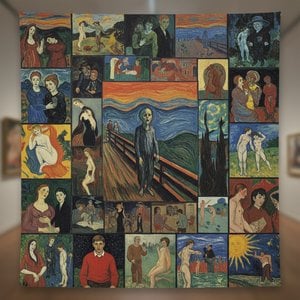
에드바르 뭉크의 대표작 25선을 만나보세요. '절규'를 비롯한 불안과 고독을 담은 표현주의 걸작들의 숨겨진 이야기와 예술적 의미를 WahooArt에서 탐험하세요. 명화 복제, 인테리어 액자 등 다양한 컬렉션을 온라인으로 감상하고 특별한 공간을 완성해보세요.

Explore the rich history & artistic power of black and white photography. From early techniques to iconic masters like Ansel Adams, discover why monochrome continues to captivate art lovers today. Expert insights for collectors.


최신 미술 뉴스, 특별 혜택 및 인테리어 아이디어를 가장 먼저 만나보세요.
프로젝트에 대해 알려주시면 저희 미술 전문가들이 맞춤형 아트 제안 3가지를 전달해 드립니다.
당신만을 위한 맞춤형 옵션 3가지를 무료로 추천해 드립니다!

 작품 구매하기
 공유하기
공유하기 공유하기
공유하기
 상세 정보
상세 정보

 다운로드
다운로드
 유사 작품
유사 작품 X-레이
X-레이 슬라이드 쇼

 더 보기
더 보기









 유리 옵션은 110cm 미만 크기에서만 선택 가능합니다.


