
빠른 제작과 다양한 마감 옵션을 제공하는 박물관 품질의 지클레이 또는 캔버스 프린트. ( 손으로 그린 그림 구매 디지털 이미지로 전환)





























작품의 원본 비율을 유지하는 미리 설정된 크기 중에서 선택하세요.

특정 프레임이나 공간에 맞춰 직접 치수를 입력하실 수 있습니다. 선택하신 사이즈가 원본 이미지의 비율과 일치하지 않을 경우, 작품을 크롭(자르기)하거나 이미지를 대칭 또는 단색 채우기로 확장하여 제작합니다. 제작 시작 전, 최종 확인을 위해 디지털 목업이 전송됩니다.
화면상의 미리보기는 실제 크롭이나 확장 상태를 반영하지 않으므로, 최종 구도는 오직 목업을 통해서만 정확하게 확인하실 수 있습니다.
맞춤 사이즈 제작도 가능하지만, 원본 비율을 유지하기 위해서는 사전 정의된 목록에서 치수를 선택하시는 것을 권장합니다.

El Grito (The Cry) – left panel distant view
복제본 크기
In the sweeping, evocative left panel of El Grito (The Cry), artist Eduardo Carrillo Nava invites us to step onto a bustling city sidewalk, where the rhythm of daily existence unfolds with profound intimacy. This particular view offers a distant perspective on a vibrant urban tableau, capturing a moment in time from 1979 that feels both fleeting and eternal. As we gaze upon the scene, we encounter a tapestry of human movement; pedestrians drift across the frame, some lost in their own thoughts, others engaged in the quiet choreography of street life. The presence of a horse, positioned toward the right, introduces a striking element of vitality and historical resonance, bridging the gap between the modern urban landscape and the deep-rooted pastoral traditions of Mexican heritage.
The composition serves as more than just a depiction of a street; it is a masterful study in atmosphere and social connection. Through his skilled use of perspective, Nava directs the eye through the layers of the crowd, creating a sense of depth that pulls the viewer into the very heart of the community. The painting captures the essence of Chicano life—a delicate balance between the individual journey and the collective experience of the city. For the collector or interior designer, this piece offers a narrative richness that transforms a space, providing a focal point that is both intellectually stimulating and visually soothing.
Eduardo Carrillo Nava was a pivotal figure in the Chicano art movement, and his technical approach in El Grito reflects a sophisticated blend of surrealist-inspired landscapes and figurative realism. His brushwork does not merely replicate reality; it interprets it through a lens of cultural memory. The way light interacts with the figures and the architecture suggests a dreamlike quality, where the boundaries between the mundane and the mythic begin to blur. This technique allows the mural to transcend simple documentation, turning a street scene into a symbolic exploration of identity and resilience.
The emotional impact of this work lies in its ability to evoke nostalgia and a sense of belonging. There is a quiet dignity in the way Nava portrays his subjects, treating the everyday motions of city dwellers with the reverence typically reserved for grand historical portraits. For those seeking to adorn a home or gallery with art that carries weight and soul, this reproduction offers an opportunity to possess a fragment of a monumental legacy. It is a piece that speaks of movement, of the "cry" of a people finding their voice, and of the enduring beauty found in the shared spaces of our urban existence.


1937 - 1997 , 미국

Elevate your hospitality projects with our expert trend forecast on luxury murals. From biophilic botanical jungles to opulent gold leaf geometry, discover how bespoke large-scale wall art and custom frescoes can transform hotel interiors into unforgettable architectural statements.
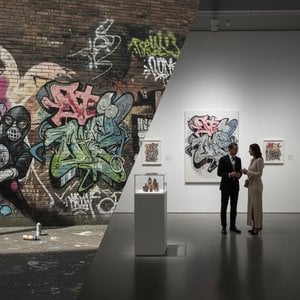
Explore the captivating journey of street art from urban walls to prestigious galleries. Discover how contemporary graffiti has evolved into a high-end collectible movement, redefining modern interior design and global art culture.


 미리보기
미리보기
 공유하기
공유하기 공유하기
공유하기
 상세 정보
상세 정보

 다운로드
다운로드
 유사 작품
유사 작품 X-레이
X-레이 슬라이드 쇼
 통계 정보
통계 정보


 더 보기
더 보기









 유리 옵션은 110cm 미만 크기에서만 선택 가능합니다.


