
 Oil On CanvasWallArtImpressionism
 187519th Century
 57.0 x 48.0 cm
빠른 제작과 다양한 마감 옵션을 제공하는 박물관 품질의 지클레이 또는 캔버스 프린트. ( 손으로 그린 그림 구매 디지털 이미지로 전환)





























작품의 원본 비율을 유지하는 미리 설정된 크기 중에서 선택하세요.

특정 프레임이나 공간에 맞춰 직접 치수를 입력하실 수 있습니다. 선택하신 사이즈가 원본 이미지의 비율과 일치하지 않을 경우, 작품을 크롭(자르기)하거나 이미지를 대칭 또는 단색 채우기로 확장하여 제작합니다. 제작 시작 전, 최종 확인을 위해 디지털 목업이 전송됩니다.
화면상의 미리보기는 실제 크롭이나 확장 상태를 반영하지 않으므로, 최종 구도는 오직 목업을 통해서만 정확하게 확인하실 수 있습니다.
맞춤 사이즈 제작도 가능하지만, 원본 비율을 유지하기 위해서는 사전 정의된 목록에서 치수를 선택하시는 것을 권장합니다.

The Grand Canal
복제본 크기
Édouard Manet's "The Grand Canal" is a stunning representation of Venice’s iconic waterway, capturing the essence of the city with an innovative and modern approach. Created in 1875, this oil on canvas masterpiece exemplifies the burgeoning Impressionist movement. The painting depicts two blue and white striped poles standing prominently on either side of the canal, framing the bustling scene. Buildings line both banks, their facades reflecting in the shimmering water. Several boats navigate the canal, adding a sense of life and activity to the composition. A solitary figure stands near the center-right, seemingly absorbed by the beauty of the surroundings.
Manet's visit to Venice occurred during a pivotal period in his artistic development. Having spent time with Claude Monet in Argenteuil, Manet was increasingly embracing outdoor painting and exploring the effects of light and atmosphere – hallmarks of Impressionism. The Grand Canal itself is a vital artery of Venice, a major water-traffic corridor forming a distinctive reverse-S shape through the city's central districts. Manet’s decision to depict this well-known scene demonstrates his ability to transform familiar subjects into something fresh and modern. While he initially struggled with capturing the Venetian light, the resulting painting showcases a departure from his earlier Realist style, embracing looser brushstrokes and brighter colors characteristic of Impressionism.
Manet’s technique in "The Grand Canal" is notable for its visible brushwork and vibrant color palette. The use of broken strokes creates a sense of movement and shimmering light on the water's surface, conveying the dynamism of Venetian life. The striped poles serve as visual anchors, drawing the viewer's eye into the scene while also hinting at the practical aspects of navigating the canal. While not overtly symbolic, the painting evokes feelings of tranquility, beauty, and a sense of timelessness associated with Venice. The solitary figure adds a touch of human presence, inviting viewers to contemplate their own connection to this historic city.
"The Grand Canal" is more than just a depiction of a famous location; it's an emotional response to the beauty and atmosphere of Venice. Manet’s innovative approach captures the fleeting moments of light and color, creating a vibrant and engaging scene that resonates with viewers even today. This work stands as a testament to Manet’s artistic evolution and his significant contribution to the Impressionist movement, solidifying his place as a pivotal figure in modern art history.


1832 - 1883 , 프랑스

Master the nuances of Impressionism vs. Post-Impressionism with our expert guide. Explore the revolutionary shift from Monet’s fleeting light to Van Gogh’s emotional depth. Discover how these iconic movements continue to inspire fine art collectors and modern interiors today.
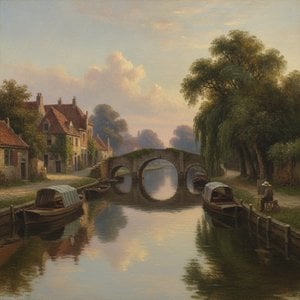
Embark on a visual journey through the tranquil beauty of canal scenes in fine art. Discover how master painters capture light, reflection, and serenity through impressionistic landscapes and timeless maritime masterpieces.


 미리보기
미리보기
 공유하기
공유하기 공유하기
공유하기
 상세 정보
상세 정보 가이드 보기

 다운로드
다운로드
 유사 작품
유사 작품 X-레이
X-레이 슬라이드 쇼
 통계 정보
통계 정보 더 보기
더 보기









 유리 옵션은 110cm 미만 크기에서만 선택 가능합니다.


