빠른 제작과 다양한 마감 옵션을 제공하는 박물관 품질의 지클레이 또는 캔버스 프린트. ( 손으로 그린 그림 구매 이미지 구매)





























작품의 원본 비율을 유지하는 미리 설정된 크기 중에서 선택하세요.

특정 프레임이나 공간에 맞춰 직접 치수를 입력하실 수 있습니다. 선택하신 사이즈가 원본 이미지의 비율과 일치하지 않을 경우, 작품을 크롭(자르기)하거나 이미지를 대칭 또는 단색 채우기로 확장하여 제작합니다. 제작 시작 전, 최종 확인을 위해 디지털 목업이 전송됩니다.
화면상의 미리보기는 실제 크롭이나 확장 상태를 반영하지 않으므로, 최종 구도는 오직 목업을 통해서만 정확하게 확인하실 수 있습니다.
맞춤 사이즈 제작도 가능하지만, 원본 비율을 유지하기 위해서는 사전 정의된 목록에서 치수를 선택하시는 것을 권장합니다.

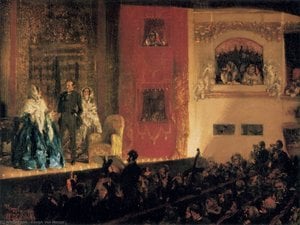
Masked Ball at the Opera
복제본 크기
Step into the flickering candlelight of 1873 Paris, where the air is thick with the scent of perfume, the rustle of silk, and the whispered secrets of the elite. Édouard Manet’s Masked Ball at the Opera is far more than a mere depiction of a social gathering; it is a breathtaking window into the soul of Parisian modernity. As you gaze upon this masterpiece, you are not just an observer but a guest, standing amidst the swirling shadows and brilliant highlights of a crowded opera house lobby. The painting captures that ephemeral, magical moment when identity dissolves behind a porcelain mask, inviting the viewer to lose themselves in the mystery of the crowd.
The composition is a masterful exercise in controlled chaos. Manet expertly layers figures within the mezzanine and the bustling floor below, creating a sense of immense depth that draws the eye through the labyrinthine social scene. While an overwhelming expanse of deep, velvety blacks dominates the canvas—reflecting the formal attire of the era—the painting never feels heavy or stagnant. Instead, Manet uses light as a sculptor’s tool. The glow from unseen chandeliers and windows catches the edges of lace, the sheen of satin, and the pale curves of masks, imbuing the scene with a palpable, electric energy. This deliberate play of light and shadow serves to highlight the fleeting nature of the moment, a core tenet of the Impressionist spirit.
Beyond its visual splendor, the artwork serves as a profound meditation on the complexities of social performance. The recurring motif of the mask acts as a powerful symbol of anonymity and the dual nature of high society. In this gilded world, what is seen is often a carefully constructed facade. The masks allow for a temporary liberation from social hierarchy, yet they also create a sense of profound isolation amidst the throng. For the discerning collector or interior designer, this tension between visibility and concealment offers a rich layer of intellectual depth, making the piece a captivating conversation starter in any sophisticated setting.
Manet’s technique further enhances this emotional resonance. By moving away from the rigid, polished finish of academic painting and embracing looser, more expressive brushstrokes, he captures the very essence of movement and atmosphere. The texture of the oil paint on canvas suggests the vibration of music and the restless motion of the crowd. It is a style that celebrates the "now"—the transient beauty of a single night in Paris that can never be repeated.
For those looking to infuse their living spaces with culture and historical grandeur, a high-quality reproduction of Masked Ball at the Opera offers unparalleled inspiration. The painting’s sophisticated palette—anchored by dramatic blacks and punctuated by luminous whites and subtle jewel tones—allows it to integrate seamlessly into a variety of decor styles, from classic European elegance to contemporary minimalist luxury. It brings with it an aura of prestige and a sense of narrative drama that can transform a room.
Owning this work is an invitation to celebrate the beauty of the ephemeral. Whether placed in a grand foyer to greet guests with its bustling energy or in a quiet study to provoke deep reflection on the nature of identity, Manet’s vision remains as potent and provocative today as it was over a century ago. It is a piece for the true connoisseur—someone who appreciates not just the mastery of technique, but the profound emotional journey that great art provides.


1832 - 1883 , 프랑스

Embark on a profound journey through the world's most iconic mask artworks. Explore the spiritual depth, intricate craftsmanship, and rich cultural heritage of global traditions, from Chhau to Gomira, in this expert-led exploration of ancestral artistry and symbolic beauty.

Explore the ethereal beauty of Impressionist landscapes. Discover how masters like Monet captured fleeting light through color and texture, and learn to curate these timeless, luminous masterpieces for your home collection.


 미리보기
미리보기
 공유하기
공유하기 공유하기
공유하기
 상세 정보
상세 정보

 다운로드
다운로드
 유사 작품
유사 작품 X-레이
X-레이 슬라이드 쇼


 더 보기
더 보기









 유리 옵션은 110cm 미만 크기에서만 선택 가능합니다.