
원하는 크기와 액자로 주문 제작되는, 작가들이 직접 캔버스에 손으로 그린 유화 작품입니다. ( 프린트 판매로 전환 디지털 이미지로 전환)





























작품의 원본 비율을 유지하는 미리 설정된 크기 중에서 선택하세요.

특정 프레임이나 공간에 맞도록 직접 크기를 입력할 수 있습니다. 선택하신 크기가 원본 이미지의 비율과 일치하지 않는 경우, 작품을 자르거나 추가적인 손으로 그린 요소를 사용하여 그림을 확장합니다. 제작 시작 전 승인을 위해 디지털 목업을 보내드립니다.
화면 미리 보기는 실제 자르기 또는 확장을 반영하지 않습니다. 최종 구성은 목업을 통해서만 정확하게 확인하실 수 있습니다.
맞춤 크기 제작도 가능하지만, 원본 비율을 유지하기 위해 사전 정의된 목록에서 크기를 선택하시는 것을 권장합니다.

Bundle of Asparagus
복제본 크기
Édouard Manet's 1880 painting, *Bundle of Asparagus*, isn’t a grand historical narrative or a dramatic portrait. Instead, it’s a deceptively simple still life—a humble bunch of white asparagus resting upon a pale marble surface—that reveals a profound depth of artistic observation and a subtle challenge to conventional notions of beauty. Often overlooked in the shadow of Manet's more celebrated works like *Olympia*, this piece offers a unique glimpse into the artist’s evolving style and his fascination with capturing the ephemeral qualities of everyday objects. It’s a testament to how profound an impact can be achieved through careful observation, masterful technique, and a quiet refusal to adhere strictly to artistic convention.

Édouard Manet, *Bundle of Asparagus*, 1880
Manet's technique in *Bundle of Asparagus* is remarkably understated yet intensely expressive. He eschews the heavy impasto favored by some of his contemporaries, opting instead for a delicate layering of paint—a process he likely employed using transmitted light to reveal the primed canvas beneath. The color palette is restrained: predominantly cool whites and greys of the asparagus contrasted against the pale marble, punctuated by subtle hints of violet in the tips. This careful modulation creates an atmosphere of quiet contemplation, inviting the viewer to linger and appreciate the nuances of texture and tone. The brushstrokes themselves are loose and expressive, a hallmark of Manet’s style—a deliberate departure from the rigid academic precision that still dominated the Parisian art scene at the time. He wasn't interested in replicating reality with photographic accuracy; rather, he sought to capture its essence through color, light, and form.
The asparagus itself holds a fascinating significance within the context of Manet’s work. Asparagus was a recurring motif in his later paintings, often symbolizing an interest in capturing the beauty of ordinary, everyday objects—a deliberate move away from the grand historical or mythological subjects that were still prevalent at the time. Manet's choice to depict this humble vegetable speaks to a broader shift in artistic focus towards modern life and the appreciation of simple pleasures. The arrangement on the marble slab suggests a display in a greengrocer’s shop, grounding the scene in the realities of Parisian urban life. It’s a quiet celebration of the beauty found not in grand narratives but in the details of the everyday.
*Bundle of Asparagus* is more than just a still life; it's a testament to Manet’s artistic vision. It exemplifies his willingness to challenge conventions, experiment with new techniques, and explore unconventional subjects. The painting’s understated elegance and subtle symbolism continue to resonate with viewers today, inviting us to pause, observe, and appreciate the beauty in the seemingly mundane. Reproductions of this captivating work offer a unique opportunity to bring Manet's quiet genius into your own space—a reminder that art doesn’t always need to shout; sometimes, its greatest power lies in its ability to whisper.


1832 - 1883 , 프랑스

폴 세잔의 시대를 초월하는 명작 25점을 만나보세요. 인상주의를 넘어 후기 인상주의를 개척한 화가의 예술 세계와 정물화, 풍경화 속 숨겨진 이야기를 WahooArt에서 감상하세요. 고품질 아트 프린트와 캔버스 액자로 공간에 예술을 더해보세요! 지금 바로 컬렉션을 탐험하세요.

Journey through Impressionism's heart with 10 iconic paintings by Monet, Renoir & Degas. Explore light, color & the stories behind these masterpieces. Find museum-quality art reproductions and elevate your home decor on WahooArt.com.
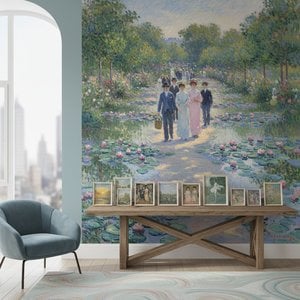
인상주의를 정의한 10대 걸작을 WahooArt와 함께 만나보세요. 모네, 르누아르 등 거장의 작품 비하인드 스토리와 예술적 가치를 탐구하고, 당신의 공간에 품격을 더하세요. 지금 바로 WahooArt.com에서 모든 명작을 발견해보세요.
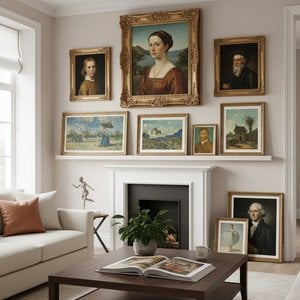
워싱턴 내셔널 갤러리의 숨겨진 명작 25점을 만나보세요. 모네, 세잔, 피카소 등 거장들의 예술 세계와 감동적인 스토리를 WahooArt에서 경험하세요. 고품질 아트 프린트 & 인테리어 디자인 영감을 얻고, 당신의 공간에 예술을 더하세요! 지금 바로 WahooArt.com에서 컬렉션을 탐험하세요.

에두아르 마네 최고 걸작 25선을 만나보세요. 인상주의 화가 마네의 혁신적인 기법과 파격적인 작품 세계를 탐험하고, WahooArt에서 고품질 명화 복제본으로 예술을 경험하세요. 지금 바로 컬렉션을 확인하세요!


 미리보기
미리보기
 공유하기
공유하기 공유하기
공유하기
 상세 정보
상세 정보 가이드 보기

 다운로드
다운로드
 유사 작품
유사 작품 X-레이
X-레이 슬라이드 쇼
 통계 정보
통계 정보

 더 보기
더 보기









 유리 옵션은 110cm 미만 크기에서만 선택 가능합니다.


