
 Tempera On PanelWallArtGothic Revival
 1300Late Medieval
 128.0 x 234.0 cm
 Pinacoteca Nazionale
빠른 제작과 다양한 마감 옵션을 제공하는 박물관 품질의 지클레이 또는 캔버스 프린트. ( 손으로 그린 그림 구매 디지털 이미지로 전환)





























작품의 원본 비율을 유지하는 미리 설정된 크기 중에서 선택하세요.

특정 프레임이나 공간에 맞춰 직접 치수를 입력하실 수 있습니다. 선택하신 사이즈가 원본 이미지의 비율과 일치하지 않을 경우, 작품을 크롭(자르기)하거나 이미지를 대칭 또는 단색 채우기로 확장하여 제작합니다. 제작 시작 전, 최종 확인을 위해 디지털 목업이 전송됩니다.
화면상의 미리보기는 실제 크롭이나 확장 상태를 반영하지 않으므로, 최종 구도는 오직 목업을 통해서만 정확하게 확인하실 수 있습니다.
맞춤 사이즈 제작도 가능하지만, 원본 비율을 유지하기 위해서는 사전 정의된 목록에서 치수를 선택하시는 것을 권장합니다.

Polyptych No. 28
복제본 크기
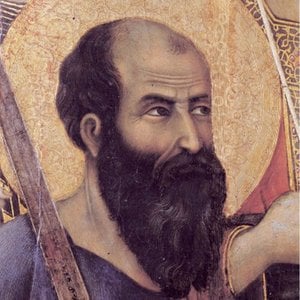
To stand before Duccio di Buoninsegna's Polyptych No. 28 is to step through a portal into the spiritual heart of the early fourteenth century. Housed within the prestigious Pinacoteca Nazionale in Siena, this monumental altarpiece is far more than a mere collection of religious panels; it is a profound meditation on the intersection of the divine and the human. Painted around 1300, the work captures a pivotal moment in art history when the rigid, golden stillness of the Byzantine tradition began to breathe with a newfound, tender humanity. Through his masterful use of tempera on wood, Duccio invites the viewer into a sacred space where every brushstroke serves to illuminate the theological depths of the Christian narrative.
The composition of this polyptych is a masterclass in narrative and spiritual hierarchy. At its very core, the artwork presents a moving depiction of Jesus Christ cradling Saint John the Baptist—a motif rich with symbolic weight, representing divine protection and the prophetic destiny of the infant saint. As the eye wanders across the five panels, one encounters a celestial assembly: figures of profound humility and contemplation flank the central mystery, while other panels depict saints and devotees in states of deep prayer. This arrangement does not merely display holy figures; it orchestrates a liturgical experience, guiding the observer from the intimate warmth of the Christ Child to the solemn, collective devotion of the faithful.
Duccio’s technical prowess is most evident in his ability to manipulate light to evoke the ethereal. Utilizing the meticulous technique of tempera on wood, he layered pigments to create a characteristic luminosity that seems to emanate from within the panels themselves. This method allowed for a subtle gradation of color, essential for his groundbreaking move toward naturalism. Unlike the flat, symbolic icons of the preceding era, Duccio’s figures possess a soft, sculptural presence. The delicate interplay of light and shadow on the drapery and skin tones lends a sense of weight and reality to the holy subjects, making the divine feel tangibly present within our earthly realm.
For the discerning collector or interior designer, the aesthetic appeal of this piece lies in its ability to command presence through both grandeur and grace. The shimmering gold leaf, often used in such Sienese masterpieces, provides a regal backdrop that catches the light, making it an extraordinary focal point for any space dedicated to contemplation or sophisticated classical decor. The artwork embodies a transition from the stylized to the soulful, offering a visual richness that remains as captivating today as it was in the vibrant, incense-filled atmosphere of medieval Siena.
Beyond its technical brilliance, Polyptych No. 28 resonates because of its profound emotional intelligence. Duccio was a pioneer of the Sienese School, an artist who dared to infuse sacred iconography with human emotion. In the gentle tilt of a head or the solemn gaze of a kneeling saint, we see the dawn of a more intimate connection between the viewer and the divine. This shift toward humanism—the idea that the holy can be understood through human feeling—is what gives this polyptych its enduring power.
Owning or displaying a high-quality reproduction of such a masterpiece allows one to bring this historical bridge into a modern setting. It serves as a reminder of a time when art was the primary language of the soul, offering an atmosphere of peace, reverence, and timeless beauty. Whether viewed as a historical document of the Gothic era or as a stunning example of Italian mastery, Duccio’s work continues to inspire awe, making it a cornerstone for any collection celebrating the evolution of Western art.

13세기 후반에서 14세기 초 시에나를 중심으로 활동했던 두치오 디 부오닌세냐는 이탈리아 미술사의 중요한 전환점을 장식하는 인물입니다. 그는 비잔틴 양식과 초기 고딕 양식이 공존하던 시대에, 종교적 상징성과 인간적인 감성이 조화롭게 어우러진 독창적인 화풍을 개척했습니다. 그의 삶에 대한 자세한 기록은 남아있지 않지만, 남겨진 작품들을 통해 우리는 두치오가 단순한 모방이 아닌, 새로운 예술적 비전을 제시하며 이탈리아 미술의 발전에 지대한 영향을 미쳤음을 알 수 있습니다. 시에나의 화단에서 두치오는 단순히 그림을 그리는 장인이 아니라, 시대와 종교적 신념을 반영하며 혁신적인 표현 방식을 탐구하는 예술가였습니다.
두치오의 초기 작품들은 비잔틴 미술의 영향을 강하게 드러냅니다. 황금빛 배경, 정형화된 인물 표현, 엄격한 종교적 상징성은 그의 그림에서 쉽게 찾아볼 수 있습니다. 그러나 두치오는 이러한 전통적인 요소들을 단순히 답습하는 데 그치지 않고, 점차적으로 새로운 시도를 더해 나갔습니다. 그는 화면에 깊이감을 부여하기 위해 공간 구성을 실험하고, 색채를 더욱 섬세하게 조절하여 이전에는 보기 힘들었던 부드러운 조화를 창조했습니다. 무엇보다도 두치오의 그림 속 인물들은 이전 시대의 작품들에서 찾아볼 수 없던 인간적인 감정을 담고 있습니다. 미묘한 표정 변화, 자연스러운 자세는 보는 이로 하여금 종교적 대상이 아닌, 살아있는 존재처럼 느끼게 합니다. 이러한 변화는 비잔틴 미술의 엄격함을 벗어나면서 나타난 두치오만의 독특한 특징입니다.
두치오의 예술적 역량을 가장 잘 보여주는 작품으로는 1285년에 제작된 루첼라이 마돈나와 1308년부터 1311년까지 제작된 거대한 제단화 마에스타를 들 수 있습니다. 루첼라이 마돈나는 초기 작품임에도 불구하고, 두치오의 혁신적인 시도를 엿볼 수 있는 중요한 작품입니다. 화면 구성을 통해 공간감을 부여하고, 성모 마리아와 아기 예수의 모습을 더욱 자연스럽게 표현했습니다. 그러나 그의 진가를 가장 잘 드러내는 작품은 단연 마에스타입니다. 이 거대한 제단화는 성모 마리아의 삶과 관련된 다양한 장면들을 담고 있으며, 각 장면마다 세밀한 묘사와 풍부한 색채를 사용하여 보는 이로 하여금 마치 한 편의 드라마를 감상하는 듯한 느낌을 선사합니다. 마에스타는 두치오의 뛰어난 예술적 기량과 종교적인 신념이 완벽하게 조화를 이루는 걸작입니다.
두치오는 생전에 이미 명성을 얻었으며, 그의 작품은 후대 미술가들에게 지대한 영향을 미쳤습니다. 특히 시에나를 중심으로 형성된 시에나 화파는 두치오의 예술적 유산을 계승하여 독자적인 발전을 이루었습니다. 시메온 마르티니, 리포 멤미, 피에트로 로렌체티 등 그의 제자들이 두치오의 기법과 표현 방식을 발전시켜 나가면서 시에나 화파는 이탈리아 미술의 중요한 흐름으로 자리 잡았습니다. 두치오의 자연주의적 경향은 이후 르네상스 시대의 미술가들에게 영감을 주었으며, 그의 작품들은 서양 미술사의 중요한 전환점으로 평가받고 있습니다. 그는 종교적인 주제를 다루면서도 인간의 감성을 섬세하게 표현함으로써, 미술을 통해 신앙과 예술이 어떻게 조화를 이룰 수 있는지를 보여주었습니다.
두치오 디 부오닌세냐는 중세 미술의 빛나는 별로서, 그의 작품들은 오늘날까지도 많은 사람들에게 감동과 영감을 선사하고 있습니다. 그는 비잔틴 전통을 계승하면서도 새로운 표현 방식을 탐구하며 이탈리아 미술의 발전에 크게 기여했습니다. 그의 예술적 업적은 시에나 화파를 탄생시키고 후대 미술가들에게 지대한 영향을 미쳤으며, 오늘날까지도 서양 미술사의 중요한 한 페이지를 장식하고 있습니다. 두치오 디 부오닌세냐는 단순한 화가가 아닌, 시대와 신앙을 초월하여 영원한 아름다움을 창조해낸 예술가였습니다.
1255 - 1319 , 이탈리아

Journey through history with 10 legendary tempera on panel masterpieces. From Renaissance icons to gold-leafed wonders, explore the stories behind these timeless works and find museum-quality art reproductions for your space. Discover all masterpieces on WahooArt.com.

Journey through the divine elegance of Duccio di Buoninsegna. Explore 25 iconic Sienese masterpieces, from the Maestà to the Rucellai Madonna. Find inspiration for museum-quality art reproductions and timeless decor. Discover all masterpieces on WahooArt.com.


 미리보기
미리보기
 공유하기
공유하기 공유하기
공유하기
 상세 정보
상세 정보 가이드 보기

 다운로드
다운로드
 유사 작품
유사 작품 X-레이
X-레이 슬라이드 쇼
 통계 정보
통계 정보 더 보기
더 보기









 유리 옵션은 110cm 미만 크기에서만 선택 가능합니다.


