
 Oil On CanvasWallArtBaroque Realism
 1655
1655 69.0 x 56.0 cm
 프라도 미술관
빠른 제작과 다양한 마감 옵션을 제공하는 박물관 품질의 지클레이 또는 캔버스 프린트. ( 손으로 그린 그림 구매 디지털 이미지로 전환)





























작품의 원본 비율을 유지하는 미리 설정된 크기 중에서 선택하세요.

특정 프레임이나 공간에 맞춰 직접 치수를 입력하실 수 있습니다. 선택하신 사이즈가 원본 이미지의 비율과 일치하지 않을 경우, 작품을 크롭(자르기)하거나 이미지를 대칭 또는 단색 채우기로 확장하여 제작합니다. 제작 시작 전, 최종 확인을 위해 디지털 목업이 전송됩니다.
화면상의 미리보기는 실제 크롭이나 확장 상태를 반영하지 않으므로, 최종 구도는 오직 목업을 통해서만 정확하게 확인하실 수 있습니다.
맞춤 사이즈 제작도 가능하지만, 원본 비율을 유지하기 위해서는 사전 정의된 목록에서 치수를 선택하시는 것을 권장합니다.

Philip IV
복제본 크기
Diego Rodríguez de Silva y Velázquez's 1655 portrait, “Philip IV,” is more than simply a likeness of the Spanish King; it’s a meticulously constructed tableau of power, piety, and the subtle anxieties of a monarch presiding over a vast empire. Housed within the hallowed halls of the Museo del Prado in Madrid, this oil-on-canvas painting offers an intimate glimpse into the life of Philip IV, a man grappling with weighty responsibilities while projecting an image of regal authority. The sheer scale – 69 x 56 cm – draws the viewer into the scene, inviting contemplation alongside the subject himself.
Velázquez’s genius lies not just in his technical mastery but in his uncanny ability to convey character through gesture and expression. Observe how the King's gaze, direct and unwavering, meets the eye of the observer – a deliberate act of engagement that transcends mere portraiture. The slight downturn of his mouth hints at the burdens of rule, while the carefully arranged folds of his attire speak volumes about wealth, status, and the elaborate rituals of court life. The inclusion of the doorway in the background isn’t merely decorative; it creates a sense of depth and perspective, subtly framing Philip IV within a larger narrative – perhaps suggesting the vastness of Spain's dominion or the limitations imposed by his role.
The painting is a testament to Velázquez’s revolutionary approach to light and shadow, a technique he termed “sfumato” – an Italian term that perfectly captures its hazy, atmospheric effect. He doesn't employ stark contrasts but rather builds up layers of translucent color, creating a sense of volume and realism that was unprecedented for the time. Notice how the light catches the textures of the King’s clothing, highlighting the richness of the fabrics and the meticulous detail of his attire. The use of *chiaroscuro*, the dramatic interplay between light and dark, further emphasizes Philip IV's form and adds a profound sense of drama to the composition.
Velázquez’s brushwork is remarkably loose and expressive, particularly in the rendering of the King’s beard and mustache. Rather than meticulously outlining each strand, he employs short, broken strokes that capture the texture and movement of the hair with remarkable immediacy. This technique contributes to the painting's overall sense of vitality and realism – it feels as though we are witnessing a fleeting moment captured forever on canvas.
“Philip IV” was created during a pivotal period in Spanish history, a time of both immense wealth and growing instability. The Habsburg dynasty, under Philip IV’s rule, presided over an empire that stretched across Europe and the Americas, yet faced challenges from rival powers and internal dissent. Royal portraiture served as a crucial tool for asserting authority and reinforcing the legitimacy of the monarchy. Velázquez, as court painter, was tasked with presenting the King in his most favorable light – a task he accomplished with remarkable skill and subtlety.
The painting’s stylistic elements—the bright hues against dark backgrounds, the elaborate head-dresses (though subtly rendered here), and the fashionable wide dresses of the attendants—are characteristic of the portraiture produced during the 1650s. These details reflect the prevailing fashions and artistic trends of the era, providing valuable insights into the material culture and social customs of 17th-century Spain. It’s important to note that this work is part of a larger series commissioned by Velázquez, offering a fascinating study in the evolution of his style and his evolving understanding of his subject.
Beyond its technical brilliance, “Philip IV” resonates with profound symbolic meaning. The King’s posture – upright and dignified – conveys an image of strength and resolve. Yet, as mentioned earlier, the subtle expression on his face hints at the anxieties and responsibilities that weighed upon him. The painting is not simply a representation of a man; it's a meditation on power, duty, and the human condition. It invites us to consider the complexities of leadership and the burdens of maintaining an empire.
A reproduction of “Philip IV” offers a remarkable opportunity to bring this masterpiece into your home or office. WahooArt.com provides meticulously crafted hand-painted reproductions that capture the essence of Velázquez’s original, allowing you to experience the artistry and historical significance of this iconic portrait firsthand.


1599 - 1660 , 스페인
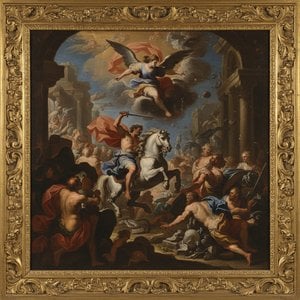
Explore the breathtaking power of Baroque art. Delve into the dramatic interplay of light, shadow, and motion through the works of masters like Caravaggio. Discover how the era's intense emotional realism continues to inspire collectors and connoisseurs of classical grandeur.
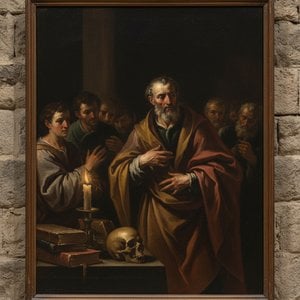
Explore the profound drama of Spanish Baroque art. Delve into the mastery of light, shadow, and realism through the legendary works of Diego Velázquez and the Spanish Golden Age.

Embark on a sophisticated exploration of Spanish art history, from the chiaroscuro mastery of Velázquez to the profound shadows of Goya. Discover how the dramatic light and emotional depth of Spain's greatest masters continue to inspire collectors and connoisseurs today.

Explore the profound drama of Baroque Realism. Discover how masters used chiaroscuro and tenebrism to command light and shadow, creating timeless emotional depth in 17th-century masterpieces.


 미리보기
미리보기
 공유하기
공유하기 공유하기
공유하기
 상세 정보
상세 정보 가이드 보기

 다운로드
다운로드
 유사 작품
유사 작품 X-레이
X-레이 슬라이드 쇼
 통계 정보
통계 정보 더 보기
더 보기









 유리 옵션은 110cm 미만 크기에서만 선택 가능합니다.


