


빠른 제작과 다양한 마감 옵션을 제공하는 박물관 수준의 지클레이 및 캔버스 프린트. ( 수작업 채색 복제본 주문하기 디지털 이미지로 전환)





























작품의 원본 비율을 그대로 유지하는 프리셋 사이즈 중에서 선택해 보세요.

액자나 벽면 크기에 맞춰 필요한 가로와 세로 길이를 입력해 주세요. 프린트는 원본 이미지보다 크게 제작할 수 없으며 오직 자르는 것만 가능하므로, 비율이 다른 사이즈를 선택할 경우 이미지의 일부가 잘려 나갈 수 있습니다. 인쇄 작업에 들어가기 전, 최종 확인을 위해 디지털 목업을 보내드립니다. 이 페이지에 표시된 이미지는 실제 잘리는 영역을 나타내지 않으며, 오직 목업을 통해서만 정확한 확인이 가능합니다.
Davida
복제본 크기
In Hendrik Haverman's Davida, the viewer meets the subject through an intimate, eye-level perspective that feels immediate and personal. This close-up, bust-length portrait places the girl slightly off-center, a choice that creates a quiet tension within the frame. The composition draws the eye directly to her presence, establishing an emotional connection that feels as though a single moment has been suspended in time. Around her, the world recedes into a muted and earthy atmosphere, where deep browns, blacks, and ochre dominate both the background and her clothing.
The lighting in this work about 1901 carries a strong sense of chiaroscuro, casting the scene into a dramatic interplay of light and shadow. A powerful light source strikes one side of her face, carving out the volume of her features and providing a sense of physical depth. This illumination makes her skin appear pale and luminous against the darker, somber tones of her surroundings. The contrast between the bright, glowing complexion and the heavy, dark pigments of the background focuses all attention on her expression and the subtle contours of her face.
The work emerges through the disciplined application of academic realism, rendered in oil on canvas. Layered pigments build a physical presence, lending a sense of weight and permanence to the figure. The artist employs painterly techniques that allow the medium to feel alive, where the movement of the brush remains visible to the eye. In the hair and the soft background, lines appear gentle and blended, melting into one another to create a quiet, atmospheric space. This softness contrasts with the more deliberate, defined brushstrokes used to shape the features of the face, anchoring the subject's expression in a moment of stillness.
Texture plays a vital role in how the light interacts with the surface. Visible brushstrokes catch the light across the hair and the lace-edged collar, giving the fabric a tangible, tactile quality. The lighting mimics the chiaroscuro tradition, casting subtle shadows that carve out depth and volume. These shadows wrap around the contours of the face, providing a three-dimensional quality that makes the subject feel present. Through this careful manipulation of light and pigment, the portrait achieves a profound sense of intimacy.
Academic Realism 사조 안에서, "Davida"은(는) Somber한 어조로 기록되어 있습니다.
"Davida"은(는) WallArt 작품입니다.
헨드릭 하버만은(는) Hendrik Johan Haverman, Hendrik Johannes Haverman, Hendrik J. Haverman라는 이름으로도 활동하고 있습니다.

헨드릭 하버만은 1857년 10월 23일, 암스테르담에서 태어났습니다. 그의 유년 시절은 네덜란드의 풍경과 정교한 정규 교육의 고요한 규율 속에서 형성되었습니다. 그는 암스테르담의 국립 미술 아카데미(Rijksakademie van beeldende kunsten)에서 예술가로서의 첫발을 내디디며 도구들을 다루는 법을 익혔습니다. 이러한 예술적 토대는 이후 안트베르펜과 브뤼셀의 미술 아카데미를 거치며 더욱 확장되었고, 그는 여러 예술적 공간을 유랑하며 자신의 화풍을 더욱 섬세하게 다듬어 나갔습니다.
학업에 정진하던 시절, 헨드릭 하버만은 아우구스트 알레베와 헨드릭 발켄뷔르흐라는 거장들의 지도 아래 성장했습니다. 이 스승들은 그가 드로잉과 회화에 접근하는 방식의 기술적 근간을 마련해 주었습니다. 특히 그는 초상화에 요구되는 정밀함에 집중했는데, 이는 흔들림 없는 눈과 인내심 강한 손길을 필요로 하는 고도의 작업이었습니다. 그의 교육 과정은 단순히 하나의 강의실에 머물지 않고, 네덜란드와 벨기에를 잇는 주요 예술 중심지 사이를 오가는 역동적인 여정이었습니다.
하버만은 초상 드로잉의 정교함 속에서 자신의 예술적 영혼을 가장 깊이 있게 표현했습니다. 그는 얼굴의 선 하나하나에 집중하며, 데생가의 예리한 시선으로 대상이 지닌 고유한 존재감을 포착해 냈습니다. 이러한 초상화에 대한 헌신은 1892년 국가로부터 지속적인 예술 활동을 지원받는 왕실 보조금을 수여받으며 그 가치를 인정받았습니다. 또한 그의 탁월한 기술력은 Koninklijke Prijs voor Vrije Schilderkunst 수상이라는 영예로 이어졌습니다.
그의 예술 세계는 작업실의 경계를 넘어 네덜란드의 폭넓은 지적 삶과도 맞닿아 있었습니다. 그는 예술 비평가로서 활동하며 네덜란드에서 가장 오래된 문학 잡지인 De Gids에 수많은 글을 기고했습니다. 이러한 활동은 그가 드로잉이라는 물리적 행위만큼이나 예술의 이론과 비평에도 깊은 관심을 가졌던 사유하는 예술가였음을 보여줍니다. 그의 예술적 관점은 직접적인 실기 경험과 변화하는 예술적 지형을 관찰하며 쌓아온 통찰력이 결합되어 완성되었습니다.
하버만의 영향력은 교육의 사적인 영역까지 미쳤으며, 특히 정규 아카데미의 문이 여성들에게 닫혀 있던 시대에 학생들에게 중요한 길잡이가 되었습니다. 그는 에드메 브뢰스, 메타 코헨 고스찰크, 마리아 아델린 앨리스 슈바이스탈, 그리고 폴린 스위이에게 개인 레슨을 제공했습니다. 이러한 가르침은 이 여성 예술가들이 국립 미술 아카데미라는 전통적인 구조 밖에서도 자신의 기량을 마음껏 펼칠 수 있는 소중한 통로가 되었습니다.
전문 예술계에서 그의 존재감은 시각 예술과 문학적 언어를 동시에 다루는 이중적인 헌신으로 각인되었습니다. 그는 오랜 역사를 지닌 네덜란드 문학 잡지 De Gids에 다수의 기고문을 실으며 타인의 작품을 심도 있게 분석했습니다. 이러한 문학적, 비평적 교류를 통해 그는 네덜란드 네덜란드 미술의 변화하는 흐름을 예리한 시선과 비평적 관점으로 관찰할 수 있었습니다.

1857 - 1928 , 네덜란드

Elevate your memories with our expert guide on selecting the perfect photograph for bespoke oil painting commissions. Discover how to leverage lighting, composition, and historical styles to transform a simple snapshot into a timeless, hand-painted masterpiece.

Immerse yourself in the vibrant world of Alexej von Jawlensky. Explore 25 iconic Expressionist masterpieces, from emotive portraits to bold colors. Find inspiration for your collection with museum-quality art reproductions at WahooArt.com. Discover all masterpieces online.

Explore the profound connection between technique and emotion. From the sculptural depth of impasto to classical mastery, decode the language of brushstrokes through an expert lens of art history and fine art connoisseurship.

Explore the psychological depth of classical portraiture through masters like Rembrandt and Vermeer. Discover the power of the gaze today.
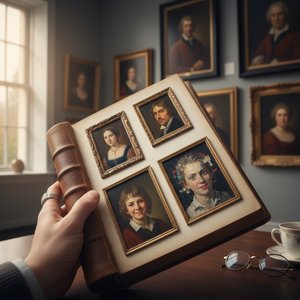
Master the nuances of portrait composition with our expert guide for collectors. Discover how light, gaze, and texture create emotional depth in fine art, from classical masterpieces to bespoke oil commissions.
 미리보기

 공유하기
 공유하기
 상세 정보
 가이드 보기


 다운로드
 유사 작품 더 보기
 X-레이
 슬라이드 쇼 보기
 질의응답

 통계 정보


 더 보기









 유리 옵션은 110cm 미만 크기에서만 선택 가능합니다.


