
 Surrealism
 1986
1986 91.0 x 274.0 cm
빠른 제작과 다양한 마감 옵션을 제공하는 박물관 품질의 지클레이 또는 캔버스 프린트. ( 손으로 그린 그림 구매 디지털 이미지로 전환)
작품의 원본 비율을 유지하는 미리 설정된 크기 중에서 선택하세요.

특정 프레임이나 공간에 맞춰 직접 치수를 입력하실 수 있습니다. 선택하신 사이즈가 원본 이미지의 비율과 일치하지 않을 경우, 작품을 크롭(자르기)하거나 이미지를 대칭 또는 단색 채우기로 확장하여 제작합니다. 제작 시작 전, 최종 확인을 위해 디지털 목업이 전송됩니다.
화면상의 미리보기는 실제 크롭이나 확장 상태를 반영하지 않으므로, 최종 구도는 오직 목업을 통해서만 정확하게 확인하실 수 있습니다.
맞춤 사이즈 제작도 가능하지만, 원본 비율을 유지하기 위해서는 사전 정의된 목록에서 치수를 선택하시는 것을 권장합니다.

Number 232
복제본 크기
David Reed, born in San Diego in 1946 and currently residing in New York, is a compelling figure within contemporary painting. His work isn’t merely about depicting scenes; it's an exploration of layered narratives, psychological landscapes, and the very mechanics of perception. For nearly six decades, Reed has meticulously crafted large-scale abstract paintings that invite prolonged engagement, demanding viewers to actively participate in deciphering their complex imagery. His process, often spanning a year or more, is characterized by a deliberate layering of techniques – wet-into-wet brushwork, the incorporation of photographic elements, and an almost cinematic sensibility—resulting in works that feel both intensely personal and universally resonant.
Reed’s artistic journey began with a foundational education at Reed College and the New York Studio School. Early influences were deeply rooted in his family's artistic lineage; his aunt and uncle were painters, and his great-uncle was a gallery owner, providing him with an early exposure to the art world. Crucially, he found himself drawn to the work of John McLaughlin, a pivotal figure in the New York School who shared Reed’s fascination with gesture and process. This connection, coupled with studies at Weatherspoon Art Museum under the guidance of Mercedes Matter and Milton Resnick, solidified his commitment to exploring the expressive potential of paint itself. McLaughlin's emphasis on the physicality of painting—the way the medium interacts with the artist’s hand—became a cornerstone of Reed’s own approach.
Reed’s paintings are immediately arresting, yet their meaning isn’t readily apparent. He eschews traditional representational forms, instead focusing on the intrinsic qualities of paint and the relationships between brushstrokes. His signature style involves applying layers of wet paint to the canvas, often employing a technique known as “wet-into-wet,” where fresh paint is added directly onto previously applied layers. This creates a sense of fluidity and movement, blurring the boundaries between form and color. The resulting surfaces are rich with texture, revealing the artist’s hand in a way that feels both deliberate and spontaneous.
A key element of Reed's work is his incorporation of photographic elements – often enlarged stills from films—into his compositions. These images aren’t simply overlaid onto the canvas; they become integrated into the painting’s structure, creating a dialogue between the two mediums. This integration reflects Reed’s broader interest in exploring the connections between visual art and popular culture, particularly cinema. He frequently cites film as an influence, noting the way that cinematic techniques—such as montage and framing—can be used to create complex narratives.
What distinguishes Reed's work from many other abstract painters is the sheer length of his creative process. He describes his paintings as “year-long projects,” during which he meticulously plans, experiments, and revises each piece. This protracted process isn’t simply a matter of adding layers of paint; it involves a deep engagement with the underlying concepts and themes that inform the work. Reed often speaks about the importance of allowing the painting to “speak” to him, suggesting that the creative process is one of dialogue rather than imposition.
His 1974-1975 series, characterized by elongated canvases painted with predominantly black or red strokes, exemplifies this approach. These works were conceived as a response to the prevailing trends in contemporary art at the time—particularly Conceptualism and Minimalism—and represent a deliberate attempt to reclaim the expressive power of painting. The scale of these paintings – often mirroring the dimensions of studio doors – further emphasizes their immersive quality, inviting viewers to step into the artist’s world.
David Reed's work has garnered significant critical attention over the years. He was included in Tony Godfrey’s influential overview of painting from the 1970s onward, *Painting Today*, a testament to his enduring contribution to the field. His paintings are held in numerous private and public collections around the world, reflecting their broad appeal and artistic merit. Reed's influence extends beyond his own work; he has served as an advisor for exhibitions such as “High Times, Hard Times: New York Painting 1967-1975,” demonstrating a commitment to fostering dialogue and understanding within the art community.
Reed’s paintings are not easily categorized. They resist simple interpretation, demanding that viewers engage with them on an emotional and intellectual level. His meticulous process, combined with his willingness to explore complex themes—ranging from film and popular culture to psychology and perception—has established him as a significant voice in contemporary art. He continues to push the boundaries of painting, inviting us to reconsider its potential and its place in our lives.
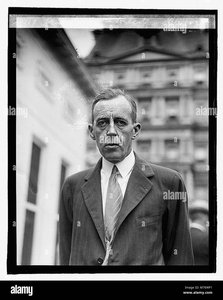
1946 - , United States of America

Elevate your digital artistry with our expert guide to mastering collage. Learn professional techniques for layering textures, blending imagery, and creating profound visual narratives through advanced digital composition and modern creative workflows.

Elevate your digital portfolio with exclusive, unrepeatable original artist NFTs at WahooArt. Discover a curated selection of premium digital masterpieces and generative abstractions designed for the discerning collector seeking true scarcity and artistic prestige.

Unlock your creative potential with WahooArt Digital Licensing. Transform your digital masterpieces into a sustainable passive income stream by leveraging our global platform of collectors and professionals. Turn your vision into a timeless legacy today.


 미리보기
미리보기
 공유하기
공유하기 공유하기
공유하기
 상세 정보
상세 정보

 다운로드
다운로드
 유사 작품
유사 작품 X-레이
X-레이 슬라이드 쇼
 통계 정보
통계 정보 더 보기
더 보기






































 유리 옵션은 110cm 미만 크기에서만 선택 가능합니다.


