
원하는 크기와 액자로 주문 제작되는, 작가들이 직접 캔버스에 손으로 그린 유화 작품입니다. ( 프린트 판매로 전환 디지털 이미지로 전환)





























작품의 원본 비율을 유지하는 미리 설정된 크기 중에서 선택하세요.

특정 프레임이나 공간에 맞도록 직접 크기를 입력할 수 있습니다. 선택하신 크기가 원본 이미지의 비율과 일치하지 않는 경우, 작품을 자르거나 추가적인 손으로 그린 요소를 사용하여 그림을 확장합니다. 제작 시작 전 승인을 위해 디지털 목업을 보내드립니다.
화면 미리 보기는 실제 자르기 또는 확장을 반영하지 않습니다. 최종 구성은 목업을 통해서만 정확하게 확인하실 수 있습니다.
맞춤 크기 제작도 가능하지만, 원본 비율을 유지하기 위해 사전 정의된 목록에서 크기를 선택하시는 것을 권장합니다.

Peter Getting Out of Nick's Pool
복제본 크기
This captivating artwork presents a poignant scene of a solitary figure contemplating a still pool beneath an overcast sky. Rendered with meticulous detail, the piece evokes a profound sense of introspection and quiet contemplation – themes frequently explored throughout art history as responses to personal grief or broader societal anxieties. The muted palette of blues, greys, and browns contributes significantly to this atmosphere, mirroring the melancholic mood and suggesting a timeless quality that transcends specific eras.
The artist’s skillful application of paint is immediately apparent. The brushwork, predominantly loose and expressive in the depiction of water and sky, contrasts sharply with the more precise rendering of the figure’s form. This deliberate juxtaposition creates a dynamic tension within the composition – a visual representation of the internal struggle between acceptance and unresolved emotion. The use of layering techniques allows for subtle shifts in tone and texture, adding depth and complexity to the image. The medium itself—likely oil on canvas—suggests a commitment to traditional artistic practices, lending an air of permanence and solidity to the scene.
The pool motif is deeply rooted in Western art history, frequently symbolizing introspection, mourning, or the passage of time. Its reflective surface mirrors not only the surrounding landscape but also the viewer’s own emotions, inviting a personal engagement with the artwork. The figure's posture – turned away from the viewer and lost in thought – reinforces this sense of solitude and vulnerability. Drawing parallels to Romanticism, where artists sought to express intense emotional experiences through dramatic landscapes, Hockney subtly channels these themes while maintaining a distinctly contemporary sensibility.
Ultimately, “Untitled (951)” transcends mere representation; it’s an invitation to connect with universal human emotions. The artwork's power lies in its ability to evoke a sense of quiet sadness, prompting reflection on themes of loss, memory, and the search for meaning. Its understated beauty and evocative atmosphere make it a compelling addition to any collection, offering both aesthetic pleasure and intellectual stimulation. This piece would be particularly well-suited for contemplative spaces or as a focal point within an interior design scheme seeking to create a mood of serenity and depth.


1937 - , 영국

Explore the profound history of grief in art, from Renaissance masterpieces to Baroque drama. Discover how artists captured loss, mourning & faith through powerful imagery. Expert insights at WahooArt.
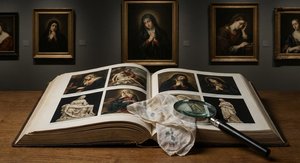
Explore the profound history of grief in art with WahooArt. Discover Renaissance & Baroque masterpieces depicting loss, mourning, and faith. Expert insights & handmade reproductions available.

Explore the profound representation of solitude in Western art from the Renaissance to Modernism. Discover iconic paintings & artists like Goya, Friedrich, and Rossetti. Handmade oil reproductions available at WahooArt.

Explore the life & work of David Hockney, Pop Art's master chronicler. Discover his iconic paintings, Californian landscapes, and lasting influence on modern art. Expert analysis for collectors.

Explore the life & art of Jacques-Louis David, leading Neoclassical painter of the French Revolution. Discover iconic works like 'The Death of Marat' and his lasting impact on art history. Expert analysis & high-quality reproductions at WahooArt.


 미리보기
미리보기
 공유하기
공유하기 공유하기
공유하기
 상세 정보
상세 정보 Guide
Guide

 다운로드
다운로드
 유사 작품
유사 작품 X-레이
X-레이 슬라이드 쇼
 통계 정보
통계 정보

 더 보기
더 보기









 유리 옵션은 110cm 미만 크기에서만 선택 가능합니다.


