
빠른 제작과 다양한 마감 옵션을 제공하는 박물관 품질의 지클레이 또는 캔버스 프린트. ( 손으로 그린 그림 구매 디지털 이미지로 전환)
작품의 원본 비율을 유지하는 미리 설정된 크기 중에서 선택하세요.

특정 프레임이나 공간에 맞춰 직접 치수를 입력하실 수 있습니다. 선택하신 사이즈가 원본 이미지의 비율과 일치하지 않을 경우, 작품을 크롭(자르기)하거나 이미지를 대칭 또는 단색 채우기로 확장하여 제작합니다. 제작 시작 전, 최종 확인을 위해 디지털 목업이 전송됩니다.
화면상의 미리보기는 실제 크롭이나 확장 상태를 반영하지 않으므로, 최종 구도는 오직 목업을 통해서만 정확하게 확인하실 수 있습니다.
맞춤 사이즈 제작도 가능하지만, 원본 비율을 유지하기 위해서는 사전 정의된 목록에서 치수를 선택하시는 것을 권장합니다.

Man in Shower in Beverly Hills
복제본 크기
David Hockney's 1964 painting, 'Man in Shower in Beverly Hills,' isn’t merely a depiction of a domestic scene; it’s a vibrant, almost hallucinatory capture of the burgeoning glamour and anxieties of early 1960s Los Angeles. Executed with Hockney’s signature use of acrylic paint on canvas, the work immediately draws the viewer into its saturated palette – bold pinks, greens, and yellows dominate, reflecting not just the physical environment but also a heightened sense of artificiality and desire that characterized the era. The painting's power lies in its deceptively simple composition: a solitary figure, seemingly lost in thought, stands beneath a showerhead within a meticulously rendered bathroom. This unassuming subject becomes a potent symbol of modern life, exploring themes of isolation, luxury, and the performance of identity – all hallmarks of Hockney’s artistic vision.
Created during a period of immense social and cultural change in America, 'Man in Shower' reflects the rise of Hollywood as a global phenomenon. The painting emerged against the backdrop of burgeoning consumerism, the influence of European modern art (particularly Matisse and Bacon), and the emergence of Pop Art. Hockney’s decision to depict this seemingly mundane scene – a man showering – was deliberately provocative. It challenged traditional notions of artistic subject matter, elevating everyday life to the level of high art. The painting's location in Beverly Hills, a symbol of wealth and aspiration, further amplifies its commentary on the American Dream and the anxieties surrounding success and status.
Hockney’s technique is instantly recognizable – characterized by his confident brushstrokes, vibrant color choices, and a deliberate flattening of perspective. He eschews traditional realism in favor of an expressive style that prioritizes sensation over precise representation. The use of acrylic paint allowed for rapid layering and blending, contributing to the painting's luminous quality. Notice how Hockney uses light and shadow not to create depth but to emphasize form and color. This technique creates a sense of immediacy and almost photographic realism, despite the stylized rendering. The composition is carefully balanced, with the figure occupying a central position while the surrounding elements – the chair, sink, and showerhead – are rendered with meticulous detail.
'Man in Shower' transcends its literal subject matter to evoke a deeper emotional response. The solitary figure embodies feelings of isolation and introspection within a world of excess. The shower itself can be interpreted as a metaphor for cleansing, both physically and psychologically – a desire to escape the pressures of modern life. The painting’s bright colors contribute to this sense of unease, creating a visually stimulating yet emotionally detached atmosphere. It's a work that invites contemplation on themes of identity, alienation, and the pursuit of happiness in an increasingly complex world. The image continues to resonate today, offering a fascinating glimpse into a pivotal moment in American art history and culture.


1937 - , 영국
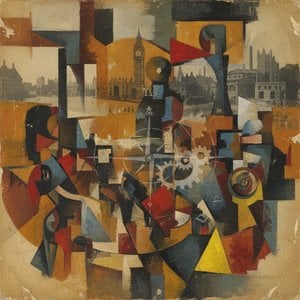
Explore the groundbreaking work of David Bomberg, a pivotal figure in British abstraction. Discover his artistic evolution, influences, and lasting legacy through insightful analysis & expert commentary.

Explore the luminous landscapes of Thomas Hill, a pivotal figure in the Hudson River School & Luminism movements. Discover his artistic journey, philosophical depth, and enduring legacy with WahooArt.

Explore the life & work of David Hockney, Pop Art's master chronicler. Discover his iconic paintings, Californian landscapes, and lasting influence on modern art. Expert analysis for collectors.

Explore the captivating world of Gerard David, a pivotal figure bridging late medieval artistry with the Early Renaissance. Discover his innovative techniques, religious masterpieces, and enduring legacy – a must-read for discerning art collectors.

Explore the life & art of Jacques-Louis David, leading Neoclassical painter of the French Revolution. Discover iconic works like 'The Death of Marat' and his lasting impact on art history. Expert analysis & high-quality reproductions at WahooArt.


 미리보기
미리보기
 공유하기
공유하기 공유하기
공유하기
 상세 정보
상세 정보 가이드 보기

 다운로드
다운로드
 유사 작품
유사 작품 X-레이
X-레이 슬라이드 쇼
 통계 정보
통계 정보

 더 보기
더 보기






































 유리 옵션은 110cm 미만 크기에서만 선택 가능합니다.


