


이 페이지에 표시된 작품은 저작권법의 보호를 받으며, 이에 따라 동일한 복제품을 제작하거나 판매하는 것은 법으로 금지되어 있습니다. 이러한 권리 보호는 다음과 같은 국제 협약에 따라 시행됩니다. 베른 협약 또한 다음에서 명시하는 법률을 포함한 국내법에 의해 보호됩니다. 미국 저작권법 제17조.
이 방식은 저작권 보호를 받는 예술 작품을 복제하거나 그대로 재현하는 것이 아니기에 저작권 규정을 완벽히 준수합니다. 대신, 이는 창의적인 재해석의 과정을 거칩니다. 즉, 원작에서 영감을 받되 원작과 동일하지 않은 새로운 회화 작품을 의미합니다.
빠른 제작과 다양한 마감 옵션을 제공하는 박물관 수준의 지클레이 및 캔버스 프린트. ( 수작업 채색 복제본 주문하기 디지털 이미지로 전환)





























작품의 원본 비율을 그대로 유지하는 프리셋 사이즈 중에서 선택해 보세요.

액자나 벽면 크기에 맞춰 필요한 가로와 세로 길이를 입력해 주세요. 프린트는 원본 이미지보다 크게 제작할 수 없으며 오직 자르는 것만 가능하므로, 비율이 다른 사이즈를 선택할 경우 이미지의 일부가 잘려 나갈 수 있습니다. 인쇄 작업에 들어가기 전, 최종 확인을 위해 디지털 목업을 보내드립니다. 이 페이지에 표시된 이미지는 실제 잘리는 영역을 나타내지 않으며, 오직 목업을 통해서만 정확한 확인이 가능합니다.
Diana
복제본 크기
David Bomberg’s Diana, painted in 1943, immediately draws the viewer into a moment of profound introspection. The central figure, clad in a striking red jacket, commands attention against a warm, almost incandescent orange background. Her posture—hand delicately placed near her face, suggesting contemplation or perhaps a momentary veil over deep thought—lends an air of enigmatic grace to the composition. Bomberg, a key member of the vibrant 'Whitechapel Boys,' captures not just a likeness, but a palpable state of being. The interplay between the vivid red garment and the surrounding autumnal glow creates an immediate visual tension, anchoring the viewer's gaze to the woman’s downward, thoughtful expression.
To appreciate Diana is to understand the trajectory of early 20th-century British modernism. While Bomberg’s training exposed him to the structured lessons of Cézanne and the dynamism of avant-garde movements, this piece retains a raw, emotional immediacy characteristic of his later work. His technique here suggests a masterful handling of paint, where form is suggested through bold planes of color rather than minute detail. The presence of other figures—one subtly placed in the upper left and another near the bottom right—suggests that the central subject exists within a larger social or psychological tableau. These secondary elements do not distract; rather, they frame the primary emotion, giving the scene depth beyond a simple portrait.
The title, Diana, evokes classical associations with the huntress and the goddess of the moon—figures often linked to mystery, independence, and feminine power. Yet, Bomberg grounds this mythological echo in a very human moment. The red jacket can be interpreted as passion or vitality against the backdrop of the fading orange light, perhaps symbolizing memory or the passage of time itself. The woman’s gesture is universally understood: it speaks of secrets held close, of beauty observed from within. For the collector or designer, this painting offers more than mere decoration; it offers a conversation piece—a meditation on introspection that resonates deeply in contemporary life.
Reproducing the power of Diana allows one to integrate a piece steeped in artistic history and emotional weight into any interior space. The rich palette, dominated by the fiery contrast of red and orange, makes it an exceptional focal point for rooms seeking depth and character. Whether displayed above a console table or as a centerpiece in a gallery wall, this reproduction captures Bomberg’s unique ability to infuse everyday subjects with monumental feeling. It is a piece that demands a pause, inviting quiet contemplation amidst the bustle of modern living.
Modernism 사조 안에서, "Diana"은(는) Reflective한 어조로 기록되어 있습니다.
"Diana"의 증강 현실(AR) 미리보기를 경험해 보세요. 호환 가능한 기기에서 작품의 AR로 미리보기 페이지를 통해 여러분의 공간에 배치된 작품을 확인하실 수 있습니다.
원작 데이비드 봄버그의 "Diana"은(는) 크기 41 x 36 cm의 Oil On Canvas 작품입니다. 기법과 크기는 원작의 정보를 나타냅니다.

폴란드계 유대인 이민자인 아브라함과 레베카 봄버그 사이에서 태어난 그는, 버밍엄에서 석판화가로서의 훈련을 받기 전 시티 앤 길즈 기술 미술 학교(City and Guilds Technical Art School)에서 예술적 기초를 다졌습니다.
이후 웨스트민스터 미술 학교(1908-1910)에서 월터 시커트(Walter Sickert) 문하에 수학하며, 형태와 도시 생활에 집중했던 시커트의 화풍에 깊은 영향을 받았습니다. 또한 1910년 로저 프라이(Roger Fry)가 기획한 "마네와 후기 인상주의자들" 전시를 통해 폴 세잔의 예술 세계를 강렬하게 접하게 됩니다. 1911년에는 슬레이드 미술 학교(Slade School of Art)에 입학하였으며, 동료 학생이었던 아이작 로젠버그(Isaac Rosenberg)를 그린 드로잉으로 톤크 상(Tonks Prize)을 수상하며 재능을 인정받았습니다.
제1차 세계 대전 당시 일병으로서 겪었던 참혹한 경험은 그의 예술적 비전에 깊은 흔적을 남겼으며, 이는 추상적인 실험에서 벗어나 새로운 길을 모색하는 결정적인 계기가 되었습니다.
1920년대에 들어서며 봄버그는 보다 구상적인 화풍을 채택하였고, 자연으로부터 직접 포착한 인물화와 풍경화에 집중하기 시작했습니다. 이 시기 그는 질감이 느껴지는 임파스토(impasto) 기법과 정서적 강렬함이 돋램나는, 더욱 발전된 표현주의적 기법을 선보였습니다.
중동(특히 팔레스타인)과 유럽을 아우르는 광범위한 여정은 그의 후기 작업에 중대한 영향을 미쳤으며, 특히 예루살렘을 묘사한 작품들은 오늘날까지도 매우 높게 평가받고 있습니다.

1890 - 1957 , 영국

Decode the profound symbolism of hands in masterworks from Van Gogh to Hindu mudras. Explore the silent language of art with our expert guide.

Discover the profound beauty of Contemporary Impressionism. Explore how masters capture light and emotion through textured brushwork and vibrant color, perfect for discerning collectors seeking timeless elegance and museum-quality artistry for luxury interiors.
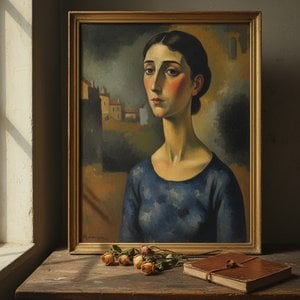
Delve into the haunting beauty of Amedeo Modigliani's portraits. Explore the intersection of Expressionism and Modernism through an expert analysis of his iconic elongated forms, melancholic gazes, and profound influence on art history.

Explore the profound symbolism of red hair through iconic masterpieces. Discover the fiery allure of art history with our expert guide.
 미리보기
미리보기
 공유하기
공유하기 공유하기
공유하기
 상세 정보
상세 정보 가이드 보기

 다운로드
다운로드
 유사 작품 더 보기
 X-레이
X-레이 슬라이드 쇼 보기
 질의응답
질의응답
 통계 정보
통계 정보


 더 보기
더 보기









 유리 옵션은 110cm 미만 크기에서만 선택 가능합니다.


