


이 페이지에 표시된 작품은 저작권법의 보호를 받으며, 이에 따라 동일한 복제품을 제작하거나 판매하는 것은 법으로 금지되어 있습니다. 이러한 권리 보호는 다음과 같은 국제 협약에 따라 시행됩니다. 베른 협약 또한 다음에서 명시하는 법률을 포함한 국내법에 의해 보호됩니다. 미국 저작권법 제17조.
이 방식은 저작권 보호를 받는 예술 작품을 복제하거나 그대로 재현하는 것이 아니기에 저작권 규정을 완벽히 준수합니다. 대신, 이는 창의적인 재해석의 과정을 거칩니다. 즉, 원작에서 영감을 받되 원작과 동일하지 않은 새로운 회화 작품을 의미합니다.
빠른 제작과 다양한 마감 옵션을 제공하는 박물관 수준의 지클레이 및 캔버스 프린트. ( 수작업 채색 복제본 주문하기 디지털 이미지로 전환)





























작품의 원본 비율을 그대로 유지하는 프리셋 사이즈 중에서 선택해 보세요.

액자나 벽면 크기에 맞춰 필요한 가로와 세로 길이를 입력해 주세요. 프린트는 원본 이미지보다 크게 제작할 수 없으며 오직 자르는 것만 가능하므로, 비율이 다른 사이즈를 선택할 경우 이미지의 일부가 잘려 나갈 수 있습니다. 인쇄 작업에 들어가기 전, 최종 확인을 위해 디지털 목업을 보내드립니다. 이 페이지에 표시된 이미지는 실제 잘리는 영역을 나타내지 않으며, 오직 목업을 통해서만 정확한 확인이 가능합니다.
Cuenca
복제본 크기
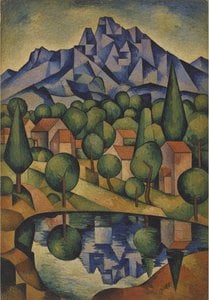
In his 1934 masterpiece, Cuenca, David Bomberg invites the viewer into a profound meditation on solitude and the enduring resilience of life amidst the overwhelming grandeur of nature. This oil on canvas transcends a mere topographical record of a Spanish hillside; it is an evocative window into a landscape where human presence and geological majesty exist in a delicate, poetic tension. The painting captures a panoramic view of a town nestled precariously yet harmoniously upon a rugged slope, where humble dwellings are scattered like quiet thoughts across the vast, undulating terrain. Through his masterful command of the medium, Bomberg distills the essence of this mountainous vista, offering an experience that is as much about emotional depth as it is about visual splendor.
The composition is anchored by a sense of monumental scale, with towering mountains dominating the horizon and creating a backdrop of immense power. In the foreground, trees punctuate the view, providing essential textural contrast and guiding the eye into the expansive scene. The sky, draped in soft, cloudy layers, lends an atmospheric weight to the work, suggesting the shifting moods of a mountain climate. This deliberate framing creates a captivating dialogue between the intimacy of the human settlement and the infinite scale of the natural world, fostering a contemplative space where themes of permanence and vulnerability intertwine.
Rooted in the transformative principles of Modernism, Cuenca showcases Bomberg’s sophisticated engagement with the legacies of Cubism and the structural insights of Cézanne. The artist employs a technique that prioritizes geometric simplification and multiple perspectives to sculpt spatial depth within the landscape. Rather than relying on rigid outlines, he utilizes loose, expressive brushstrokes that capture the very dynamism of the mountain air, imbuing the scene with a palpable sense of movement and life. This fluid application of paint allows the forms of the mountains and buildings to emerge organically from the canvas.
The color palette is masterfully restrained, leaning toward muted, earthy tones—predominantly rich browns and deep greens—that reflect the subdued, soulful hues characteristic of an autumnal landscape. Bomberg’s skillful use of tonal gradations allows him to define mass and volume, creating a sense of "the artist's consciousness of mass." This approach ensures that every element, from the smallest stone structure to the most distant peak, possesses a physical presence that feels both grounded and ethereal. For the discerning collector or interior designer, this work offers a sophisticated interplay of texture and tone, making it a timeless addition to any curated space.
To understand Cuenca is to understand a pivotal moment in Bomberg’s artistic evolution. Created during a period when the artist was moving away from the radical, fractured geometries of his earlier Cubo-Futurist years, this work represents a return to an aesthetic rooted in nature and organic form. The trauma of the First World War and the subsequent shift toward a more figurative, landscape-driven style are palpable here; there is a search for the sublime within the natural world that replaces the mechanical fervor of his youth. The painting reflects a period of profound transition, where the artist sought to realize the poetry found in mankind's contemplation of nature.
The emotional impact of the piece lies in its ability to evoke a sense of quiet awe. It is a work that speaks to the heart of anyone moved by the beauty of the untamed world and the quiet strength of those who inhabit it. Whether viewed as a study of light and shadow or as a symbolic representation of human endurance, Cuenca remains a visually arresting composition. For those seeking to bring a sense of historical depth and tranquil majesty into their surroundings, this reproduction serves as a powerful testament to Bomberg’s ability to capture the very breath of the landscape.

폴란드계 유대인 이민자인 아브라함과 레베카 봄버그 사이에서 태어난 그는, 버밍엄에서 석판화가로서의 훈련을 받기 전 시티 앤 길즈 기술 미술 학교(City and Guilds Technical Art School)에서 예술적 기초를 다졌습니다.
이후 웨스트민스터 미술 학교(1908-1910)에서 월터 시커트(Walter Sickert) 문하에 수학하며, 형태와 도시 생활에 집중했던 시커트의 화풍에 깊은 영향을 받았습니다. 또한 1910년 로저 프라이(Roger Fry)가 기획한 "마네와 후기 인상주의자들" 전시를 통해 폴 세잔의 예술 세계를 강렬하게 접하게 됩니다. 1911년에는 슬레이드 미술 학교(Slade School of Art)에 입학하였으며, 동료 학생이었던 아이작 로젠버그(Isaac Rosenberg)를 그린 드로잉으로 톤크 상(Tonks Prize)을 수상하며 재능을 인정받았습니다.
제1차 세계 대전 당시 일병으로서 겪었던 참혹한 경험은 그의 예술적 비전에 깊은 흔적을 남겼으며, 이는 추상적인 실험에서 벗어나 새로운 길을 모색하는 결정적인 계기가 되었습니다.
1920년대에 들어서며 봄버그는 보다 구상적인 화풍을 채택하였고, 자연으로부터 직접 포착한 인물화와 풍경화에 집중하기 시작했습니다. 이 시기 그는 질감이 느껴지는 임파스토(impasto) 기법과 정서적 강렬함이 돋램나는, 더욱 발전된 표현주의적 기법을 선보였습니다.
중동(특히 팔레스타인)과 유럽을 아우르는 광범위한 여정은 그의 후기 작업에 중대한 영향을 미쳤으며, 특히 예루살렘을 묘사한 작품들은 오늘날까지도 매우 높게 평가받고 있습니다.

1890 - 1957 , 영국

Explore the profound transition from Cézanne’s structural Post-Impressionism to the revolutionary fractured forms of Cubism. A sophisticated journey through the evolution of modern art for the discerning collector and connoisseur of fine art history.

Discover how to curate emotionally resonant spaces with our expert guide on selecting romantic artworks. From Impressionist light to Romanticist passion, learn to choose masterpieces that evoke love and legacy through premium, hand-painted oil reproductions.

Explore the profound connection between landscape painting and the sublime through art history. Discover the masters of awe today.

Experience the magic of Jacques Villedieu's top 25 artworks. Explore a stunning fusion of modern life and classical mastery through premium art reproductions. From impressionist light to contemporary scenes, find museum-quality decor for your space. Discover all masterpieces on WahooArt.com
Explore the profound legacy of Paul Cézanne. Discover how his mastery of geometric forms and vibrant color bridged Impressionism and Cubism, offering timeless inspiration for fine art collectors and enthusiasts seeking to understand the foundations of modern art.
 미리보기
미리보기
 공유하기
공유하기 공유하기
공유하기
 상세 정보
상세 정보 가이드 보기

 다운로드
다운로드
 유사 작품 더 보기
 X-레이
X-레이 슬라이드 쇼 보기
 질의응답
질의응답
 통계 정보
통계 정보


 더 보기
더 보기









 유리 옵션은 110cm 미만 크기에서만 선택 가능합니다.


