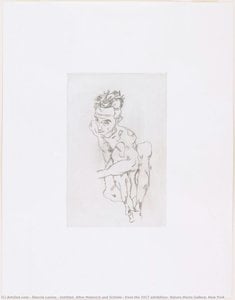
원하는 크기와 액자로 주문 제작되는, 작가들이 직접 캔버스에 손으로 그린 유화 작품입니다. ( 프린트 판매로 전환 디지털 이미지로 전환)





























작품의 원본 비율을 유지하는 미리 설정된 크기 중에서 선택하세요.

특정 프레임이나 공간에 맞도록 직접 크기를 입력할 수 있습니다. 선택하신 크기가 원본 이미지의 비율과 일치하지 않는 경우, 작품을 자르거나 추가적인 손으로 그린 요소를 사용하여 그림을 확장합니다. 제작 시작 전 승인을 위해 디지털 목업을 보내드립니다.
화면 미리 보기는 실제 자르기 또는 확장을 반영하지 않습니다. 최종 구성은 목업을 통해서만 정확하게 확인하실 수 있습니다.
맞춤 크기 제작도 가능하지만, 원본 비율을 유지하기 위해 사전 정의된 목록에서 크기를 선택하시는 것을 권장합니다.

Benchers Hall, Inner Temple
복제본 크기
To stand before this charcoal rendering of Benchers Hall within the Inner Temple is not merely to observe an architectural facade; it is to step into a moment suspended between rigorous structure and profound introspection. David Bomberg, in this evocative work from 1947, has achieved something far more elusive than mere documentation. He has captured the very atmosphere—the weighty, scholarly breath—of these ancient halls. The subject matter, undeniably architectural, serves as a vessel for his deeply personal vision. One can almost hear the hushed tones of debate and the rustle of centuries-old parchment echoing off the stone walls depicted.
Technically, this piece is a breathtaking study executed in charcoal on paper. Bomberg’s handling of the medium is nothing short of masterful. The monochromatic palette—a rich interplay of blacks, grays, and whites—allows the texture of the charcoal itself to become a primary artistic element. Observe how he uses hatching and cross-hatching; these are not just shading techniques but dynamic lines that build form from suggestion rather than solid outline. While the underlying geometry of the arches and windows suggests classical order, Bomberg’s line quality refuses to be purely academic. It possesses a restless energy, a loose sketchiness juxtaposed against firm structural definitions, giving the entire composition a vibrant, almost vibrating life force.
The way Bomberg structures the scene is particularly compelling. The strong horizontal sweep of the hall anchors the piece, yet this stability is countered by diagonal recession suggested by the pathway leading into the depth. He manipulates perspective with an intuitive grace; it is not a photographically perfect view, but rather an emotionally calibrated one. This deliberate fragmentation—the way elements seem slightly abstracted or viewed from an unusual angle—is key to its power. It forces the viewer’s eye to wander, searching for coherence within the expressive chaos, mirroring the intellectual process of deep study itself.
Given the date, 1947, this work carries an undeniable resonance with the post-war spirit. The somewhat melancholic, diffused lighting and the fragmented nature of the depiction can be read as a reflection on disruption—the sense that even the most enduring institutions must pass through periods of questioning or change. Bomberg transcends the role of chronicler; he becomes interpreter. The Inner Temple, usually symbols of immutable law and tradition, are rendered with an underlying current of introspection, suggesting that true permanence lies not in stone, but in the ideas nurtured within those walls.
For collectors or designers seeking art that speaks to history, intellect, or quiet contemplation, this reproduction offers unparalleled depth. It is a piece that rewards close looking; one might spend hours tracing the interplay of shadow and line, discovering new textures in the charcoal as the light shifts. Owning this work means curating not just an object for a space, but an enduring mood—a sophisticated echo of academic grandeur tempered by the raw, passionate energy of modern expressionism.

폴란드계 유대인 이민자인 아브라함과 레베카 봄버그 사이에서 태어난 그는, 버밍엄에서 석판화가로서의 훈련을 받기 전 시티 앤 길즈 기술 미술 학교(City and Guilds Technical Art School)에서 예술적 기초를 다졌습니다.
이후 웨스트민스터 미술 학교(1908-1910)에서 월터 시커트(Walter Sickert) 문하에 수학하며, 형태와 도시 생활에 집중했던 시커트의 화풍에 깊은 영향을 받았습니다. 또한 1910년 로저 프라이(Roger Fry)가 기획한 "마네와 후기 인상주의자들" 전시를 통해 폴 세잔의 예술 세계를 강렬하게 접하게 됩니다. 1911년에는 슬레이드 미술 학교(Slade School of Art)에 입학하였으며, 동료 학생이었던 아이작 로젠버그(Isaac Rosenberg)를 그린 드로잉으로 톤크 상(Tonks Prize)을 수상하며 재능을 인정받았습니다.
제1차 세계 대전 당시 일병으로서 겪었던 참혹한 경험은 그의 예술적 비전에 깊은 흔적을 남겼으며, 이는 추상적인 실험에서 벗어나 새로운 길을 모색하는 결정적인 계기가 되었습니다.
1920년대에 들어서며 봄버그는 보다 구상적인 화풍을 채택하였고, 자연으로부터 직접 포착한 인물화와 풍경화에 집중하기 시작했습니다. 이 시기 그는 질감이 느껴지는 임파스토(impasto) 기법과 정서적 강렬함이 돋램나는, 더욱 발전된 표현주의적 기법을 선보였습니다.
중동(특히 팔레스타인)과 유럽을 아우르는 광범위한 여정은 그의 후기 작업에 중대한 영향을 미쳤으며, 특히 예루살렘을 묘사한 작품들은 오늘날까지도 매우 높게 평가받고 있습니다.

1890 - 1957 , 영국

Discover the profound power of Expressionist art. From the raw intensity of Edvard Munch to the visceral textures of Neo-Expressionism, explore how subjective emotion and distorted reality define this movement. An expert guide for discerning collectors seeking depth and soul in fine art.

Elevate your artistry with this definitive expert guide to mastering charcoal. Designed for art students, learn professional techniques for capturing profound depth, intricate textures, and dramatic shadows through advanced blending and chiaroscuro methods.

Explore the profound artistry of graphite drawing. Discover professional techniques for mastering depth, texture, and detail through a lens of art history, from classical sketches to modern masterpieces. Elevate your understanding of the pencil medium with our expert guide.

Elevate your artistic practice with this expert guide to mastering the line. Discover advanced techniques in graphite, charcoal, and contour drawing designed for art students seeking technical precision and expressive depth in their fine art studies.

Discover the sophisticated mastery of graphite drawing. Explore expert techniques for achieving profound depth, intricate texture, and hyper-realistic detail through the alchemy of carbon, curated for the discerning art enthusiast and professional collector.


 미리보기
미리보기
 공유하기
공유하기 공유하기
공유하기
 상세 정보
상세 정보

 다운로드
다운로드
 유사 작품
유사 작품 X-레이
X-레이 슬라이드 쇼
 통계 정보
통계 정보


 더 보기
더 보기









 유리 옵션은 110cm 미만 크기에서만 선택 가능합니다.