
빠른 제작과 다양한 마감 옵션을 제공하는 박물관 품질의 지클레이 또는 캔버스 프린트. ( 손으로 그린 그림 구매 디지털 이미지로 전환)





























작품의 원본 비율을 유지하는 미리 설정된 크기 중에서 선택하세요.

특정 프레임이나 공간에 맞춰 직접 치수를 입력하실 수 있습니다. 선택하신 사이즈가 원본 이미지의 비율과 일치하지 않을 경우, 작품을 크롭(자르기)하거나 이미지를 대칭 또는 단색 채우기로 확장하여 제작합니다. 제작 시작 전, 최종 확인을 위해 디지털 목업이 전송됩니다.
화면상의 미리보기는 실제 크롭이나 확장 상태를 반영하지 않으므로, 최종 구도는 오직 목업을 통해서만 정확하게 확인하실 수 있습니다.
맞춤 사이즈 제작도 가능하지만, 원본 비율을 유지하기 위해서는 사전 정의된 목록에서 치수를 선택하시는 것을 권장합니다.

Lead Processing at Leadhills Washing the Ore
복제본 크기
David Allan's "Lead Processing at Leadhills Washing the Ore," painted in 1789, isn’t merely a depiction of a 18th-century mining operation; it’s a carefully constructed tableau brimming with historical significance, social commentary, and a surprisingly romanticized vision of labor. This oil on canvas masterpiece, now housed at the National Galleries of Scotland, transports us to the heart of Leadhills, a small town in South Lanarkshire renowned for its lead mines – a vital industry fueling the burgeoning industrial landscape of Great Britain. Allan’s work offers a rare glimpse into the daily lives and arduous tasks undertaken by those who extracted this essential metal, revealing both the grit and the surprisingly dignified routine of early industrial life.
The scene unfolds within a dimly lit barn or workshop, dominated by a colossal white tub overflowing with molten glass – a detail that immediately suggests the broader context of glassmaking, a craft intimately linked to the mining operations. Three figures are engaged in various stages of this process: a man stirring the molten material with a long metal rod, another carefully collecting finished pieces into a wooden tray, and a third overseeing the operation from a slightly removed position. Allan’s composition is deliberately flattened, eschewing dramatic perspective for a focus on capturing the activity itself – a deliberate choice that emphasizes the relentless rhythm of work and the physicality of the labor involved. The muted color palette—browns, grays, and whites—reflects the raw materials and the inherent austerity of the setting, while subtle blues within the glass and clothing provide visual interest and prevent the scene from becoming entirely monochromatic.
Allan’s artistic style is firmly rooted in Neoclassicism, a movement that drew inspiration from the art and architecture of ancient Greece and Rome. This influence is evident in the carefully rendered figures, their poses conveying a sense of order and dignity despite the demanding nature of their work. However, Allan's Scottish heritage subtly infuses this classical framework with a distinctly local sensibility. The rugged landscape—the rolling Lowther Hills visible in the background—and the depiction of a specific regional industry ground the painting firmly within its geographical context. The inclusion of the Earl of Hopetoun’s patronage further underscores this connection, suggesting that Allan was commissioned to celebrate and legitimize a significant local enterprise.
Born in Alloa, Scotland, David Allan's early life was shaped by his father’s position as harbor master, exposing him to the world beyond his native land. His time in Rome profoundly influenced his artistic development, where he meticulously copied masterpieces by Gavin Hamilton, honing his skills in form and technique. This Italian sojourn instilled a deep appreciation for classical ideals, which he then skillfully integrated into his depictions of Scottish life.
Beyond its straightforward portrayal of mining operations, “Lead Processing at Leadhills” carries layers of symbolic meaning. Allan’s decision to romanticize the work—to present it with a degree of grace and dignity—is particularly noteworthy. In an era marked by harsh working conditions and social inequalities, he subtly elevates the status of these laborers, suggesting that their efforts contribute to the prosperity of the nation. The inclusion of a classically posed couple in the background further reinforces this message, creating a visual dialogue between the rustic realities of mining and the ideals of Enlightenment society.
The scattered blue objects on the floor—likely glass beads or fragments—serve as a potent reminder of the interconnectedness of industries within the region. Lead processing was intrinsically linked to glassmaking, highlighting the complex web of economic relationships that sustained Leadhills and its surrounding communities. The painting, therefore, becomes not just a record of a specific industry but a broader commentary on the social and economic dynamics of 18th-century Scotland.
“Lead Processing at Leadhills Washing the Ore” is more than simply a historical painting; it’s a powerful evocation of a bygone era. Allan's meticulous attention to detail—the textures of the wooden walls, the sheen of the molten glass, the expressions on the workers’ faces—transport us back in time, allowing us to connect with the lives and experiences of those who labored in these demanding conditions. Reproductions of this captivating artwork offer a unique opportunity to bring this slice of Scottish history into our homes, serving as both a decorative object and a poignant reminder of the enduring legacy of industry and craftsmanship.


1744 - 1796 , 미국
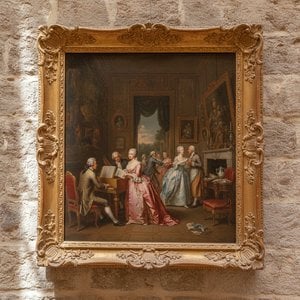
Explore the profound beauty of genre painting. From Dutch Golden Age masters to global traditions, discover how artists capture the essence of everyday life through masterful realism and timeless storytelling.


 미리보기
미리보기
 공유하기
공유하기 공유하기
공유하기
 상세 정보
상세 정보

 다운로드
다운로드
 유사 작품
유사 작품 X-레이
X-레이 슬라이드 쇼
 통계 정보
통계 정보


 더 보기
더 보기









 유리 옵션은 110cm 미만 크기에서만 선택 가능합니다.


