
원하는 크기와 액자로 주문 제작되는, 작가들이 직접 캔버스에 손으로 그린 유화 작품입니다. ( 프린트 판매로 전환 디지털 이미지로 전환)





























작품의 원본 비율을 유지하는 미리 설정된 크기 중에서 선택하세요.

특정 프레임이나 공간에 맞도록 직접 크기를 입력할 수 있습니다. 선택하신 크기가 원본 이미지의 비율과 일치하지 않는 경우, 작품을 자르거나 추가적인 손으로 그린 요소를 사용하여 그림을 확장합니다. 제작 시작 전 승인을 위해 디지털 목업을 보내드립니다.
화면 미리 보기는 실제 자르기 또는 확장을 반영하지 않습니다. 최종 구성은 목업을 통해서만 정확하게 확인하실 수 있습니다.
맞춤 크기 제작도 가능하지만, 원본 비율을 유지하기 위해 사전 정의된 목록에서 크기를 선택하시는 것을 권장합니다.

The Gate of Memory
복제본 크기
In the quiet, evocative depths of Dante Gabriel Rossetti’s 1864 masterpiece, The Gate of Memory, viewers are invited to step away from the frantic pace of the modern world and enter a realm of soft shadows and profound nostalgia. This work stands as a breathtaking bridge between the meticulous detail of the Pre-Raphaelite Brotherhood and the burgeoning mystery of the Symbolist movement. Rather than presenting a sharp, photographic reality, Rossetti offers a dreamlike threshold—an arched doorway that serves not merely as a structural element within the composition, but as a psychological gateway. The painting captures a moment suspended in time, where the boundaries between the present and the past blur into a single, melancholic breath.
The scene unfolds with a delicate, almost ghostly intimacy. Figures, perhaps women and children, are clustered near the entrance, their forms rendered with a soft-focus tenderness that suggests they are more like echoes than flesh and blood. A solitary figure stands apart to the right, acting as a silent witness whose gaze pulls the viewer into the shared experience of contemplation. This arrangement creates a poignant tension between the warmth of communal gathering and the profound isolation of individual reflection. For the collector or interior designer, this piece offers a unique emotional anchor, providing a sense of stillness and historical weight that can transform a room into a sanctuary of thought.
Technically, The Gate of Memory is a triumph of atmospheric layering. Rossetti eschews the hard, clinical outlines often associated with his early Pre-Raphaelite peers, opting instead for a technique that feels as fluid as a fading thought. Utilizing what appears to be a masterful blend of chalk, pastel, and perhaps subtle watercolor washes on paper, he achieves a velvety texture that is almost tactile. The palette is a sophisticated symphony of warm earth tones—deep browns, burnt oranges, and muted reds—which bathe the scene in a sepia-toned glow reminiscent of an old, cherished photograph found in an attic trunk.
The lighting within the work is diffuse and indirect, lacking harsh shadows but possessing a luminous, internal radiance. A subtle suggestion of light emanating from above or perhaps from a distant lantern creates a hazy, ethereal atmosphere that mimics the way memories lose their sharp edges over time. This soft-focus approach allows colors to bleed into one another, creating organic shapes and flowing lines that enhance the painting's dreamlike quality. It is this very technique—the intentional blurring of reality—that makes the artwork so effective in conveying its central theme: the elusive, shimmering nature of recollection.
Beyond its visual beauty, the painting is steeped in the rich symbolic language characteristic of Rossetti’s polymathic mind. As a poet as much as a painter, every element in The Gate of Memory serves a narrative purpose. The archway itself is a potent symbol of transition—the threshold between life and death, or between the clarity of the present and the fog of the past. The muted colors and soft textures do not merely decorate the scene; they embody the very concept of decay and preservation that defines human memory.
For those seeking to incorporate fine art into a curated space, this reproduction offers more than just aesthetic appeal; it offers a conversation piece rooted in the Victorian era's obsession with beauty, longing, and the spiritual. It is an ideal selection for spaces designed for reflection, such as libraries, study alcoves, or quiet sitting rooms. Owning a piece that echoes the soul of the Pre-Raphaelite tradition allows one to surround themselves with the enduring spirit of Rossetti—a reminder that even as time marches forward, the gates to our most precious memories remain eternally open.


1828 - 1882 , 영국

Immerse yourself in the warmth of earth tones. Explore 10 iconic masterpieces defined by clay, ochre, and terracotta hues. From classical techniques to timeless stories, find inspiration for your decor with museum-quality reproductions. Discover all masterpieces on WahooArt.com.
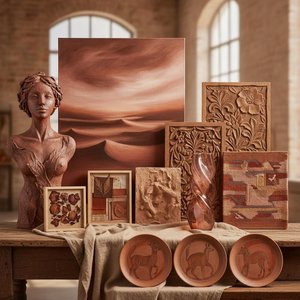
Immerse yourself in the warmth of history with 10 iconic paintings defined by rosy brown tones. Explore the stories, techniques, and movements behind these timeless masterpieces. Find museum-quality art reproductions for your decor. Discover all masterpieces on WahooArt.com.
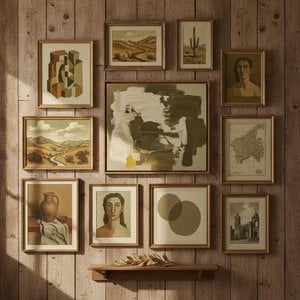
Immerse yourself in the serene beauty of earth tones. Explore 10 iconic paintings defined by khaki and neutral palettes, from Impressionism to classical landscapes. Find inspiration for your decor with museum-quality art reproductions. Discover all masterpieces on WahooArt.com.

Immerse yourself in the romantic beauty of Dante Gabriel Rossetti. Explore 25 iconic Pre-Raphaelite masterpieces, from soulful portraits to symbolic legends. Find museum-quality art reproductions and timeless decor inspiration. Discover all masterpieces on WahooArt.com.


 미리보기
미리보기
 공유하기
공유하기 공유하기
공유하기
 상세 정보
상세 정보 가이드 보기

 다운로드
다운로드
 유사 작품
유사 작품 X-레이
X-레이 슬라이드 쇼
 통계 정보
통계 정보

 더 보기
더 보기









 유리 옵션은 110cm 미만 크기에서만 선택 가능합니다.


