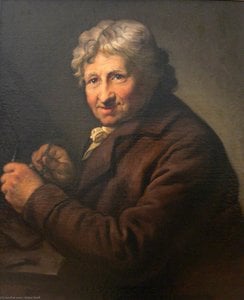
OilWallArtZopfstil Period
 1759
1759 30.0 x 24.0 cm
 슈타틸리체 무제엔
빠른 제작과 다양한 마감 옵션을 제공하는 박물관 품질의 지클레이 또는 캔버스 프린트. ( 손으로 그린 그림 구매 디지털 이미지로 전환)





























작품의 원본 비율을 유지하는 미리 설정된 크기 중에서 선택하세요.

특정 프레임이나 공간에 맞춰 직접 치수를 입력하실 수 있습니다. 선택하신 사이즈가 원본 이미지의 비율과 일치하지 않을 경우, 작품을 크롭(자르기)하거나 이미지를 대칭 또는 단색 채우기로 확장하여 제작합니다. 제작 시작 전, 최종 확인을 위해 디지털 목업이 전송됩니다.
화면상의 미리보기는 실제 크롭이나 확장 상태를 반영하지 않으므로, 최종 구도는 오직 목업을 통해서만 정확하게 확인하실 수 있습니다.
맞춤 사이즈 제작도 가능하지만, 원본 비율을 유지하기 위해서는 사전 정의된 목록에서 치수를 선택하시는 것을 권장합니다.

The Lying-in Room
복제본 크기
Daniel Nikolaus Chodowiecki's "The Lying-in Room," painted in 1759, isn’t merely a depiction of a scene; it’s a meticulously rendered window into the quiet intimacy and profound realities of 18th-century life. Housed within the Staatliche Museen in Berlin, this oil on canvas offers a remarkably intimate portrait of domesticity—a world often overlooked by grand historical narratives. Chodowiecki, a master of capturing the nuances of bourgeois society through his prints and paintings, here eschews dramatic gesture for a subtle realism that speaks volumes about the roles and experiences of women during that era.
The painting immediately draws the eye to the central figure – a woman seated on a bed, her posture suggesting both diligence and weariness. She’s engaged in sewing, a task ubiquitous in households across Europe at the time, yet Chodowiecki elevates this commonplace activity into something imbued with quiet dignity. The details are astonishing: the precise arrangement of the cushions, the delicate stitching visible on the fabric, even the slight furrow of her brow—all contribute to a sense of palpable presence. The surrounding furniture – a simple chair with a green cushion and a small table holding a bowl – further anchors the scene in a believable, lived-in space. The muted color palette, dominated by creams, greens, and browns, creates a warm, almost comforting atmosphere, despite the inherent vulnerability suggested by the subject’s position.
The very title, “The Lying-in Room,” is crucial to understanding the painting's context. This wasn’t simply a room; it was a space deeply intertwined with the rhythms of childbirth and the anxieties surrounding motherhood. In 18th-century Europe, particularly in Prussia (where Chodowiecki spent much of his career), women often spent weeks—sometimes months—in this dedicated chamber following delivery, recovering from labor and caring for their newborns. It was a space of both physical healing and emotional vulnerability, a sanctuary where the mother’s well-being took precedence. Chodowiecki's choice to depict this scene – a woman quietly attending to her duties within this intimate setting – offers a rare glimpse into the often-invisible labor and resilience of women during that period.
Chodowiecki’s skill as an artist is evident in every brushstroke. He employs a technique known as “Zopfstil,” characterized by its meticulous detail and realistic rendering of textures – the fabric, the wood grain, even the subtle shadows on the woman's face. The painting isn’t overly dramatic; rather, it relies on a quiet observation of light and shadow to create depth and form. Notice how he uses highlights to draw attention to the woman’s hands as she works, emphasizing her agency within this domestic scene. The composition is carefully balanced, with the bed dominating the background while the woman remains firmly in the foreground, ensuring that she is both a participant and the focal point of the image.
Beyond its realistic depiction of daily life, “The Lying-in Room” carries significant symbolic weight. The room itself represents not just physical recovery but also the transition from womanhood to motherhood—a pivotal moment in a woman’s life. The quiet solitude of the scene speaks to the private nature of this experience, while the simple act of sewing symbolizes both creation and care. There's an underlying sense of dignity and resilience conveyed by the subject – she is not presented as a passive figure but as someone actively engaged in her role within the household. The painting invites us to contemplate the quiet strength and enduring spirit of women who shaped the lives of their families and communities.
For those seeking to experience this remarkable artwork firsthand, or to bring its evocative atmosphere into their own homes, high-quality oil painting reproductions are available through platforms like WahooArt.com. These meticulously crafted copies capture the essence of Chodowiecki’s original while offering a more accessible and affordable option. Preserving works like “The Lying-in Room” is vital not only for art historians but also for future generations, ensuring that we continue to appreciate the rich tapestry of human experience depicted within its frame.

다니엘 니콜라와 초도비에츠키는 폴란드의 유산과 독일 예술계의 삶이 교차하는 지점에 서 있는 매혹적인 인물입니다. 1726년 단치히(그단스크)에서 태어난 그의 어린 시절은 훗날 그의 섬세한 시선에 영원히 각인될 문화적 토양 속에서 깊게 물들었습니다. 상인 가문과 위그노 혈통을 이어받은 그의 뿌리는 세대를 거쳐 이어져 왔지만, 그의 천재성을 완성시킨 결정적인 용광로는 결국 베를린이었습니다. 프로이센의 수도로 향했던 그의 여정은 스스로를 독일 땅에 옮겨 심어진 '진정한 폴란드인'이라 묘사한 편지 속에서 볼 수 있듯, 특유의 냉소적이면서도 자각적인 태도로 회상됩니다.
그의 예술적 교육은 열여섯 살의 나이에 베를린으로 이주하며 시작되었으며, 그곳에서 삼촌의 보살핌 아래 중요한 가르침을 받았습니다. 이러한 초기 기초 교육은 그의 재능이 꽃피울 수 있는 밑거름이 되었고, 마침내 그는 명성 높은 베를린 미술 아카데미의 인정받는 회원과 이후 부원장의 자리에 오르게 되었습니다. 그의 삶은 예술적 기교에 대한 헌신과 예술 공동체에 대한 흔들림 없는 애정을 바탕으로 꾸준히 전문적인 성취를 이루어온 과정이었습니다.
초도비에츠키의 작품 세계는 회화와 드로잉을 아우르지만, 그를 미술사적 위치에 확고히 각인시킨 것은 바로 그의 에칭(동판화)입니다. 그는 단순한 화가를 넘어, 당대 가장 찬사받았던 독일 그래픽 아티스트였습니다. 그가 남긴 수천 점의 섬세한 판화들은 18세기 후반을 기록한 비할 데 없는 시각적 일기 역할을 합니다. 이 작품들은 놀라운 친밀감을 간직하고 있어, 로코코의 화려함과 고전주의의 태동하는 구조 사이에서 과도기적 미학을 보여주는 '초프스틸(Zopfstil)' 시대, 즉 부상하던 부르주아 계층의 일상적인 리듬과 정적인 드라마를 엿보게 해줍니다.
특히 거의 모든 위대한 문학 고전을 아우르는 그의 책 삽화는 주목할 만한 가치가 있습니다. 초도비에츠키는 이러한 세밀한 묘사를 통해 단순한 장면을 넘어 시대의 감수성 전체를 포착하는 놀라운 능력을 보여주었습니다. 그의 예술은 당대를 관통했던 감수성 숭배(sensibility cult)를 유려하게 이야기하며, 치밀한 관찰력과 깊은 정서적 울림을 조화롭게 결합해 냈습니다.
초도비에츠키의 중요성은 단순한 기술적 숙련도를 넘어, 심오한 변화를 겪고 있던 한 시대의 기록자라는 점에 있습니다. 그의 판화는 그가 묘사한 사회의 중추였던 중산층의 삶을 들여다볼 수 있는 귀중한 창을 제공합니다. 이는 자칫 시간 속에 사라질 수도 있었던 예절, 패션, 그리고 가정생활에 대한 소중한 기록입니다.
1797년 베를린 미술 아카데미의 관장이 됨으로써 그는 제도적 지주로서의 역할을 공고히 했습니다. 따라서 그의 작품은 독일 예술 후원 체계 속에서 울려 퍼지는 폴란드 정체성의 메아리라는 개인적 역사와, 유럽을 휩쓸던 문화적 흐름에 대한 깊은 참여가 만나는 접점을 상징합니다. 초도비에츠키를 연구한다는 것은 에칭 바늘의 정밀함으로 그려낸 사적인 삶과 공적인 예술 사이의 섬세한 균형을 탐구하는 것과 같습니다.

1726 - 1801 , 폴란드

Elevate your home with museum-quality, hand-painted oil reproductions of iconic masterpieces. Discover bespoke art commissions, professional consultations, and timeless elegance designed to transform your living space into a curated gallery of history and luxury.

Elevate your interior design projects with our expert guide on matching masterpiece reproductions to luxury styles. Discover professional techniques for selecting hand-painted oils, multi-panel layouts, and custom commissions that transform spaces into curated galleries.
Discover the unparalleled elegance of WahooArt’s premium hand-painted oil reproductions. From bespoke portraits to museum-quality masterpieces, our expert artists transform visions into timeless legacies with 100% satisfaction guaranteed. Elevate your collection with true artistry.

Discover the profound allure of oil on canvas. Explore the mastery of impasto textures, the science of pigment longevity, and expert guides to selecting museum-quality reproductions that elevate your collection with timeless elegance and tactile depth.


 미리보기
미리보기
 공유하기
공유하기 공유하기
공유하기
 상세 정보
상세 정보 가이드 보기

 다운로드
다운로드
 유사 작품
유사 작품 X-레이
X-레이 슬라이드 쇼
 통계 정보
통계 정보 더 보기
더 보기









 유리 옵션은 110cm 미만 크기에서만 선택 가능합니다.