
x


 Acrylic On CanvasWallArtBaroque
 1650
1650 172.0 x 123.0 cm
 루브르 박물관
빠른 제작과 다양한 마감 옵션을 제공하는 박물관 품질의 지클레이 또는 캔버스 프린트. ( 손으로 그린 그림 구매 이미지 구매)





























작품의 원본 비율을 유지하는 미리 설정된 크기 중에서 선택하세요.

특정 프레임이나 공간에 맞춰 직접 치수를 입력하실 수 있습니다. 선택하신 사이즈가 원본 이미지의 비율과 일치하지 않을 경우, 작품을 크롭(자르기)하거나 이미지를 대칭 또는 단색 채우기로 확장하여 제작합니다. 제작 시작 전, 최종 확인을 위해 디지털 목업이 전송됩니다.
화면상의 미리보기는 실제 크롭이나 확장 상태를 반영하지 않으므로, 최종 구도는 오직 목업을 통해서만 정확하게 확인하실 수 있습니다.
맞춤 사이즈 제작도 가능하지만, 원본 비율을 유지하기 위해서는 사전 정의된 목록에서 치수를 선택하시는 것을 권장합니다.

Oriental Warrior
복제본 크기
Pier Francesco Mola's "Oriental Warrior," painted circa 1650, is more than just a portrait; it’s a meticulously crafted window into the cultural currents of 17th-century Italy and the burgeoning fascination with the East. This arresting image, now beautifully reproduced by WahooArt.com, transports us to a world of opulent attire, martial prowess, and subtle symbolism—a testament to Mola's skill as a landscape painter who skillfully incorporated elements of exoticism into his work. The painting’s immediate impact lies in its dramatic chiaroscuro, the masterful interplay of light and shadow that sculpts the warrior’s form and imbues the scene with an almost theatrical intensity.
Mola, known as “Il Ticinese” for his Swiss origins, was a pivotal figure within the Baroque landscape tradition. While often associated with grand frescoes, he carved out a unique niche through smaller, intensely detailed canvases like this one. His training under Cavalier d’Arpino instilled in him an appreciation for classical ideals, while his collaboration with Francesco Albani exposed him to the burgeoning interest in naturalistic observation—a crucial element that distinguishes Mola's work from the more overtly decorative styles prevalent in Rome at the time. The painting reflects this dual influence: a sophisticated understanding of artistic principles tempered by a keen eye for detail and realism.
The central figure, dressed in the rich attire of an Oriental warrior, immediately commands attention. His turban, adorned with a vibrant feather, speaks to his rank and status—a clear indication of his position within a hierarchical society. The dark robe and patterned vest further emphasize this sense of authority, while the two bows held aloft are not merely symbols of martial skill but also represent control, discipline, and mastery over one’s domain. The choice of materials – rich fabrics, intricate patterns – speaks to wealth and power, reflecting the values prized in many Eastern cultures depicted during this period.
Beyond the surface details, the attire carries deeper symbolic weight. The turban itself has been associated with leadership and spiritual authority across numerous cultures, adding another layer of meaning to the portrait. The warrior’s stance—confident yet poised—suggests not only physical strength but also mental fortitude and strategic thinking. He is a figure of command, embodying both power and grace.
Mola masterfully employs a cloudy sky as the backdrop, creating depth and atmosphere while simultaneously mirroring the warrior’s internal state—perhaps hinting at the challenges and responsibilities that come with leadership. The clouds are rendered with remarkable realism, demonstrating Mola's commitment to capturing the nuances of natural light and shadow. The painting was created during a period of intense interest in the Orient, fueled by trade routes, diplomatic exchanges, and a growing desire for exotic goods and experiences.
Notably, “Oriental Warrior” emerged during a time of conflict between Venice and Turkey (1645-56), adding another layer to its interpretation. The painting can be viewed as a reflection of this geopolitical tension—a celebration of military prowess amidst a backdrop of political instability. The subject matter itself – a Barbary Pirate – further underscores the era’s fascination with maritime adventure and the allure of distant lands.
Today, through WahooArt.com's meticulous reproductions, “Oriental Warrior” is accessible to a wider audience than ever before. The high-quality prints capture the painting’s rich colors, intricate details, and dramatic lighting with remarkable accuracy. Whether adorning a grand salon or a smaller study, this artwork offers a captivating glimpse into a bygone era—a testament to Mola's artistic vision and a timeless celebration of human strength, skill, and cultural exchange.
To acquire a high-quality reproduction of “Oriental Warrior” is not merely to purchase an image; it’s to bring home a piece of art history – a window into the world of 17th-century Italy and its enduring fascination with the Orient.

1612년 스위스의 고요한 안식처 콜드레리오에서 태어난, 일 티치네제(Il Ticinese)라는 이름으로 널리 알려진 피에트로 프란체스코 몰라(Pietro Francesco Mola)는 알프스의 그림자를 벗어나 로마 바로크 예술의 중심부에서 찬란한 존재로 떠올랐습니다. 그의 예술적 정체성은 마니에리스무스의 거장 카발리에 다르피노 아래에서의 엄격한 훈련을 시작으로, 다양한 영향력이 정교하게 어우러지며 형성되었습니다. 이 초기 교육은 그에게 디세뇨(disegno)—즉, 드로잉의 절제된 기술과 해부학적 정확성—에 대한 깊은 경외심을 심어주었으며, 이는 훗날 그가 자연을 더욱 유연하게 탐구할 때 구조적인 근간이 되었습니다. 이후 프란체스코 알바니의 영향권에 들어서면서 몰라의 화풍은 경직된 마니에리스무스의 허물을 벗고, 주변 세계의 살아있는 본질을 포착하려는 태동하는 자연주의를 받아들이기 시작했습니다.
예술가로서 몰라의 진화는 르네상스의 구조적인 고전적 이상에서 바로크 시대의 감정적이고 연극적인 역동성으로 나아가는 놀라운 전환을 보여줍니다. 동시대의 많은 화가가 프레스코 벽화로 채워진 거대한 천장의 규모에 집중했던 반면, 몰라는 빛과 대기를 세밀하게 연구할 수 있는 작고 친밀한 캔버스에서 자신만의 독특한 목소리를 찾아냈습니다. 그의 작품은 종종 구도의 지적 엄격함과 자연 풍경의 본능적인 아름다움을 잇는 가교 역할을 합니다. 이러한 이중성은 복잡한 알레고리적 주제를 만질 수 있을 듯 생생한 배경 속에 엮어내는 그의 능력에서 가장 극명하게 드러나며, 관람객을 부드러운 그림자와 풍부하고 매혹적인 질감을 통해 신성과 지상 세계가 교차하는 공간으로 초대합니다.
몰라의 진정한 천재성은 성서와 신화 속 이야기에 깊은 인간적 감정을 불어넣는 능력에 있습니다. 그의 회화는 단순한 삽화에 머물지 않습니다. 빛이 주요 주인공 역할을 수행하는 극적인 무대입니다. L'Ange Apparint à Agar dans le Désert와 같은 작품에서는 키아로스쿠로 기법을 사용하여 신성한 은총과 영적 취약함의 순간을 강조하는 그의 탁월한 조명 기술을 목격할 수 있습니다. 마찬가지로, Herminie et Valfrino soignent les blessures de Tancrede après le combat d'Argante와 같은 역사적 또는 전설적인 장면의 묘사는 갈등의 가혹한 현실 속에서도 보살핌과 자비라는 섬세한 뉘앙스를 포착하며 대상에 대한 깊은 공감을 보여줍니다.
순수하게 종교적이거나 영웅적인 주제를 넘어, 몰라는 알레고리에 대한 예리한 지성을 지니고 있었습니다. 그의 지리학의 알레고리(Allegory of Geography)는 인간의 호기심과 당대의 탐험 정신을 찬양하기 위해 바로크적 상징 언어를 활용하는 그의 능력을 증명합니다. 풍부한 색채와 세밀한 사실주의를 통해 그는 지도 제작법과 같은 추상적인 개념을 시각적인 장관으로 탈바꿈시켰습니다. 과학, 신화, 자연주의라는 서로 다른 요소들을 통합하는 이러한 능력은 고위 성직자부터 17세기의 지적 엘리트에 이르기까지 로마의 세련된 후원자들의 마음을 사로잡았습니다.
몰라가 전문 화가로서 최고의 인정을 받은 정점은 단연 로마 건축 경관에 남긴 공헌, 특히 퀴리날레 궁전 알렉산데르 7세 갤러리에 완성한 기념비적인 프레스코 연작이었습니다. Joseph Making Himself Proclaimed to His Brethren와 같은 작품을 포함한 이 의뢰 작업은 그를 당대 최고의 화가 반열에 올려놓았습니다. 이러한 대규모 작업에서 몰라는 바로크 미학이 요구하는 연극성과 정교한 고전적 균형감을 성공적으로 결합하며, 가장 친밀한 캔버스만큼이나 거대한 무대 또한 효과적으로 지배할 수 있음을 증명했습니다.
비록 그의 경력이 소품 위주의 다작으로 정의될지라도, 이탈리아 풍경화의 발전에 미친 그의 영향은 결코 과소평가될 수 없습니다. 순수하게 장식적인 방식에서 벗어나 보다 관찰적이고 대기적인 접근 방도으로써, 그는 후대 풍경화가들이 빛의 미묘한 변화와 대지의 거친 질감 속에서 아름다움을 발견할 수 있는 길을 열어주었습니다. 오늘까지 다 피에르 프란체스코 몰라(da Pier Francesco Mola)의 유산은 천상의 웅장함과 발아래 세상의 고요하고 살아있는 현실을 모두 포착해낼 수 있었던 한 화가의 힘을 보여주는 증거로서 미술사에 깊이 새겨져 있습니다.

1612 - 1666 , 스위스

바로크 예술의 풍요로운 세계를 탐험하고, 현대 인테리어에 감동을 불어넣는 방법을 WahooArt에서 만나보세요. 카라바조, 렘브란트 등 거장들의 작품과 키아로스쿠로 기법 활용 노하우를 공개합니다.

Explore the dramatic world of Baroque art! Discover iconic artists like Caravaggio & Rubens, defining techniques, and its lasting impact on art history. Expert insights for collectors & enthusiasts at WahooArt.
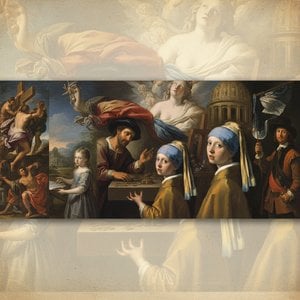
화려함과 극적인 표현이 압권! 바로크 미술을 대표하는 10대 걸작의 숨겨진 이야기를 만나보세요. 베르니니, 루벤스 등 거장의 작품부터 바로크 색감, 예술적 기법까지 – WahooArt.com에서 명품 복제 & 인테리어 영감을 얻으세요! 지금 바로 컬렉션을 탐험해보세요.
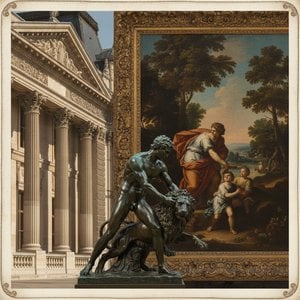
Explore the profound elegance of Baroque Classicism. Discover how 17th-century masters synthesized dramatic emotion with classical order through the lens of the Counter-Reformation and the works of legends like Carlo Maratta and Andrea Sacchi.

Explore the dramatic world of Baroque art! Discover iconic masters like Caravaggio & Rembrandt, their techniques, and the movement's lasting impact. Expert insights for collectors & enthusiasts at WahooArt.


최신 미술 뉴스, 특별 혜택 및 인테리어 아이디어를 가장 먼저 만나보세요.
프로젝트에 대해 알려주시면 저희 미술 전문가들이 맞춤형 아트 제안 3가지를 전달해 드립니다.
당신만을 위한 맞춤형 옵션 3가지를 무료로 추천해 드립니다!


 미리보기
미리보기
 공유하기
공유하기 공유하기
공유하기
 상세 정보
상세 정보

 다운로드
다운로드
 유사 작품
유사 작품 X-레이
X-레이 슬라이드 쇼
 더 보기
더 보기









 유리 옵션은 110cm 미만 크기에서만 선택 가능합니다.


