
x
미리보기미리보기 AR 미리보기AR 미리보기 손으로 그린 그림 구매 손으로 그린 그림 구매이미지 구매 이미지 구매 공유하기공유하기
상세 정보상세 정보 즐겨찾기에 추가 즐겨찾기에 추가 다운로드다운로드 유사 작품유사 작품 X-레이X-레이 슬라이드 쇼슬라이드 쇼

Farmyard with a Beggar

Experience the naturalism of Cornelis van Dalem's 16th-century Flemish genre scene, Farmyard with a Beggar; discover this masterpiece of rural life today.

Cornelis van Dalem (1528-1573) was a Flemish Renaissance painter who pioneered new themes in landscape art, influenced by his humanistic education. Known for innovative compositions like 'The Dawn of Civilization' and striking rock formations, he col

지클레 / 아트 프린트

빠른 제작과 다양한 마감 옵션을 제공하는 박물관 품질의 지클레이 또는 캔버스 프린트. (손으로 그린 그림 구매 손으로 그린 그림 구매이미지 구매 이미지 구매)

P118B $10
P118H $10
P118W $10
P438Z $10
P508JH $12
P508YH $12
P805H $10
P805Z $10
P919BZ $10
P919G $10
P919XJ $10
P959ZH $10
P968JZ $12
W106C $8
W218G $10
W218JH $8
W218Y $10
W307PJ $10
W316G $10
W316PJ $8
W316Y $10
W398PJ $8
W4111J $10
W500HY $15
W500JH $15
W692G $12
W849H $8
W940BG $15
W953PJ $8

표준 규격
맞춤형
CM
INCH

작품의 원본 비율을 유지하는 미리 설정된 크기 중에서 선택하세요.

가로 너비
세로 길이

특정 프레임이나 공간에 맞춰 직접 치수를 입력하실 수 있습니다. 선택하신 사이즈가 원본 이미지의 비율과 일치하지 않을 경우, 작품을 크롭(자르기)하거나 이미지를 대칭 또는 단색 채우기로 확장하여 제작합니다. 제작 시작 전, 최종 확인을 위해 디지털 목업이 전송됩니다.
화면상의 미리보기는 실제 크롭이나 확장 상태를 반영하지 않으므로, 최종 구도는 오직 목업을 통해서만 정확하게 확인하실 수 있습니다.
맞춤 사이즈 제작도 가능하지만, 원본 비율을 유지하기 위해서는 사전 정의된 목록에서 치수를 선택하시는 것을 권장합니다.

전 세계 배송()은 일반적인 4~5주의 소요 기간 대신 2주 이내에 완료됩니다. (4 9월)

why_choose_icon
전 세계 무료 특급 배송
why_choose_icon
프리미엄 린넨 캔버스
why_choose_icon
전체 배송 보험 보장
why_choose_icon
관세 환불 보장
why_choose_icon
실제 색상 일치 보장
why_choose_icon
60일 이내 반품 정책 (제조 결함 시)
why_choose_icon
100% 환불 보장
why_choose_icon
다량 구매 할인 혜택

총 합계 금액

$ 68

reproduction

Farmyard with a Beggar

지클레 / 아트 프린트

복제본 크기

-

최종 결제 금액

$ 68

작품 정보 요약

  • Artist: Cornelis van Dalem
  • Subject or theme: Rural life, genre scene
  • Location: Musée du Louvre
  • Dimensions: 38 x 52 cm
  • Movement: Northern Renaissance
  • Artistic style: Naturalism
  • Year: 1560

예술 상식 퀴즈

각 질문의 정답은 하나뿐입니다.

질문 1:
What artistic movement is Cornelis van Dalem primarily associated with?
질문 2:
In which museum is “Farmyard with a Beggar” currently housed?
질문 3:
What stylistic characteristic defines Cornelis van Dalem's approach to landscape painting?
질문 4:
The painting depicts a scene featuring what prominent element?
질문 5:
What is the symbolic significance of the beggar figure in “Farmyard with a Beggar”?

A Glimpse into 16th Century Flemish Life

To stand before Cornelis van Dalem's Farmyard with a Beggar is to be transported across the centuries, directly into the heart of rural Flanders in the year 1560. This oil masterpiece, currently gracing the halls of the Musée du Louvre, is far more than a mere depiction of farm life; it is a richly textured tableau vivant, capturing the rhythm and quiet dignity of everyday existence. Van Dalem, a pivotal figure in the burgeoning landscape art movement of the Low Countries, possessed an unparalleled gift for rendering the mundane with profound artistry. His style is steeped in naturalism, compelling the viewer to examine every fold of cloth, every weathered stone, and every leaf cast by the sheltering tree.

Mastery of Light, Shadow, and Earth Tones

Technically, the painting is a breathtaking study in tonal harmony. Van Dalem employs a subdued palette dominated by rich earth tones—ochres, deep siennas, and muted greens—that lend the entire scene an immediate sense of rustic warmth. Observe how the artist manipulates light; it does not simply illuminate, but rather sculpts the space. The interplay between deep shadow and dappled sunlight creates an astonishing depth, giving the farmyard a palpable dimensionality that seems ready to breathe. This meticulous attention to texture, from the rough-hewn wood of the buildings to the soft drapery of the figures' garments, speaks volumes about his virtuosity as a painter.

The Humanism and Symbolism of the Scene

At the core of this captivating composition lies its narrative weight. The gathering under the tree suggests community, while the presence of the beggar—the title’s poignant focus—introduces an element of human struggle against the backdrop of agricultural bounty. This juxtaposition is key to understanding the painting's deeper resonance. In the context of 16th-century Humanism, such scenes often served as meditations on the cycle of life, nature's enduring power, and the varied fortunes of humanity. The farmyard itself becomes a potent symbol for sustenance and the continuity of life, grounding the viewer in both the material reality and the spiritual contemplation.

Bringing History Home: Reproduction for the Modern Collector

For those who wish to invite this historical depth into the intimacy of their own home or studio, reproductions of Farmyard with a Beggar offer an unparalleled opportunity. Owning a piece inspired by Van Dalem’s technique allows one to connect directly with the aesthetic sensibilities of the Northern Renaissance. Whether adorning a formal drawing-room or lending rustic elegance to a country setting, these hand-painted oil reproductions capture not just the image, but the very spirit—the quiet contemplation and enduring beauty—that made this original work so timeless.

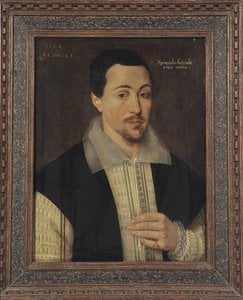
작가 약력

Cornelis van Dalem: Pioneer of Landscape Art and Humanistic Vision

Cornelis van Dalem (1528-1573) stands as a pivotal figure in the burgeoning landscape art movement of the Low Countries during the mid-16th century. Though biographical details remain scarce, his impact on artistic innovation is undeniable—he fundamentally reshaped how artists depicted nature and imbued their canvases with humanist ideals that resonated deeply within the intellectual currents of his time. Born in Antwerp, Belgium, van Dalem descended from a noble lineage tracing back to Tholen, where his father operated as a cloth merchant and held a prominent position within the city’s chamber of rhetoric. This upbringing fostered a rich cultural environment, nurturing both Cornelis and his elder brother Lodewijk with a humanist education that would profoundly influence their artistic pursuits.
  • Early Training & Guild Membership: Van Dalem began his artistic apprenticeship around 1543 under the tutelage of Jan Adriaensens, establishing himself as a master in the guild of Saint Luke in 1556. Notably, he married Beatrix van Liedekercke that same year, securing a comfortable financial position despite eschewing painting as his primary occupation—he remained a merchant throughout his life.
  • A Merchant Painter: Unlike many artists of his era who relied on patronage for sustenance, Cornelis van Dalem possessed considerable wealth and pursued art as a personal passion. This independence allowed him to invest in ambitious projects like the decoration of his Antwerp residence—a breathtaking spectacle featuring a monumental façade adorned with sculptures depicting Minerva and Mercury alongside busts of Durer and Jan van Eyck, proclaiming their artistic prestige.

Innovative Landscape Painting Techniques & Influences

Van Dalem distinguished himself from his contemporaries by introducing groundbreaking approaches to landscape painting. Rejecting the prevailing Mannerist style’s stylized representations, he embraced a more realistic depiction of natural forms—particularly rock formations—drawing inspiration from humanist scholarship and philosophical contemplation. He meticulously observed geological features, capturing their textures and contours with remarkable accuracy. This dedication to observation was further bolstered by his exposure to the artistic ideas circulating in Europe during this period, notably those championed by Albrecht Dürer and Jan van Eyck, whose mastery of detail served as a guiding influence. His work embodies a humanist spirit—a belief in human reason and understanding—that sought to elevate art beyond mere decorative embellishment.
  • Notable Works: Among his most celebrated compositions are ‘The Dawn of Civilization,’ a monumental panoramic landscape showcasing the grandeur of the natural world, and numerous depictions of dramatic rockscapes—particularly those found in Belgium and France. These paintings exemplify van Dalem’s commitment to capturing the sublime beauty of nature.
  • Collaboration & Mentorship: He collaborated closely with Bartholomeus Spranger, a fellow artist who served as his pupil from 1560 to 1564. While Spranger's training focused on artistic craftsmanship—keeping his studio tidy—van Dalem instilled in him a broader appreciation for the intellectual dimensions of art.

Legacy & Historical Significance

Cornelis van Dalem’s contribution to landscape art transcends mere stylistic innovation; he fundamentally altered the artistic agenda. By prioritizing observation and incorporating humanist principles into his depictions of nature, he ushered in a new era of artistic expression—one that prioritized intellectual engagement alongside aesthetic beauty. His work stands as a testament to the transformative power of humanism during the Renaissance and cemented Antwerp’s reputation as a center for artistic experimentation. He remains an artist whose legacy continues to inspire admiration for his pioneering vision and unparalleled skill.
Cornelis van Dalem

Cornelis van Dalem

1528 - 1573 , Belgium

주요 정보

  • Artistic Movement Or Style: Northern Mannerism
  • Artists Or Movements Influenced By This Artist: ['Bartholomeus Spranger']
  • Artists Who Influenced This Artist: ['Jan Adriaenssens']
  • Date Of Birth: Antwerp, Belgium (1528)
  • Date Of Death: 1573
  • Full Name: Cornelis van Dalem
  • Nationality: Flemish
  • Notable Artworks:
    • The Dawn of Civilization
    • Landscape with Shepherd
  • Place Of Birth: Antwerp




































