

작가가 직접 캔버스에 손으로 그린 유화 작품으로, 원하는 크기와 액자로 맞춤 제작해 드립니다. ( 프린트 판매로 전환 디지털 이미지 판매 채널로 전환)





























작품의 원본 비율을 그대로 유지하는 프리셋 사이즈 중에서 선택해 보세요.

액자나 벽면 크기에 맞춰 필요한 가로와 세로 길이를 입력해 주세요. 본 작품은 수작업으로 제작되므로, 요청하신 비율에 따라 작가가 그림의 가장자리를 조금 더 넓게 그리거나 일부를 조정하여 작업할 수 있습니다. 작업 시작 전, 최종 확인을 위해 디지털 목업 이미지를 보내드립니다. 이 페이지에 표시된 이미지는 실제 결과물과 다를 수 있으며, 오직 목업 이미지만이 정확한 결과물을 보여줍니다.
Self-Portrait
복제본 규격
In this evocative Self-Portrait, dated around 1745, the master of Dutch Rococo, Cornelis Troost, invites us into a private, lived-in moment that transcends the mere recording of a face. The scene unfolds within an intimate interior, where the boundaries between the artist's physical reality and his creative psyche seem to blur. We find the subject seated amidst a carefully composed domestic landscape, holding a brush and a bowl—tools that serve as both humble implements of his craft and symbols of his lifelong dedication to the visual arts. The presence of a secondary figure, partially obscured in the background, adds a layer of narrative mystery, suggesting that while the act of painting is solitary, the artist exists within a wider, breathing social fabric.
The composition is a masterclass in spatial arrangement and depth. Through the strategic placement of chairs, a dining table, and delicate vases, Troost creates a sense of three-dimensional reality that draws the viewer into the room. The light plays across the surfaces of the furniture and the textures of the fabrics, highlighting the meticulous attention to detail that defined his era. This is not merely a portrait; it is an architectural study of a moment in time, where every object—from the painting hanging on the wall to the subtle shadows cast by the chairs—contributes to a sense of quiet, contemplative grandeur.
Technically, this work exemplifies the refined elegance of the 18th-century Dutch style. Troost utilizes a palette that balances warmth with sophisticated tonal shifts, allowing the textures of wood, ceramic, and cloth to emerge with palpable realism. His brushwork, while precise enough to capture the fine details of the room's decor, possesses a fluid grace that prevents the scene from feeling static. There is a rhythmic quality to the way he directs the eye across the canvas, moving from the central figure toward the periphery where the vases and background elements reside.
For the discerning collector or interior designer, this piece offers an unparalleled opportunity to introduce a sense of historical prestige and intellectual depth into a space. The painting functions as a focal point that commands attention through its narrative complexity rather than through sheer scale. It embodies a sophisticated aesthetic that complements both classical settings and contemporary, minimalist interiors, providing a "window" into the Golden Age's twilight—a period marked by a transition from the heavy drama of the Baroque to the light, airy, and decorative sensibilities of the Rococo.
Beyond its visual splendor, the Self-Portrait carries profound emotional weight. There is an inherent vulnerability in Troost's depiction of himself; by showing himself amidst the tools of his trade, he strips away the persona of the celebrated professional to reveal the laborer behind the art. The bowl and brush are emblems of the creative process—the nourishment required for the mind and the instrument required for the hand. This creates a deeply relatable connection with the viewer, evoking themes of identity, purpose, and the quiet dignity of craftsmanship.
To possess a reproduction of this work is to bring more than just decor into a home; it is to invite a conversation about the nature of creativity itself. The painting serves as an enduring reminder of the beauty found in the mundane and the profound depth that can be discovered through careful observation. It is a piece designed for those who appreciate art that tells a story, offering a timeless elegance that enriches any collection with its soulful, historical resonance.
코르넬리스 트루스트의 "Self-Portrait"의 복제본을 미리 보려면 작품의 미리보기 페이지를 열어주세요.
"Self-Portrait"의 원작은 Mauritshuis에 소장되어 있으며, 이 작품은 퍼블릭 도메인 - 저작권 보호 기간이 만료되었습니다 상태입니다.
"Self-Portrait"은(는) 1745년에 Oil 기법으로 제작되었습니다.

18세기 암스테르담의 생동감 넘치는 태피스트리와 떼어낼 수 없는 이름, 코르넬리스 트루스트는 단순한 화가를 넘어 그 시대의 예리한 관찰자이자 능숙한 기록가였습니다. 1696년 10월 8일 네덜란드 공화국의 심장부인 암스테르담에서 태어난 트루스트의 여정은 배우를 꿈꾸던 인물에서 명성 높은 화가로 변모하는 과정 속에서 예술적 열정과 개인적 변화가 흥미롭게 교차하는 지점을 보여줍니다. 처음에는 무대 위 연기자로 훈련받았지만, 그는 박수갈로 가득한 드라마 속이 아닌 그림의 세밀한 묘사와 미묘한 뉘앙스 속에서 진정한 소명을 발견했습니다. 그의 삶의 궤적은 의도적인 전환으로 점철되어 있는데, 이는 스포트라이트를 스스로 거부하고 붓놀림의 고요한 사색을 택함으로써 결국 네덜란드 로코코 장르 미술사에서 가장 중요한 인물 중 한 명이 되게 했습니다.
트루스트의 예술 교육은 그의 학생이 가진 타고난 재능을 알아본 존경받는 초상화가 아놀드 부넨(Arnold Boonen)의 지도 아래 시작되었습니다. 이 견습 과정은 결정적인 토대를 제공했지만, 진정으로 그의 독특한 스타일을 보여준 것은 트루스트의 초기 드로잉들이었습니다. 특히 1708년 작으로 추정되는 작품에는 사보이의 유진 왕자와 악명 높은 책방 주인 겸 스파이 루이 레나르가 호화로운 암스테르담의 매춘부 속에서 비밀스러운 활동을 벌이는 모습이 담겨 있습니다. 재치와 음모로 가득 찬 이 작품은 그가 나중에 얼마나 매혹적인 기술로 탐구하게 될 주제들, 즉 사회생활의 복잡성, 쾌락의 유혹, 그리고 품위라는 외피 아래 숨겨진 흐름들을 암시하고 있었습니다.
경력이 성숙해짐에 따라 트루스트는 가벼움과 세련됨 사이의 섬세한 균형을 포착하는 거장이 되었습니다. 그의 작품은 의심할 여지 없이 당시의 지배적인 예술적 경향에 영향을 받았습니다. 런던 사교계를 풍자적으로 묘란한 것으로 유명한 윌리엄 호가스의 극적인 구도부터, 와토, 부셰, 라크레와 같은 프랑스 거장들이 보여준 우아한 품격까지 그 영향은 광범위했습니다. 이러한 네덜란드적 사실주의와 프랑스 로코코 특유의 우아함의 결합은 그로 하여금 지역적 현실에 깊이 뿌리를 두면서도 극도로 정교하게 다듬어진 작품들을 탄생시키게 했습니다.
그의 레퍼토리는 친밀한 초상화에서부터 웅장한 집단 구성에 이르기까지 놀라울 정도로 다양했습니다. 예술계에 남긴 그의 가장 영속적인 업적 중 일부는 다음과 같습니다:
코르넬리스 트루스트의 진정한 가치는 과도기의 시대를 기록한 시각적 역사가로서의 능력에 있습니다. 위대한 네덜란드 황금시대 거장들의 시대는 지나갔지만, 트루스트는 로코코 운동의 경쾌함과 장식적인 매력을 불어넣음으로써 네덜란드의 전통에 새로운 생명력을 부여했습니다. 그의 그림은 단순히 얼굴을 묘사하는 데 그치지 않고, 한 시대의 정신—실크의 바스락거림, 촛불의 일렁임, 그리고 암스테르담 상류층의 미묘한 사회적 계층 구조를 포착해냅니다.
재치 있는 초상화와 매혹적인 장르 장면을 통해 트루스트는 관람객들을 계속해서 매료시키는 유산을 남겼습니다. 그는 17세기의 무겁고 극적인 전통과 18세기의 가볍고 우아한 미학 사이의 간극을 메운 핵심적인 인물로 남아 있으며, 그가 사랑했던 암스테르담의 사회적 뉘앙스가 앞으로도 세대를 넘어 물감 속에 영원히 보존될 수 있도록 보장했습니다.

1696 - 1750 , 네덜란드

Immerse yourself in the splendor of Rococo art. Discover the era of elegance through masterworks by Watteau and Fragonard. Explore themes of romance, aristocratic leisure, and gilded ornamentation in this definitive guide to 18th-century French opulence.
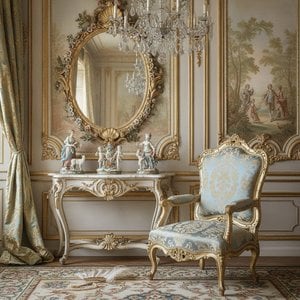
Discover the exquisite allure of Rococo art. Explore a curated guide to 18th-century French masterpieces, from Watteau to Fragonard, and learn how hand-painted oil reproductions can bring timeless elegance and luxury to your sophisticated interior design collection.

 실제 크기로 보기
 보내기
보내기 공유하기
공유하기
 상세 보기
상세 보기 가이드 보기

 이미지 다운로드
 유사 작품 더 보기
 X-레이
X-레이 슬라이드 쇼 보기
 통계 정보
통계 정보


 상세 보기
상세 보기









 유리 옵션은 110cm 미만 크기에서만 선택 가능합니다.


