
x


작품의 원본 비율을 유지하는 미리 설정된 크기 중에서 선택하세요.

특정 프레임이나 공간에 맞도록 직접 크기를 입력할 수 있습니다. 선택하신 크기가 원본 이미지의 비율과 일치하지 않는 경우, 작품을 자르거나 추가적인 손으로 그린 요소를 사용하여 그림을 확장합니다. 제작 시작 전 승인을 위해 디지털 목업을 보내드립니다.
화면 미리 보기는 실제 자르기 또는 확장을 반영하지 않습니다. 최종 구성은 목업을 통해서만 정확하게 확인하실 수 있습니다.
맞춤 크기 제작도 가능하지만, 원본 비율을 유지하기 위해 사전 정의된 목록에서 크기를 선택하시는 것을 권장합니다.

Fruit and Flowers
복제본 크기

Cornelis Jansz de Heem stands as one of the most celebrated figures within the Dutch Golden Age artistic landscape, a painter whose brush possessed the rare ability to breathe life into the inanimate. Born in Leiden, Netherlands, in 1631, he emerged from a family deeply rooted in the artistic traditions of his era. His father, Jan Gerritsz de Heem, was a painter himself, providing Cornelis with an early immersion in the nuances of light and form. This foundational upbringing allowed him to develop a profound sensitivity to the natural world, a trait that would eventually define his legacy as a master of the still life genre.
The trajectory of De Heem’s career was shaped by the vibrant intellectual and artistic currents of the 17th century. His formative years were marked by exposure to the monumental techniques of masters like Rembrandt and Rubens. From the Dutch tradition, he absorbed the dramatic mastery of chiaroscuro—the powerful interplay between deep shadow and brilliant light—which lent his compositions a sense of theatrical depth. Simultaneously, the influence of the Flemish master Rubens infused his work with a certain fleshy vitality and an exuberant approach to color. By the mid-1650s, his relocation to Amsterdam placed him at the heart of a thriving artistic community, where he refined his craft alongside luminaries such as Jacob van Ruysdael and Willem van Delft.
De Heem’s artistic output is characterized by an obsessive dedication to detail and a breathtaking sensitivity to color. Unlike many of his contemporaries who sought fame through grand historical narratives or aristocratic portraits, De Heem found profound meaning in the quiet arrangement of objects. His canvases often feature meticulously rendered flowers, succulent fruits, delicate shells, and intricate musical instruments. However, these were far more than mere decorative exercises; they were deeply imbued with the symbolic language of his time.
Many of his works serve as meditations on the vanitas theme—a genre designed to remind the viewer of the transience of life and the inevitability of death. Through the subtle depiction of a wilting petal, a bruised piece of fruit, or an empty glass, De Heem explored the concept of "emptiness" and the fleeting nature of earthly beauty. In masterpieces such as his Vanitas Still-Life with Musical Instruments, he weaves together symbols of human achievement and sensory pleasure with poignant reminders of mortality, creating a captivating exploration of the human condition that resonates far beyond the 17th century.
The technical brilliance of Cornelis de Heem lies in his ability to manipulate oil paint to achieve unparalleled textures and luminosity. His method involved the painstaking layering of thin glazes upon thinly applied paint, a process that allowed light to penetrate the surface and reflect back, creating a glowing, internal radiance. This technique enabled him to capture the specific tactile qualities of his subjects: the wet sheen on a ripe grape, the hard exoskeleton of a lobster, or the velvety softness of a rose petal.
His compositions are marvels of balance and drama, often utilizing a Baroque sensibility to guide the viewer's eye through a complex arrangement of objects. Whether presenting an opulent display in Still Life with Grapes, Peaches and a Bohemian Glass Goblet or focusing on the striking contrast of a single creature in Still Life with Lobster, De Heem maintained a rigorous control over light and shadow. His historical significance remains undiminished; he did not merely document the abundance of the Dutch Golden Age, but elevated the still life to a high art form capable of expressing the most profound philosophical truths through the simple beauty of the natural world.

1631 - 1695 , Netherlands

Explore the profound beauty of fruit arrangement masterpieces. From Dutch Golden Age opulence to Baroque chiaroscuro, discover the art history, symbolism, and timeless elegance of classical still life paintings for the discerning collector.
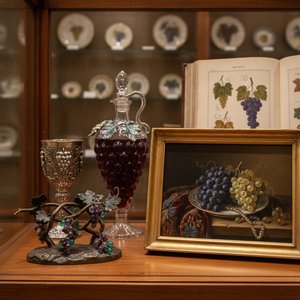
Embark on a visual journey through the world's most exquisite grape-themed masterpieces. Discover the technical brilliance of Baroque masters and learn how to curate timeless, hand-painted oil reproductions for your luxury collection with WahooArt.com.

Discover the profound beauty of fruit still life paintings. Explore the rich symbolism, Baroque mastery, and timeless allure of nature's bounty through an art-historical lens, perfect for collectors and enthusiasts of classical fine art.


최신 미술 뉴스, 특별 혜택 및 인테리어 아이디어를 가장 먼저 만나보세요.
프로젝트에 대해 알려주시면 저희 미술 전문가들이 맞춤형 아트 제안 3가지를 전달해 드립니다.
당신만을 위한 맞춤형 옵션 3가지를 무료로 추천해 드립니다!


 미리보기
미리보기
 프린트 구매
 공유하기
공유하기 공유하기
공유하기
 상세 정보
상세 정보

 다운로드
다운로드
 유사 작품
유사 작품 X-레이
X-레이 슬라이드 쇼
 더 보기
더 보기






































 유리 옵션은 110cm 미만 크기에서만 선택 가능합니다.


