


빠른 제작과 다양한 마감 옵션을 제공하는 박물관 품질의 지클레이 또는 캔버스 프린트. ( 손으로 그린 그림 구매 이미지 구매)





























작품의 원본 비율을 유지하는 미리 설정된 크기 중에서 선택하세요.

특정 프레임이나 공간에 맞춰 직접 치수를 입력하실 수 있습니다. 선택하신 사이즈가 원본 이미지의 비율과 일치하지 않을 경우, 작품을 크롭(자르기)하거나 이미지를 대칭 또는 단색 채우기로 확장하여 제작합니다. 제작 시작 전, 최종 확인을 위해 디지털 목업이 전송됩니다.
화면상의 미리보기는 실제 크롭이나 확장 상태를 반영하지 않으므로, 최종 구도는 오직 목업을 통해서만 정확하게 확인하실 수 있습니다.
맞춤 사이즈 제작도 가능하지만, 원본 비율을 유지하기 위해서는 사전 정의된 목록에서 치수를 선택하시는 것을 권장합니다.

Arriving at Montegeron
복제본 크기
Claude Monet's "Arriving at Montegeron," painted in 1876, isn’t merely a landscape; it’s a carefully constructed distillation of light, color, and fleeting experience – the very heart of Impressionism. This work transcends a simple depiction of a train station to become a poignant meditation on progress, nature's embrace, and the artist’s relentless pursuit of capturing the ephemeral beauty of the world around him. The painting immediately draws the eye with its vibrant palette dominated by warm ochres, reds, and browns, punctuated by the delicate pinks and yellows of the roses that cascade across the left side of the canvas. These aren't meticulously rendered botanical studies; instead, they’re bursts of color designed to evoke a feeling – a sense of romanticism and gentle abundance.
Monet masterfully employs loose brushstrokes, characteristic of his Impressionist style, creating an almost vibrating surface. The train itself, a symbol often associated with industrial advancement, is rendered as a hazy, indistinct form against the backdrop of rolling hills and foliage. Notice how he doesn’t attempt to define its edges; instead, it becomes part of the atmospheric haze, blending seamlessly into the landscape. This deliberate ambiguity invites the viewer to contemplate the relationship between human innovation and the natural world – are they in harmony or at odds? The composition is subtly asymmetrical, with the roses anchoring the left side and the railway tracks diagonally cutting across the right, creating a dynamic tension that keeps the eye moving throughout the scene.
“Arriving at Montegeron” was painted during a pivotal period in Monet’s artistic development. He had recently embraced *plein air* painting – working outdoors directly from nature—a revolutionary approach that allowed him to capture the ever-changing qualities of light and atmosphere with unprecedented accuracy. This particular scene, located near his home in Montegeron, Normandy, reflects this dedication to observing and recording the immediate visual experience. The slightly flattened perspective, a hallmark of Impressionism, further emphasizes the painting’s focus on capturing a specific moment in time rather than creating a realistic representation.
Technically, Monet utilized oil paints on canvas, layering them with delicate brushwork to achieve his desired effects. The visible texture of the paint itself contributes to the sense of movement and vibration that permeates the work. The use of complementary colors – such as the juxtaposition of red roses against the green foliage – intensifies their vibrancy and creates a visually stimulating experience for the viewer. It’s important to note that Monet was deeply interested in how light interacts with color, and he meticulously studied the effects of sunlight on different surfaces throughout the day, documenting his observations through countless paintings.
Beyond its purely visual appeal, “Arriving at Montegeron” is rich in symbolic meaning. The train, a symbol of progress and modernity, represents the rapid changes occurring in France during the late 19th century. However, Monet doesn’t glorify this advancement; instead, he presents it as an element integrated into the natural landscape, suggesting a complex relationship between humanity and nature. The roses, traditionally associated with beauty, romance, and passion, add another layer of emotional depth to the scene. They serve as a reminder of the enduring power of nature's beauty amidst the relentless march of progress.
Ultimately, “Arriving at Montegeron” is a deeply contemplative work that invites viewers to pause and reflect on their own relationship with the world around them. It’s a testament to Monet’s extraordinary ability to capture not just what he saw but also how he *felt* – a profound appreciation for the fleeting beauty of nature and the transformative power of light.
For more information on this captivating artwork, you can visit Artchive or explore Claude Monet’s biography on Wikipedia. You can also delve into the life and work of his son, Jean Monet, whose early life was deeply intertwined with his father's artistic journey.

인상주의라는 단어와 함께 떠오르는 이름, 클로드 모네는 단순한 풍경화가가 아니었습니다. 그는 덧없이 흘러가는 순간들을 기록하고, 빛과 색채로 시를 읊조리는 예술가였습니다. 1840년 11월 14일 파리에서 태어난 모네는 다섯 살의 어린 나이에 가족과 함께 노르망디의 로베르에 정착하면서 그의 삶은 예상치 못한 방향으로 흘러갔습니다. 아버지로부터 상업적인 경력을 권유받았지만, 젊은 클로드의 타고난 예술적 재능은 곧 드러나기 시작했습니다. 그는 지역에서 판매하는 숯 연필 캐리커처를 통해 자신의 기술과 기업가 정신을 동시에 증명했습니다. 하지만 Eugène Boudin과의 만남은 그의 예술 여정 전체를 정의할 운명이었습니다. 부댕은 모네에게 그림 그리는 방법을 가르치는 것 이상으로, 자연 앞에서 직접 – 즉 앙 플레어 기법으로 – 그림을 그려야 한다는 혁신적인 아이디어를 심어주었습니다.
모네의 정식 미술 교육은 파리에서 시작되었으며, 잠시 아카데미 스위스에 다녔고 이후 샤를 글레르에게 사사했습니다. 이곳에서 그는 오귀스트 르누아르와 같은 동료 예술가들과 깊은 우정을 쌓았는데, 이는 전통적인 학파 회화의 제약으로부터 벗어나고자 하는 공유된 예술적 좌절감과 열망에 기반한 것이었습니다. 그의 초기 작품들은 기술적으로 능숙했지만, 곧 그의 스타일을 특징지을 독특한 개성이 부족했습니다. 이후 격변의 시기가 찾아왔습니다. 프로이센-프랑스 전쟁으로 인해 모네는 런던에서 피난해야 했고, 그곳에서 J.M.W. 터너와 같은 영국의 풍경화가들의 작품에 몰두하며 대기 효과와 혁신적인 색상 사용법을 흡수했습니다.
프랑스로 돌아온 모네는 싹트고 있는 예술적 반항의 중심 인물이 되었습니다. 살롱의 보수적인 기준에 불만을 품은 그는 다른 뜻이 같은 예술가들과 힘을 합쳐 독립 전시회를 조직했습니다. 1874년 전시회는 모네뿐만 아니라 미술계 전체에게 있어 중요한 전환점이 되었습니다. 바로 이 자리에서 그의 작품 “인상, 해돋이” (Impression, soleil levant)가 처음 공개되었고, 여기서 유래한 비판적인 용어 "인상주의"가 탄생했습니다. 하지만 이 명칭은 곧 예술 운동의 상징으로 자리 잡았으며, 정확한 묘사보다는 장면의 주관적인 *인상*을 포착하려는 노력을 나타내는 표지가 되었습니다.
모네의 대표적인 스타일이 이 시기에 꽃피기 시작했습니다. 느슨하고 눈에 띄는 붓놀림, 색 옆에 나란히 배치된 생생하고 종종 혼합되지 않은 색상 ( “분할 기법”으로 알려진 기술) 그리고 빛의 일시적인 특성을 포착하는 데 대한 확고한 집중이 특징입니다. 그는 앙 플레어 기법을 끊임없이 추구하며, 변화하는 조건이 장면을 바꾸기 전에 빠르게 자신의 즉각적인 인식을 기록했습니다. 이것은 단순히 자신이 *보는* 것을 묘사하는 것이 아니라, 그가 그것에 반응하여 *느끼는* 방식을 표현하는 것 – 예술적 관습으로부터의 급진적인 전환이었습니다.
1883년 모네는 파리 북서쪽 귀베르니에 정착하여 집과 정원을 건설했는데, 이는 그의 안식처이자 영감의 가장 큰 원천이 되었습니다. 그는 이 부동산을 화려한 낙원으로 변모시켰으며, 이국적인 꽃, 우울한 버드나무, 그리고 가장 유명하게는 일본 다리가 놓인 연못으로 꾸몄습니다. 이것은 단순한 장식적인 정원이 아니라, 모네가 빛의 효과를 물, 잎, 반사 현상에 대해 통제된 조건에서 연구할 수 있는 살아있는 실험실이었습니다.
그의 삶의 마지막 수십 년은 거의 연못의 수련화를 그리는 데 전적으로 바쳤습니다. 그는 거대한 캔버스를 통해 연못 표면을 끊임없이 변화하는 색상과 빛의 태피스트리로 표현하는 기념비적인 수련 시리즈 (Nymphéas)를 시작했습니다. 이것들은 단순한 꽃 그림이 아니라, 관람객을 고요함과 사색의 세계에 몰입시키는 몰입형 경험이었습니다. 이러한 작품의 규모는 숨막힐 정도로 전통 회화의 경계를 넓히고 추상 표현주의를 예견합니다.
클로드 모네의 예술사적 영향력은 헤아릴 수 없을 정도입니다. 그는 인상주의의 창시자일 뿐만 아니라, 예술가들이 주변 세계를 인식하고 표현하는 방식을 근본적으로 변화시켰습니다. 주관적인 경험에 대한 강조, 앙 플레어 기법의 포용, 혁신적인 기술은 현대 미술이 추상화와 비표현적 형태 탐구를 할 수 있는 길을 열었습니다.
모네는 그의 시대의 선구적인 예술가임에도 불구하고 생전에 상당한 상업적 성공을 거두었습니다. 그의 작품은 전 세계 박물관 전시회를 통해 계속해서 경외심과 감탄을 불러일으키며 서양 미술에서 가장 중요한 인물 중 한 명으로서의 지위를 확고히 하고 있습니다. 오르세 미술관, 마모탕 모네 미술관 등 저명한 기관에 그의 걸작 컬렉션이 소장되어 있어 그의 비전이 세대를 거쳐 계속해서 세계를 밝힐 수 있도록 보장합니다.

1840 - 1926 , 프랑스
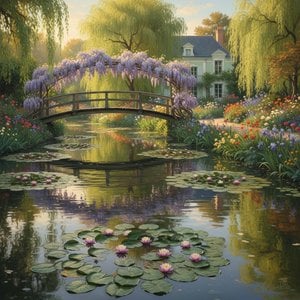
Embark on a visual journey through Claude Monet's Giverny. Discover the enchanting light, vibrant colors, and breathtaking landscapes of his legendary gardens through an expert exploration of Impressionist mastery and timeless beauty.


 미리보기
미리보기
 공유하기
공유하기 공유하기
공유하기
 상세 정보
상세 정보

 다운로드
다운로드
 유사 작품
유사 작품 X-레이
X-레이 슬라이드 쇼

 더 보기
더 보기









 유리 옵션은 110cm 미만 크기에서만 선택 가능합니다.


