

 WatercolorWallArtNaive Illustration
 1910Modern
 54.0 x 75.0 cm
 Ben Uri Gallery and Museum
이 페이지에 표시된 작품은 저작권법의 보호를 받으며, 이에 따라 동일한 복제품을 제작하거나 판매하는 것은 법으로 금지되어 있습니다. 이러한 권리 보호는 다음과 같은 국제 협약에 따라 시행됩니다. 베른 협약 또한 다음에서 명시하는 법률을 포함한 국내법에 의해 보호됩니다. 미국 저작권법 제17조.
이 방식은 저작권 보호를 받는 예술 작품을 복제하거나 그대로 재현하는 것이 아니기에 저작권 규정을 완벽히 준수합니다. 대신, 이는 창의적인 재해석의 과정을 거칩니다. 즉, 원작에서 영감을 받되 원작과 동일하지 않은 새로운 회화 작품을 의미합니다.
빠른 제작과 다양한 마감 옵션을 선택할 수 있는 박물관 수준의 지클레이 및 캔버스 프린트. ( 수작업 채색 복제본 주문하기 디지털 이미지 판매 채널로 전환)





























작품의 원본 비율을 그대로 유지하는 프리셋 사이즈 중에서 선택해 보세요.

액자나 벽면 크기에 맞춰 필요한 가로와 세로 길이를 입력해 주세요. 프린트는 원본 이미지보다 크게 제작할 수 없으며 오직 자르는 것만 가능하므로, 비율이 다른 사이즈를 선택할 경우 이미지의 일부가 잘려 나갈 수 있습니다. 인쇄 작업에 들어가기 전, 최종 확인을 위해 디지털 목업을 보내드립니다. 이 페이지에 표시된 이미지는 실제 잘리는 영역을 나타내지 않으며, 오직 목업을 통해서만 정확한 확인이 가능합니다.
Attack
복제본 규격
In the evocative watercolor Attack, created in 1910, we are thrust into a whirlwind of movement and raw emotion. This piece serves as a breathtaking window into the early creative impulses of Clara Birnberg, capturing a moment of profound struggle that feels both ancient and immediate. The composition is a dense, swirling tapestry of nude figures locked in a desperate dance of combat. At the heart of this tumult, a powerful black horse anchors the foreground, its dark silhouette providing a striking contrast to the pale, ethereal washes of the background. The sheer density of the figures creates an overwhelming sense of claustrophobia and kinetic energy, pulling the viewer into the very center of the fray where every line and shape vibrates with the tension of conflict.
The technique employed by Birnberg is nothing short of masterful in its delicate simplicity. Utilizing the fluid, translucent nature of watercolor on paper, she achieves a soft, diffused atmosphere that lends the scene a dreamlike, almost mythic quality. The edges of the figures are not sharply defined but rather bleed into one another through skillful washes, suggesting that in the heat of battle, individual identities dissolve into a singular, collective experience of struggle. This painterly approach, characterized by loose and expressive lines, moves away from rigid realism toward a more symbolic, illustrative style. The palette—a sophisticated arrangement of pale yellows, creamy whites, and earthy browns—prevents the chaotic subject matter from becoming visually overwhelming, instead bathing the violence in a light that feels strangely divine or otherworldly.
Beyond the surface-level carnage, Attack invites a deeper, more spiritual interpretation. Hovering above the terrestrial struggle is a winged figure, perhaps an angel or a deity, whose presence transforms the scene from a mere historical skirmish into a cosmic event. This celestial observer introduces a layer of profound symbolism, suggesting themes of divine judgment, the inevitability of fate, or the watchful eye of providence amidst human suffering. The interplay between the heavy, grounded movement of the horses and warriors and the light, airy presence of the winged being creates a poignant tension between the mortal and the eternal. It is this duality—the grit of the earth meeting the grace of the heavens—that gives the artwork its enduring emotional resonance.
For the discerning collector or interior designer, this piece offers more than just visual intrigue; it provides a focal point of intense narrative depth. The artwork’s ability to command attention through its rhythmic composition and evocative color story makes it an ideal centerpiece for spaces that value intellectual stimulation and dramatic flair. Whether placed in a contemporary gallery setting or a classic study, Attack acts as a conversation starter, prompting reflections on the human condition, the nature of conflict, and the enduring presence of the sublime within our most turbulent moments.
Clara Birnberg의 "Attack"에 나타난 주제로는 battle scene, nude figures, divine intervention, conflict, winged figure, angelic, watercolor painting style, early 20th century art 등이 있습니다. 이들은 모여 작품의 소재를 요약해 보여줍니다.
Clara Birnberg의 "Attack"은(는) 작가의 Modern 시대 중 Naive Illustration 사조에 속합니다.
Clara Birnberg의 "Attack"은(는) 작품의 슬라이드쇼 페이지에서 슬라이드쇼로 감상하실 수 있습니다.

Born in Romania in 1892, Clara Birnberg’s artistic journey took her from the heart of Eastern Europe to the vibrant and evolving art scene of early 20th-century England. Initially known as Clara Weinstein, she later adopted the surname Winsten upon marrying fellow artist Stephen Winsten – a union that profoundly shaped both their creative lives and their shared commitment to pacifism. Her story is one of resilience, artistic exploration, and a deep engagement with social and political currents of her time.
Clara’s early life was marked by displacement and the echoes of persecution. Her family’s emigration from Romania in 1902, fleeing anti-Semitic violence, instilled within her a sensitivity to themes of identity, belonging, and the human condition. This formative experience would later inform much of her work, particularly her poignant portraits and symbolic illustrations. The Slade School of Fine Art between 1910 and 1912 proved pivotal, providing her with technical skills alongside exposure to influential figures like Isaac Rosenberg and David Bomberg – artists who formed the nucleus of the ‘Whitechapel Boys,’ a collective known for its radical approach to art and its engagement with social issues.
This association with the Whitechapel Boys was particularly significant. As the only female member, Clara navigated a predominantly male artistic environment, forging her own distinctive voice within a group grappling with questions of modernity, identity, and the complexities of post-Impressionism. Her work during this period reflected both the influence of her peers and her burgeoning individual style – characterized by bold colors, dynamic compositions, and a willingness to explore challenging subject matter.
Clara Winsten’s artistic output spanned painting, sculpture, and illustration. Her paintings often featured portraits—not merely likenesses but explorations of character and emotion—as well as evocative landscapes and symbolic compositions. She was particularly known for her watercolor works, employing a loose, expressive style that captured both the beauty and the turmoil of the world around her. Her sculptures, frequently commissioned by prominent figures like George Bernard Shaw, demonstrated a growing technical skill and an ability to imbue inanimate materials with life and meaning.
Among her most celebrated achievements is the bronze sculpture of George Bernard Shaw, created in 1946. This piece, reflecting Shaw’s intellectual stature and humanist values, stands as a testament to Winsten's skill and her deep understanding of her subject. Other notable works include her illustrations for Shaw’s *Buoyant Billions*, a satirical comedy that showcased her ability to capture the wit and charm of the playwright’s prose, and several portraits of prominent figures from British society.
Her work during World War I reflected her pacifist beliefs. She created powerful symbolic images exploring themes of conflict and its devastating consequences. The ‘Attack,’ a dynamic watercolor depicting battle and divine intervention, exemplifies this period's artistic concerns – a potent blend of realism and spiritual contemplation.
Clara Winsten’s association with the 'Whitechapel Boys' was more than just an artistic affiliation; it represented a shared cultural heritage and a commitment to social justice. The group, comprised largely of Jewish artists and poets living in East London, provided a space for creative exchange and intellectual debate—a vital counterpoint to the prevailing conservative attitudes of the time. Her background as a member of the Jewish community profoundly influenced her artistic perspective, informing her engagement with themes of identity, displacement, and the complexities of belonging.
Her marriage to Stephen Winsten further solidified this connection, creating a collaborative partnership built on shared values and mutual respect. Together, they became active participants in Quaker humanistic circles, advocating for peace and social justice through their art and their lives. The couple’s commitment to pacifism was deeply intertwined with their artistic practice, shaping the themes and messages conveyed in their work.
Clara Birnberg (Winsten) left behind a significant body of work that continues to be studied and appreciated today. Her paintings and sculptures are held in various museums and collections across the United Kingdom, including the Stanley and Audrey Burton Art Gallery in Leeds and the Aurora Art Fund in Bucharest, Romania – reflecting her dual heritage and international artistic reach.
Her story serves as a reminder of the contributions made by women artists throughout history—often overlooked or marginalized—and highlights the enduring power of art to challenge conventions, express profound emotions, and promote social change. Clara Winsten’s legacy endures not only through her artistic creations but also through her unwavering commitment to humanism and her pioneering spirit as a female artist in a male-dominated field.

1892 - 1989 , Romania
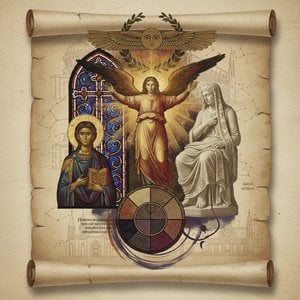
Explore the profound impact of spiritual themes in fine art. From Renaissance iconography to Baroque drama, discover how sacred symbolism and divine visions have shaped art history through a scholarly and reflective lens.

Discover the ethereal beauty of watercolor through an art-historical lens. Master the delicate balance of light, fluidity, and pigment to capture the luminous essence of nature, inspired by the legendary techniques of the Old Masters and Impressionist greats.
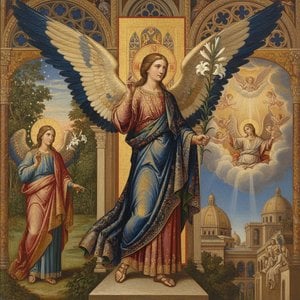
Explore the profound beauty of Angel Gabriel in art history. From Renaissance masterpieces to Baroque splendor, our expert guide delves into the sacred iconography and timeless techniques of these divine messengers for the discerning art enthusiast.

Embark on a visual journey through history's most powerful war paintings. Explore the dramatic mastery of Romanticism and Realism through expert analysis of epic battle scenes on canvas, celebrating the profound emotion and artistry behind art history's greatest military masterpieces.

Discover the ethereal beauty of premium watercolor reproductions and bespoke commissions at WahooArt. From museum-quality landscapes to custom AI-enhanced portraits, our master artists deliver unparalleled craftsmanship and white-glove service for discerning collectors worldwide.

 실제 크기로 보기
 보내기
보내기 공유하기
공유하기
 상세 보기
상세 보기 가이드 보기

 이미지 다운로드
 유사 작품 더 보기
 X-레이
X-레이 슬라이드 쇼 보기
 통계 정보
통계 정보 상세 보기
상세 보기









 유리 옵션은 110cm 미만 크기에서만 선택 가능합니다.


